



Vintage Hand Bell
A vintage hand bell is a practical signal in brass, bronze, or silver that carries centuries of domestic and public ritual into modern rooms.
Vintage Hand Bell
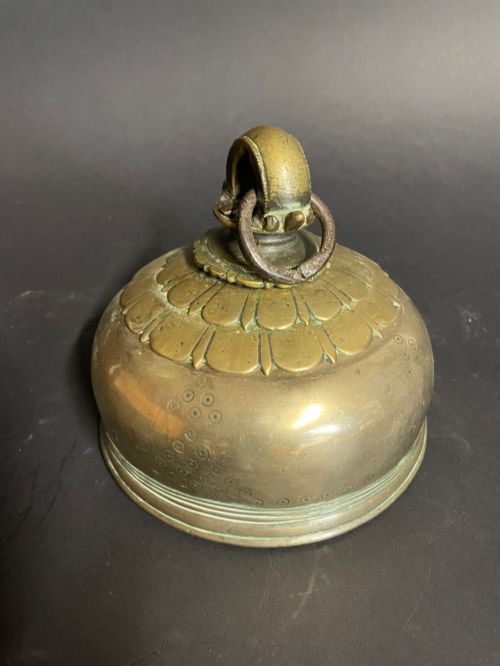
When you search for a vintage hand bell, you encounter functional signalling instruments spanning the 18th century, the Victorian era, and the Edwardian period. These objects encompass schoolmaster chimes, town cryer notices, temple instruments, and domestic table bells.
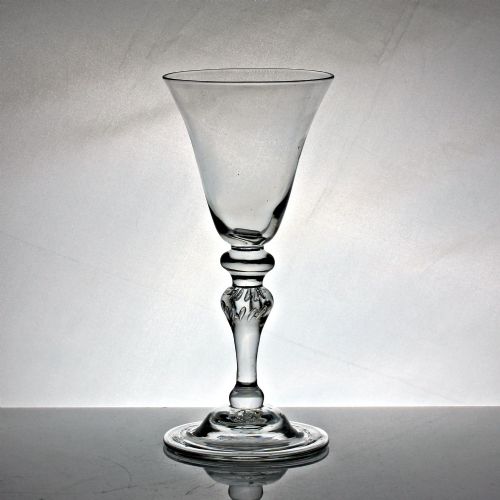
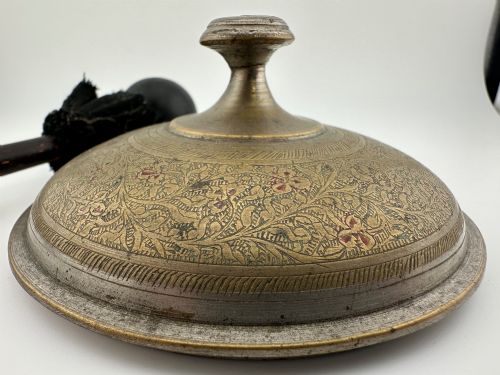
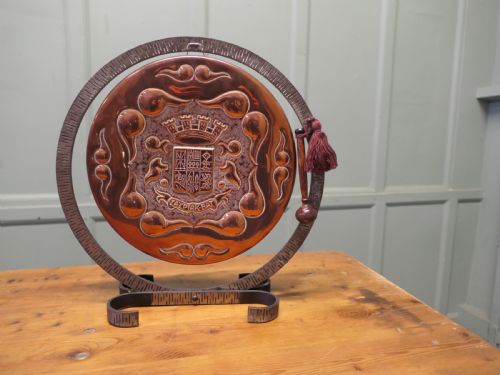
The material selection on this page ranges widely from cast brass and bronze to sterling silver, iron, and lead glass. Forms include simple cast metal ringers alongside more elaborate engraved brass gongs with wooden strikers.
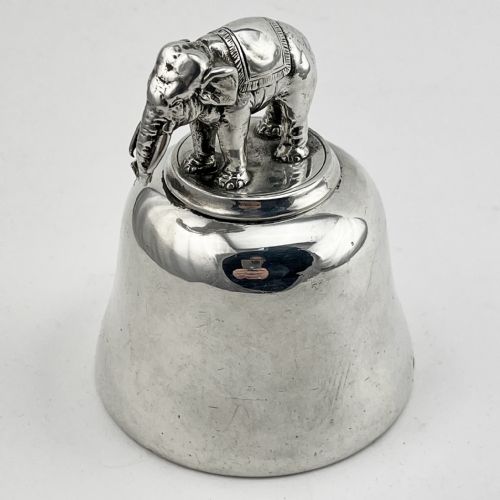
Stylistic influences reflect diverse origins, including Georgian, Anglo-Indian, Basque folk art, and Sino-Tibetan traditions. Buyers most frequently meet utilitarian brass and bronze school or town bells alongside decorative silver examples.
How they were made
Metals such as brass, bronze, copper, and iron are cast or hand-hammered to create the resonant body of the bell. Molten metal flows into moulds before being cooled, shaped, and fitted with an internal clapper or struck with an external wooden mallet.
Silver and glass pieces involve alternative working methods, utilising silversmithing techniques or glass-blowing and cutting practices. Engraving and gold leaf application frequently finish the metal surfaces, while wooden frames support suspended gongs.
Vintage Hand Bell Retail Price Guide 2026
Typical asking prices for vintage hand bell among the pieces listed under this phrase on Sellingantiques today, from the lower quarter to the upper quarter. They describe what is for sale here now, not the wider market.
The listings show items from the 18th century, Victorian period, and Edwardian era, constructed in brass, bronze, silver, and wood.
What varies in quality
The grade of an example depends on the purity and weight of the metal, which directly affects acoustic resonance and structural longevity. Heavy cast brass or substantial sterling silver provides a cleaner tone and greater durability than lighter, thinner metals.
Execution and detail separate standard utility items from finer decorative pieces, visible in the precision of engraved ornamentation and the integrity of joined wooden or metal frames.
The Vintage Hand Bell Glossary
- Clapper
- The internal tongue or ball suspended inside a bell that strikes the outer shell to produce sound. It swings freely when the handle is moved.
- Baluster
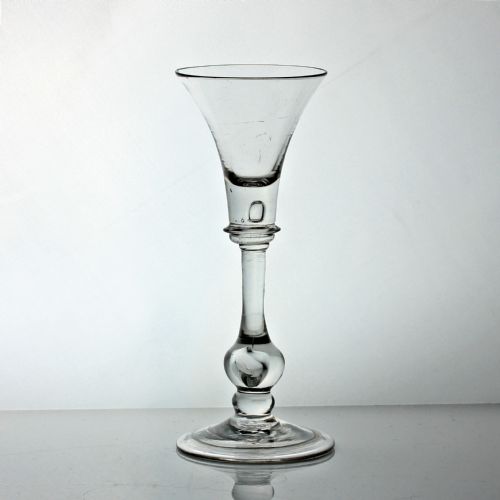
- A moulded column or stem with a swelling profile, commonly found on the stems of Georgian drinking vessels and related glassware.
- Cloche
- A bell-shaped glass cover traditionally used in gardens to protect plants or in dining to cover cheese dishes.
- Gong
- A percussion instrument consisting of a metallic disc or bowl struck with a mallet rather than rung with an internal clapper.
- Sterling silver
- An alloy containing 92.5 percent silver by weight, prized for its bright appearance and traditional use in high-status domestic silverware.
Vintage Hand Bell: Frequently Asked Questions
How do I clean a brass bell?
Maintenance depends on whether you wish to preserve the aged surface or restore a bright finish. Traditional brass responds well to gentle cleaning with non-abrasive cloths.
Avoid harsh chemical dips that strip away historical patina and diminish the visual character accumulated over decades of use.
What were hand bells used for?
These instruments served practical communication roles across households, institutions, and public squares. Schools used them to signal lessons, while town cryers gathered attention for announcements.
In domestic settings, smaller examples summoned servants or announced dinner service from the hall to the dining room.
How do I date a metal bell?
Dating relies on examining the manufacturing marks, casting seams, and stylistic indicators of the period. Georgian and Victorian examples exhibit specific handle turns and metal compositions.
Comparing the casting texture and wear patterns against documented examples from the same era helps narrow down the production decade.
Are silver bells purely decorative?
While many silver pieces served as decorative table ornaments, they remain fully functional instruments. Their metal composition delivers a distinct, clear tone when struck.
Silver examples were typically kept in formal reception rooms rather than utility spaces due to their precious material.