
Vintage Halo Dress Ring
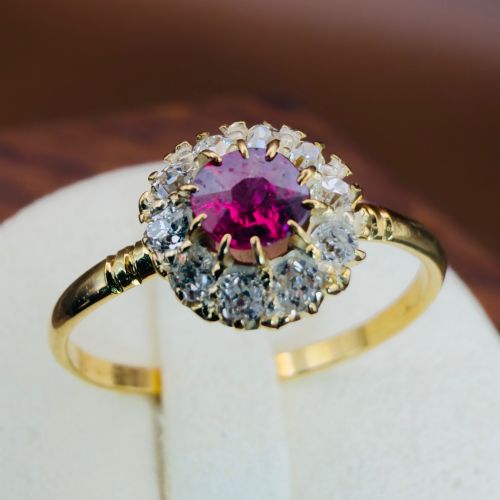
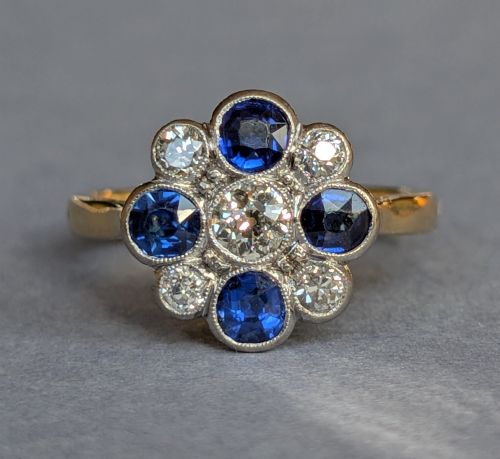
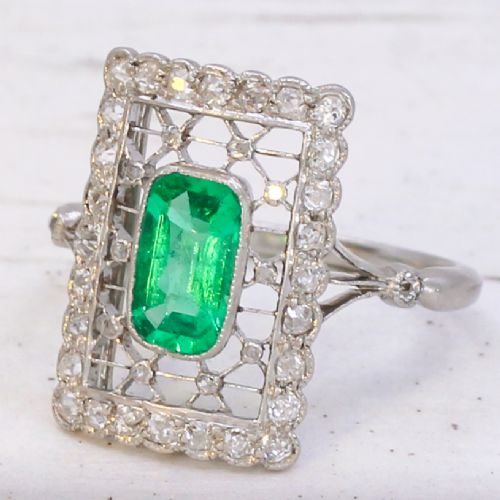
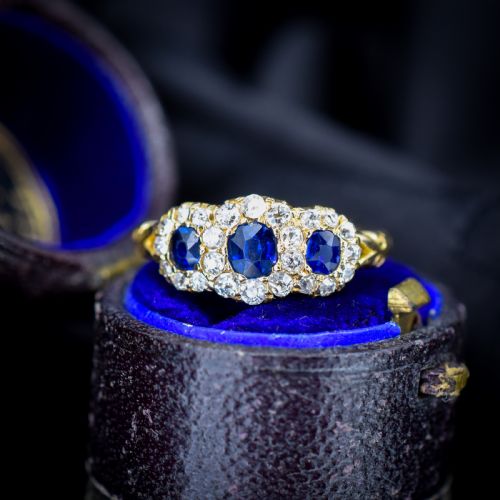
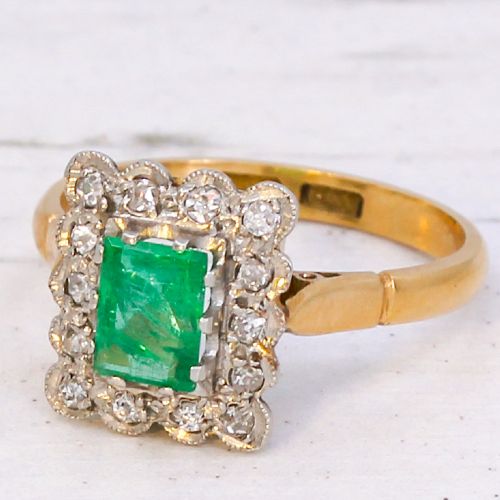
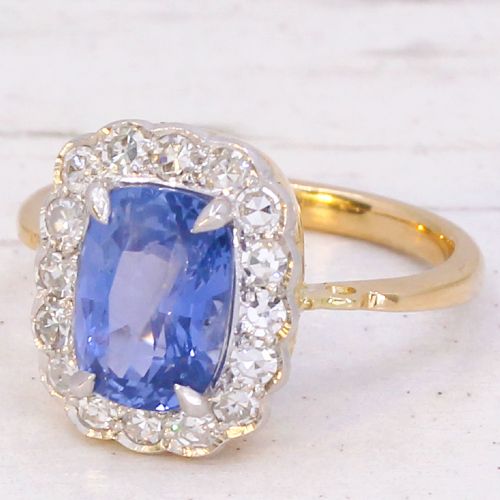
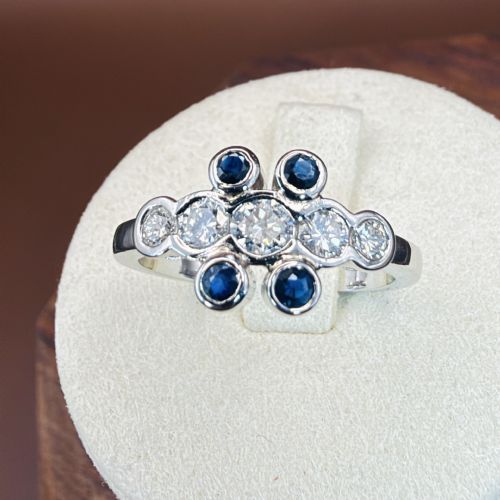
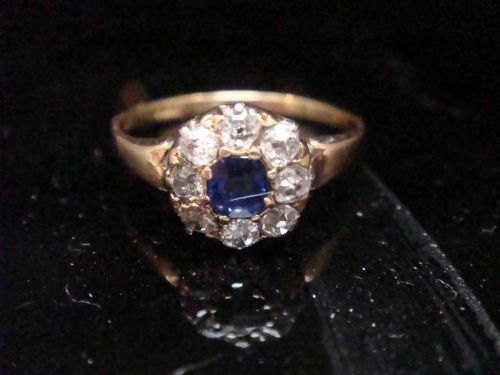
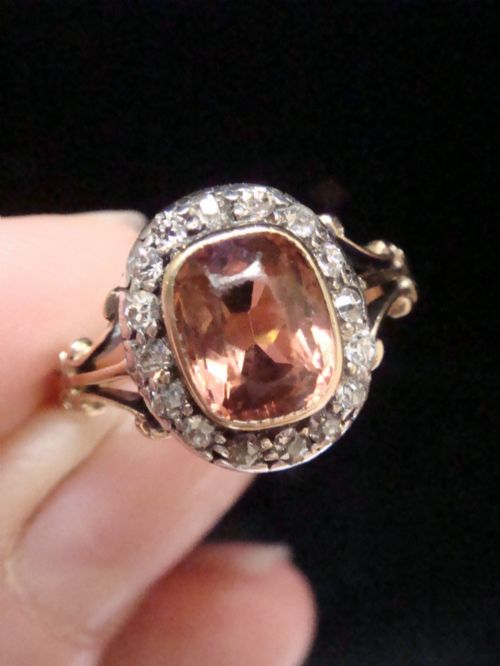
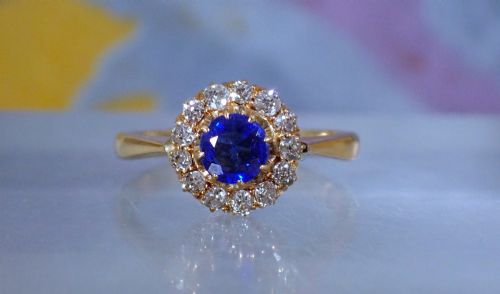
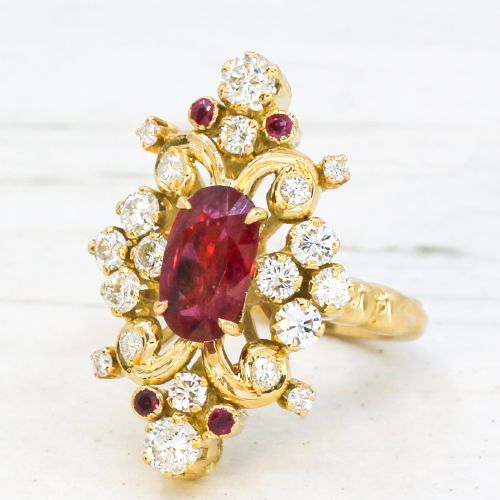
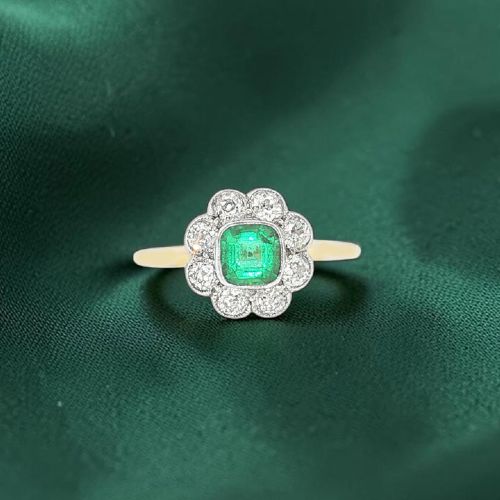
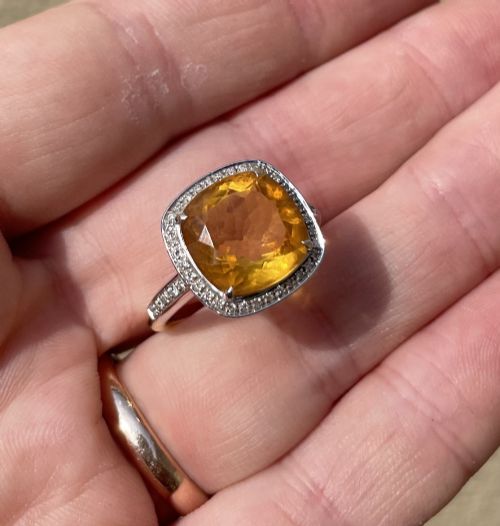
A vintage halo dress ring places a central gemstone encircled by smaller diamonds on the hand, bringing period character and colour.
Vintage Halo Dress Ring
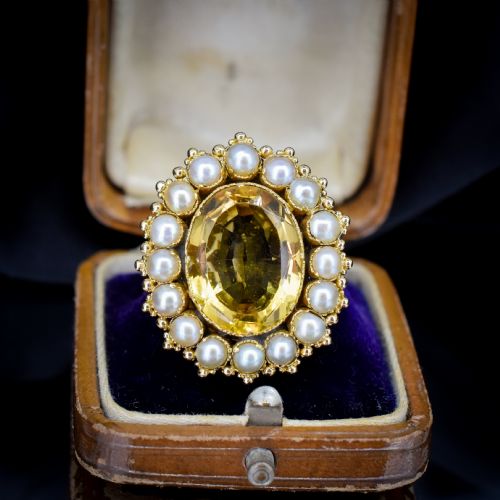
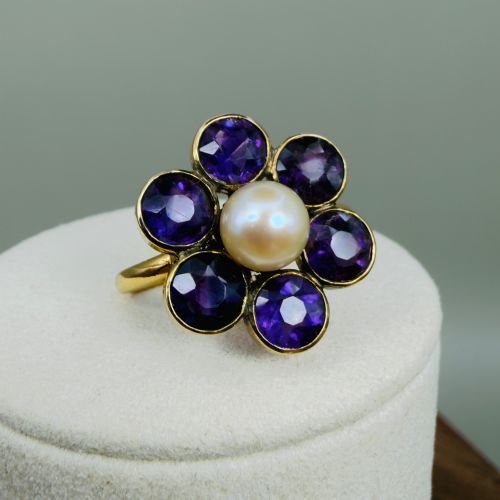
The layout typically takes a circular, oval, or floral cluster shape, designed to catch the light from multiple angles on the finger. Examples range from delicate platinum Art Deco creations to robust 18ct yellow gold Victorian and Edwardian settings.
Materials and construction
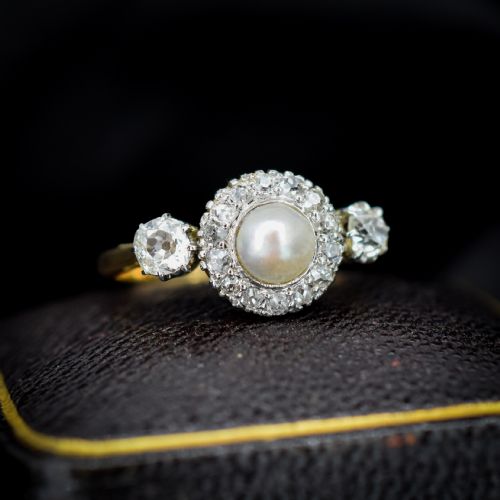
Goldsmiths utilised 18ct yellow gold, white gold, and platinum to mount stones, often pairing platinum tops with yellow gold shanks during the Edwardian period to emphasise the brilliance of old-cut diamonds. Settings rely on precise claw, bezel, or millegrain techniques to secure the central gem and its surrounding border.
Gemstones including sapphires, emeralds, rubies, and pearls are combined with diamonds shaped in old mine cuts, cushion cuts, or modern facets. The structural integrity depends on the careful hand-setting of each surrounding stone to maintain the geometry of the halo.
Some floral cluster rings manage to look like permanent spring gardens frozen in 18ct gold, ready to bloom on a finger.
Distinctions in quality
The calibre of the central gemstone dictates the standing of the piece, particularly regarding natural colour distribution, treatment status, and clarity within sapphires, rubies, and emeralds. Weight and origin, such as unheated stones or certified Colombian emeralds, separate standard examples from finer specimens.
The harmony of the surrounding diamond halo and the crispness of the metalwork, whether hand-carved millegrain or precise claw alignment, determine the overall execution. Well-balanced proportions between the central stone and the outer border indicate deliberate design by the maker.
Le Vian
The Vintage Halo Dress Ring Glossary
- Halo
- A setting style where a central gemstone is encircled by a border of smaller accent stones, typically diamonds. This arrangement maximises the visual impact and perceived size of the main gem.
- Cluster ring
- A ring design featuring multiple stones grouped closely together, often forming a floral or geometric pattern. They appear frequently across Victorian, Edwardian, and mid-century jewellery.
- Millegrain
- A decorative jewellery technique involving a line of tiny, raised metal beads along the edge of a setting. It adds a refined texture frequently seen on Edwardian and Art Deco pieces.
- Old cut diamond
- A diamond cut by hand before modern machinery, characterised by a smaller table, higher crown, and open culet. These stones project a softer, warmer glow under candlelight.
- Cabochon
- A gemstone shaped and polished with a smooth, rounded surface rather than faceted. This cut is often utilised for opals, sapphires, and emeralds to highlight internal depth.
Vintage Halo Dress Ring: Frequently Asked Questions
What is a halo dress ring?
A halo dress ring is a piece of jewellery featuring a primary gemstone framed by a ring of smaller accent stones. This layout enhances the brilliance and presence of the central gem.
Such rings were worn as decorative ornaments for social occasions across the Victorian, Edwardian, and mid-century periods. They continue to serve as distinctive statement pieces for everyday wear or collections.
How do I identify the period?
Period identification relies on observing the combination of precious metals, stone cuts, and mounting techniques. Edwardian pieces often pair platinum with yellow gold and feature millegrain detailing, while mid-century examples lean towards heavier gold settings.
Examining the cut of the diamonds also helps, as old mine and old European cuts point towards Victorian and Edwardian origins. Hallmarks stamped inside the shank provide official clues regarding the assay office and date of manufacture.
Can I wear mine daily?
Wearing these rings daily requires attention to the hardness of the central gemstone and the condition of the setting. Diamonds, sapphires, and rubies withstand regular wear well, whereas softer stones like opals or pearls need greater care.
Regular checks by a jeweller ensure that the claws holding the halo stones remain secure. Removing the ring during heavy manual tasks prevents unnecessary stress on the precious metalwork.
What stones are used?
The listings feature a variety of central gemstones including sapphires, emeralds, rubies, citrines, amethysts, aquamarines, and tourmalines. Diamonds are universally utilised for the surrounding halo border.
Pearls and opals also appear as primary feature stones in specific Victorian and Edwardian designs. Each material brings distinct colour variations and historical context to the ring.