



Vintage Hallway Umbrella Bucket
These vintage hallway umbrella bucket designs combine robust metal and timber construction to keep wet weather gear contained in traditional entrances.
Vintage Hallway Umbrella Bucket
A vintage hallway umbrella bucket or stick stand provides a practical vessel for damp walking sticks and umbrellas in a traditional entrance space. These pieces serve as functional hallway furniture originating from periods including the Victorian and Edwardian eras.
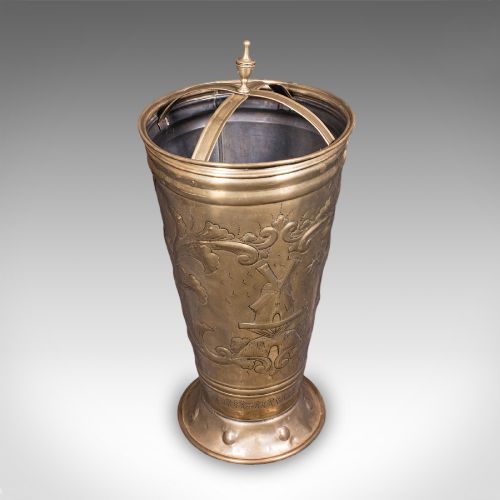
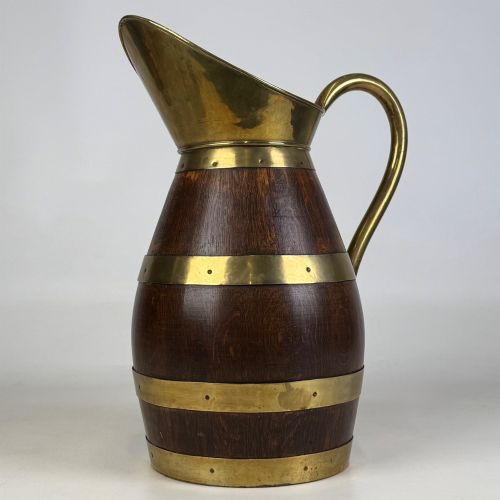
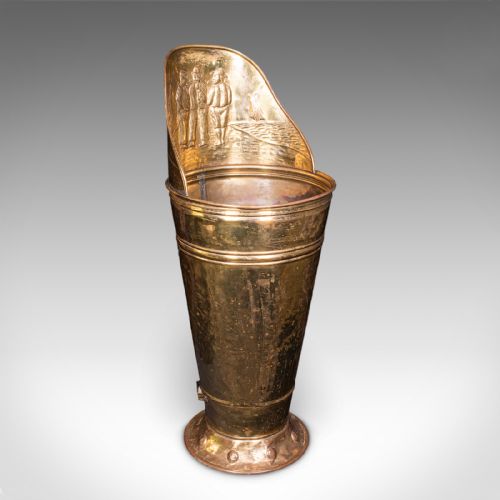
Buyers will most frequently encounter coopered oak barrels and brass or copper vessels among the current selection. These items often feature metal banding or umbrella loops designed to keep long items upright.
The objects span varied aesthetic traditions, taking forms from English country house styles to Dutch traditional work and military adaptations. Each piece reflects the domestic utility required by households from the nineteenth and early twentieth centuries.
How they were made
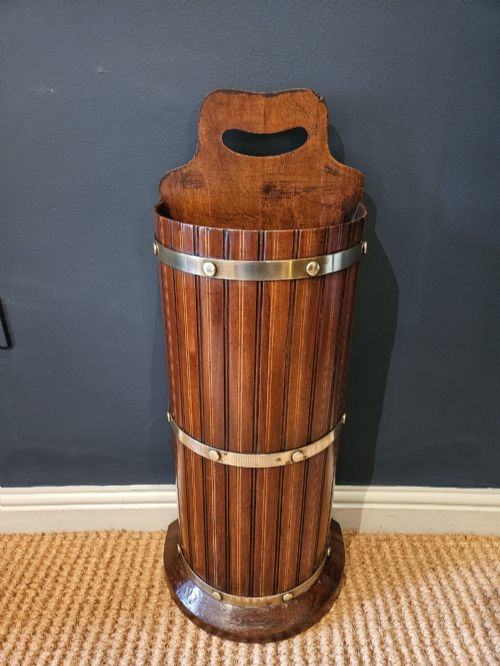
Construction relies heavily on the cooper's craft, utilising tight staves of oak bound together with metal hoops to form sturdy barrels and buckets. This traditional method allows wood to handle moisture without compromising the structural integrity of the container.
Metalworking forms the other primary technique, utilising beaten copper and sheet brass often secured with visible rivets. These metal bodies provide a waterproof base while introducing contrasting texture against timber frames.
Vintage Hallway Umbrella Bucket Retail Price Guide 2026
Typical asking prices for vintage hallway umbrella bucket among the pieces listed under this phrase on Sellingantiques today, from the lower quarter to the upper quarter. They describe what is for sale here now, not the wider market.
One remarkably sturdy option began life carrying artillery shells during the First World War before finding a quiet retirement holding umbrellas.
What varies in quality
Quality rests in the precision of the joinery and the integrity of the original materials, particularly the tightness of the barrel staves and the weight of the metal bindings. Superior examples display careful hand-coopering where the timber segments fit flush without excessive filler.
The choice of decorative hardware and the weight of the brass or copper components separate standard utility items from finer decorative pieces. Thicker gauge metals and robust banding indicate a higher standard of original production.
The Vintage Hallway Umbrella Bucket Glossary
- Coopered
- Method of construction using curved wooden staves bound together with metal hoops to form a watertight vessel like a barrel.
- Stick stand
- Furniture piece designed specifically to hold walking sticks, riding crops and umbrellas upright in a hallway.
- Umbrella loop
- Metal divider or ring fitted to the top of a stand to keep individual umbrellas separated and upright.
- Arts and Crafts
- Design movement emphasising handcraftsmanship and simple materials, visible in pieces utilising beaten copper.
Vintage Hallway Umbrella Bucket: Frequently Asked Questions
What are vintage umbrella buckets made of?
These hallway pieces are constructed primarily from oak, copper, and brass, utilising traditional materials selected for durability against moisture.
Secondary materials include iron and heavy leather, often found in military adaptations or reinforced barrels.
How do I care for a wood and brass stand?
Keep wooden staves conditioned with suitable wax and maintain dry conditions inside the metal liner to prevent corrosion.
Avoid placing wet items directly against untreated timber surfaces for extended periods.
Are these stands suitable for modern hallways?
The compact cylindrical footprints fit easily into narrow entranceways while providing practical storage for modern umbrellas.
Their traditional aesthetic adds period character to contemporary or rustic interior spaces.
How can I tell a coopered stand from other types?
Coopered stands feature vertical wooden staves held together by exterior metal bands, resembling miniature barrels or buckets.
This construction method differs from solid turned timber or fabricated metal sheet designs.