



Vintage Hall Lighting
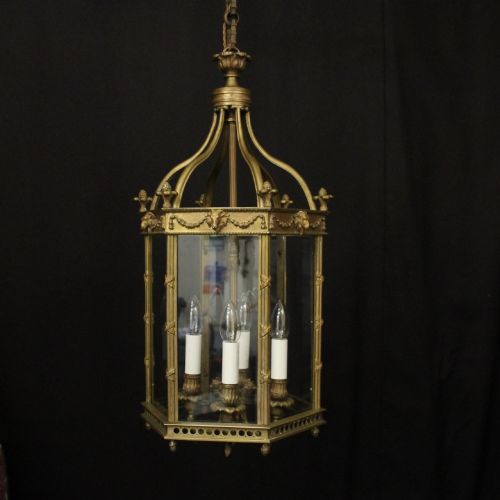
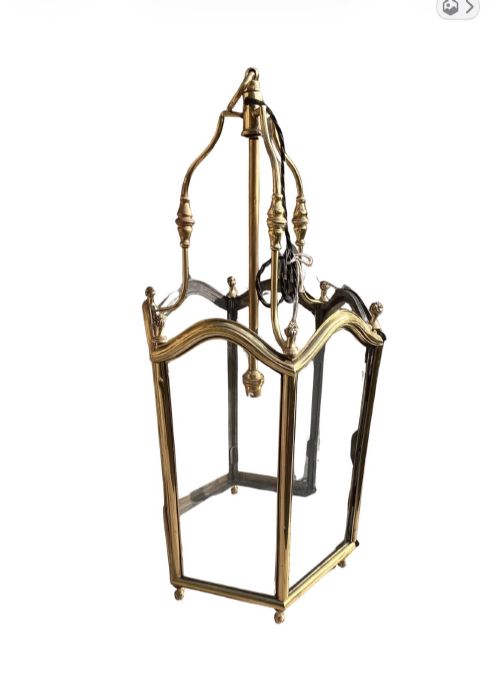
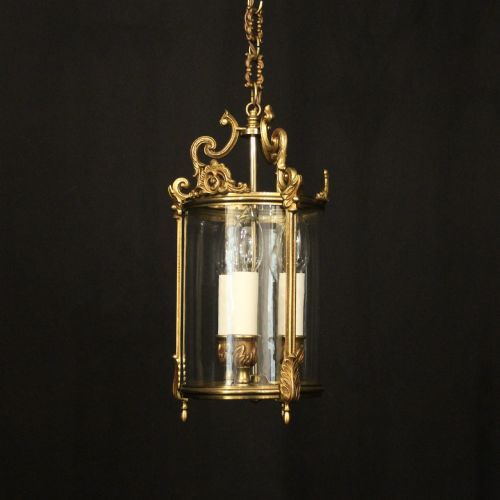
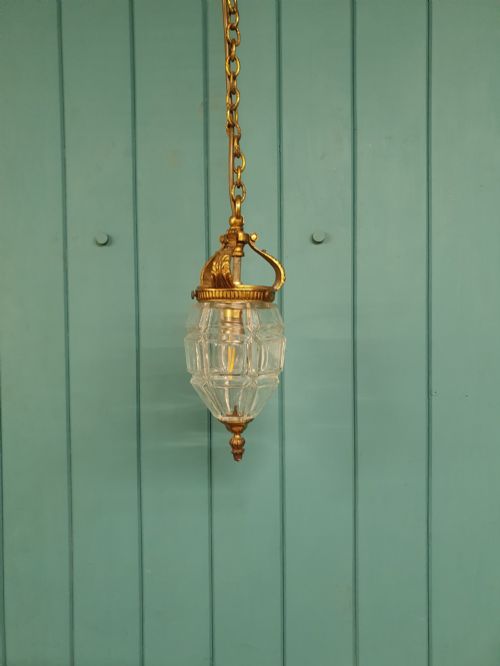
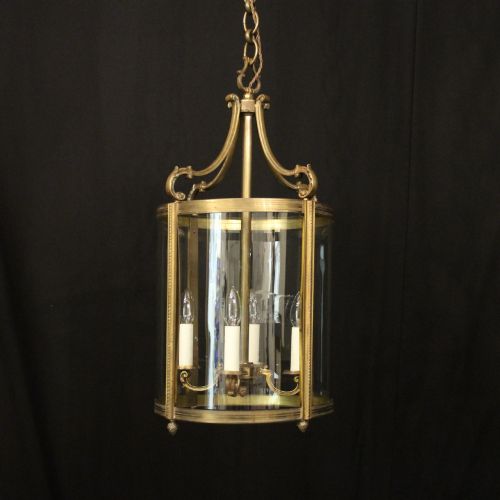
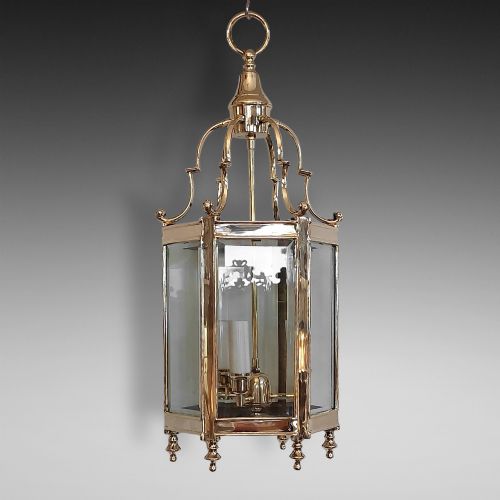
Vintage hall lighting illuminates entryways through period hanging lanterns, pendants, and chandeliers shaped from brass, bronze, and glass.
Vintage Hall Lighting
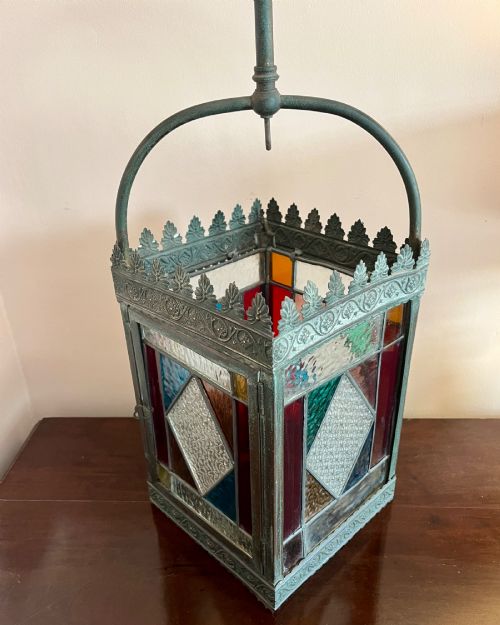
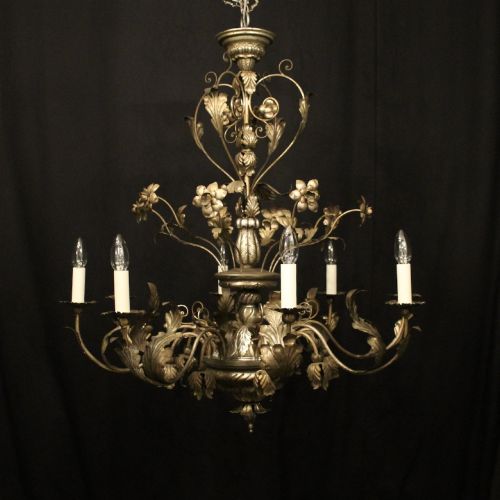
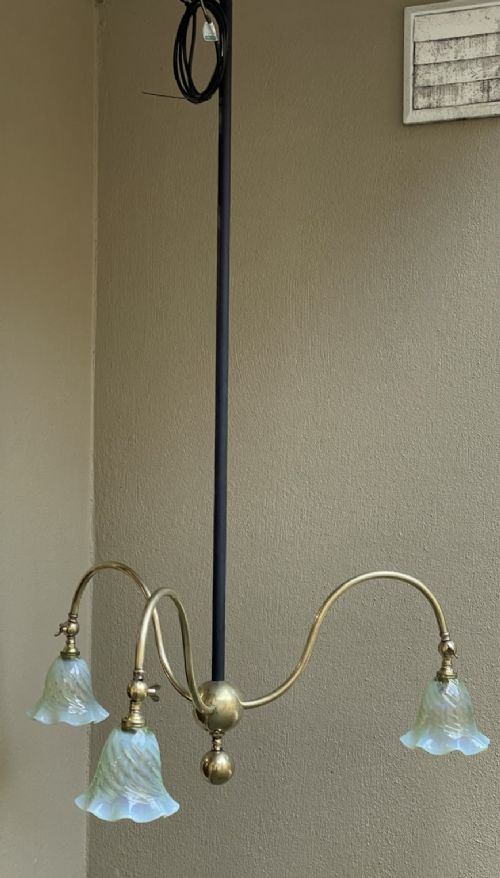
Vintage hall lighting comprises ceiling lights, hanging lanterns, and chandeliers designed to illuminate entrance spaces. The items span periods from the nineteenth century through the 1930s, encompassing Victorian, Edwardian, and Art Deco designs.
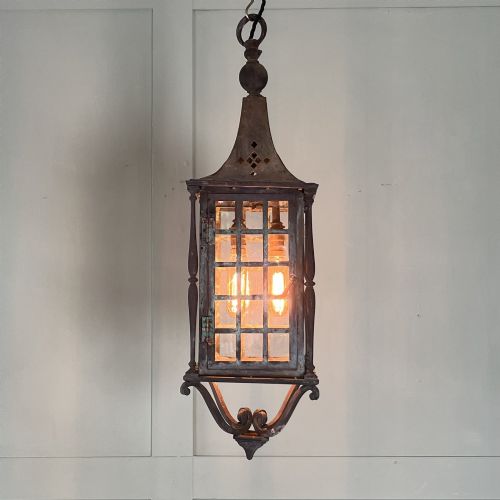
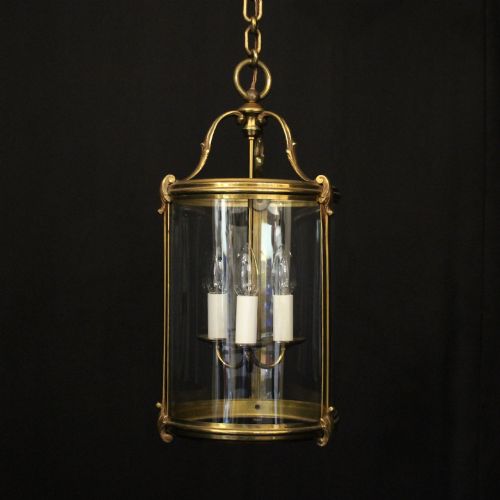
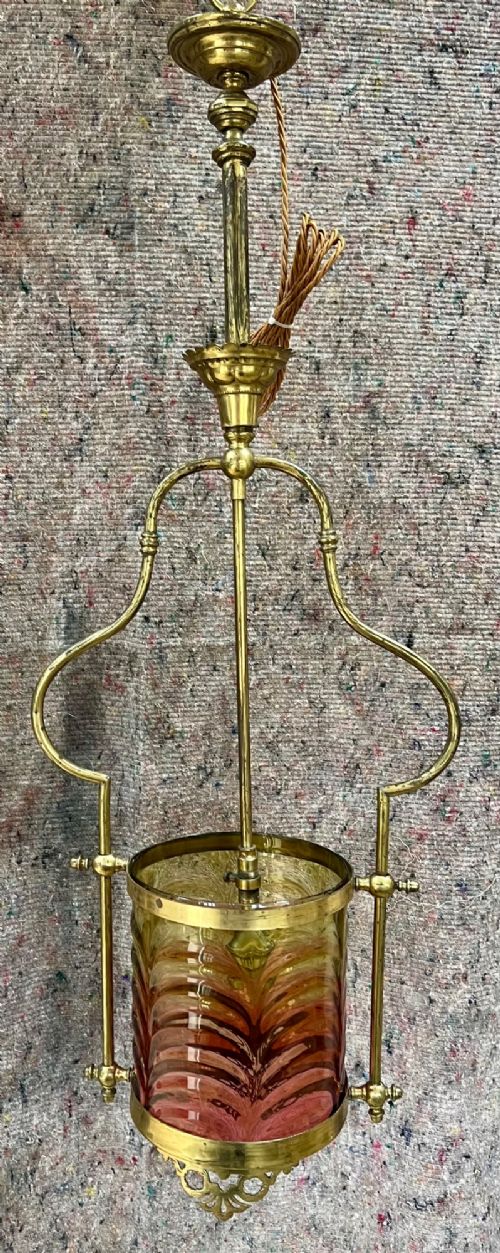
Buyers meet hanging lanterns most frequently on this page. These pieces often feature brass or gilded bronze frames fitted with glass panels or hand-blown bullseye panes.
The selection includes regional styles such as French chateau, Gothic revival, and Italian gilded chandeliers alongside standard British hall fittings.
Materials and construction
Metals form the structural framework of these fittings, utilising cast brass, gilded bronze, wrought iron, and silvered metals. Artisans joined these metallic elements to support glazed panels and internal lamp holders.
Glasswork defines the optical quality of the lanterns, incorporating moulded panes, etched glass, and leaded segments. Hand-blown bullseye glass appears in select pieces, introducing optical distortion and texture to the transmitted light.
Vintage Hall Lighting Retail Price Guide 2026
Typical asking prices for vintage hall lighting among the pieces listed under this phrase on Sellingantiques today, from the lower quarter to the upper quarter. They describe what is for sale here now, not the wider market.
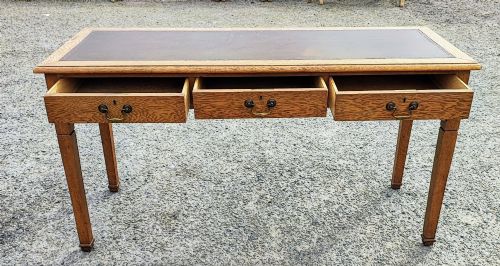
The listings span the nineteenth century, Edwardian era, and 1930s, featuring brass, oak, wrought iron, and gilded bronze.
Assessing quality and finish
Quality rests in the weight of the cast metal and the crispness of the chasing on bronze and brass frames. Superior examples display refined surface detail on mounts, rams' heads, and structural ribs rather than flat, uniform casting.
The treatment of the glass distinguishes standard production from finer work. Thick, bevelled, or etched panes secured properly within metal rebates indicate superior craftsmanship compared to thin, rattling replacement glass.
The Vintage Hall Lighting Glossary
- Hall lantern
- A ceiling-suspended light fixture enclosed in glass and metal, designed specifically for narrow entranceways and corridors.
- Gilded bronze
- Bronze metal treated with a thin layer of gold leaf or gilt finish, providing a durable and decorative surface.
- Bullseye glass
- Thick, circular panes of glass featuring a central pontil mark resulting from hand-blowing techniques, diffusing light unevenly.
- Convex glass
- Curved glass panels that project outward from the lantern frame, increasing the spread of illumination within the hall.
- Chasing
- The manual technique of refining cast metal surfaces using hammers and punches to sharpen decorative details.
Vintage Hall Lighting: Frequently Asked Questions
What styles define vintage hall lighting?
The category encompasses Victorian, Edwardian, Art Deco, and Gothic Revival aesthetics. French chateau and neoclassical influences also appear frequently among the hanging lanterns.
Craftsmen drew upon historical motifs when designing these fixtures, resulting in diverse architectural expressions suitable for period properties.
How were hanging lanterns originally used?
These fixtures hung from entrance hall ceilings to provide illumination for arriving visitors and residents. They cast light downwards and through glazed panels to illuminate staircases and corridors.
Many early examples utilised candles or gas before undergoing conversion to electricity during the twentieth century.
How do I clean brass lantern frames?
Dust metal frames gently with a soft, dry cloth to prevent the accumulation of grime. Avoid abrasive cleaners that strip historic patination from brass and bronze surfaces.
Glass panels can be removed carefully for washing with mild soapy water, provided the lead or metal came remains undisturbed.
Are these lights wired for modern use?
Many surviving fixtures have undergone electrical rewiring to meet modern safety standards. Buyers should inspect the internal wiring configuration upon arrival to confirm compatibility with current fittings.
Qualified electricians can adapt older lamp holders safely without altering the external antique appearance.