


Vintage Hall Ceiling Light
A vintage hall ceiling light brings immediate character and a warm focal point to an entranceway, combining practical illumination with period craftsmanship.
Vintage Hall Ceiling Light
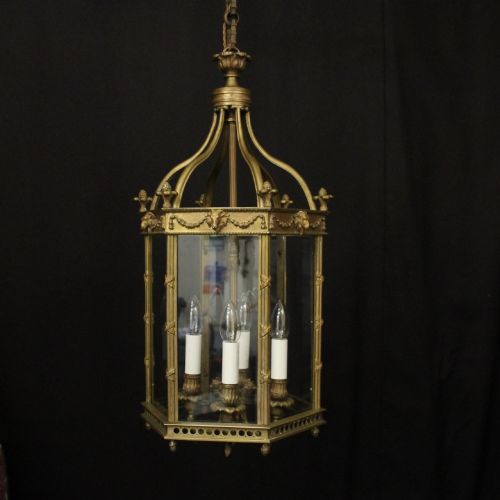
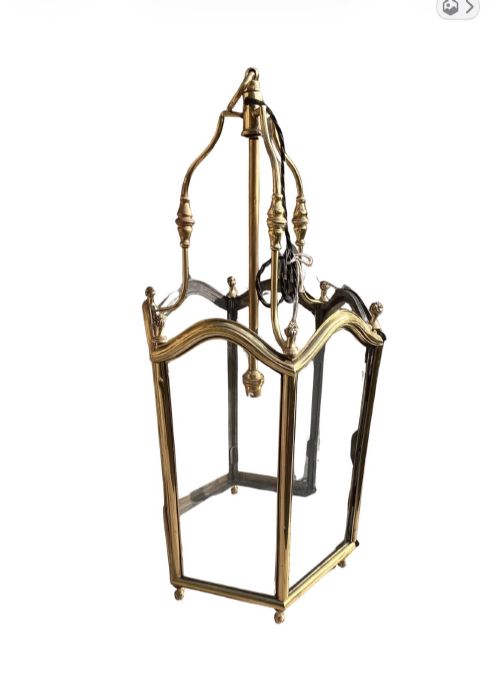
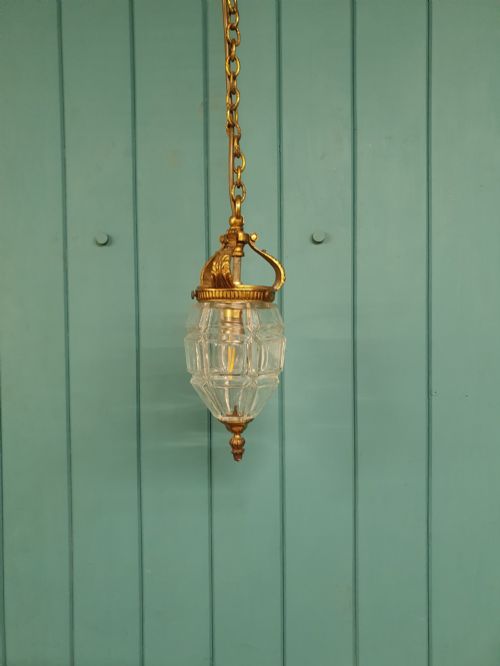
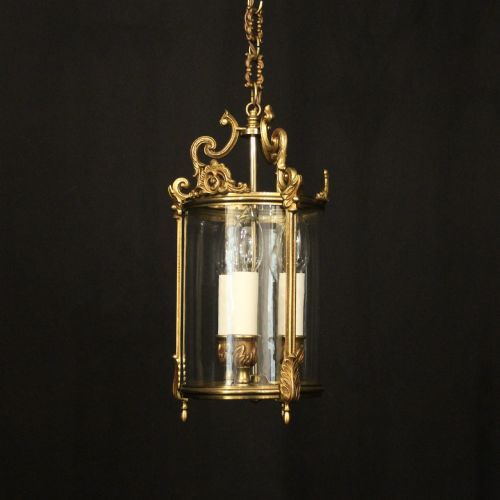
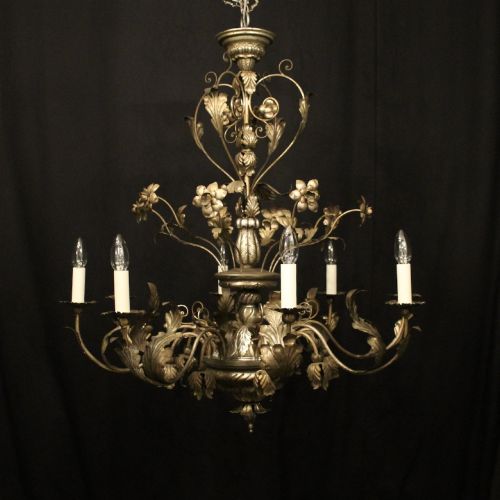
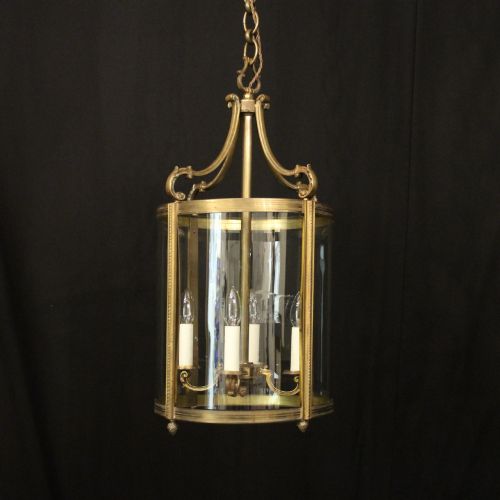
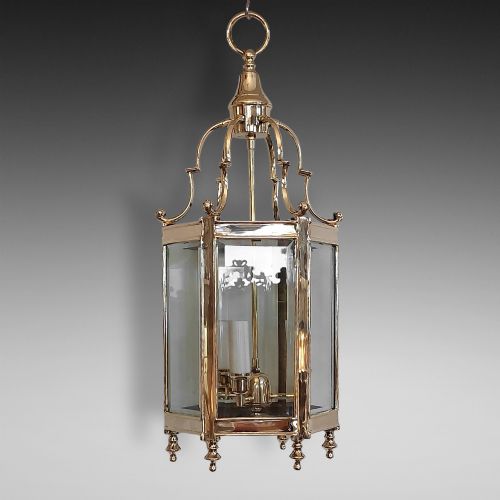
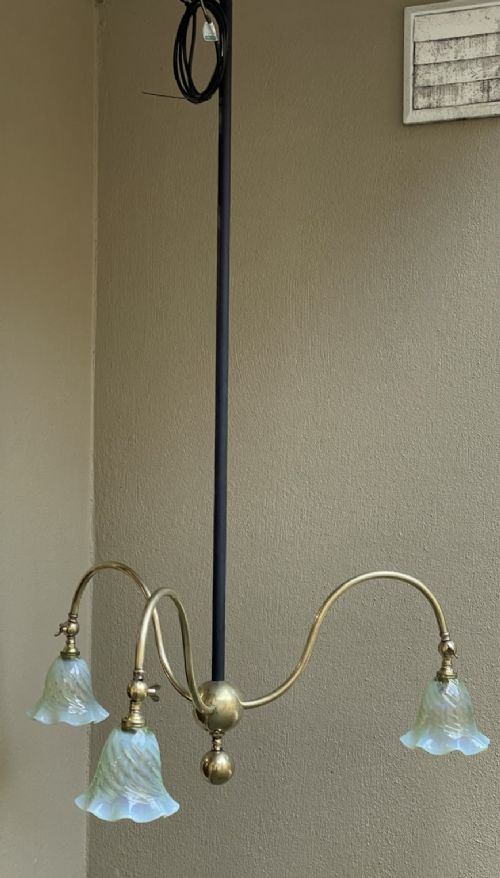
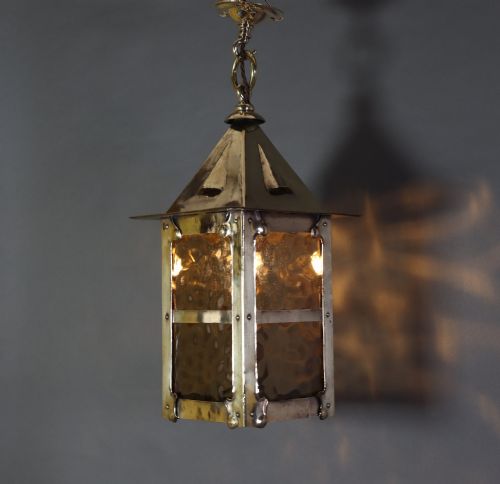
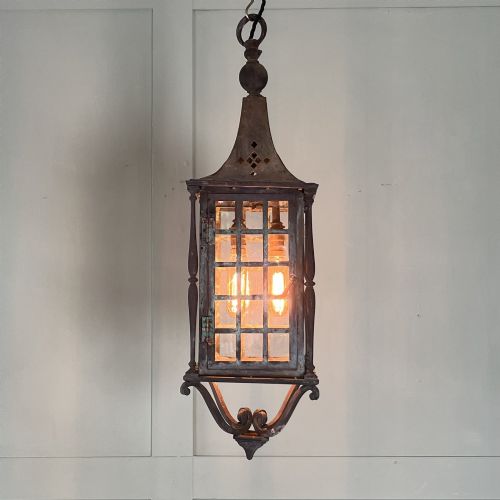
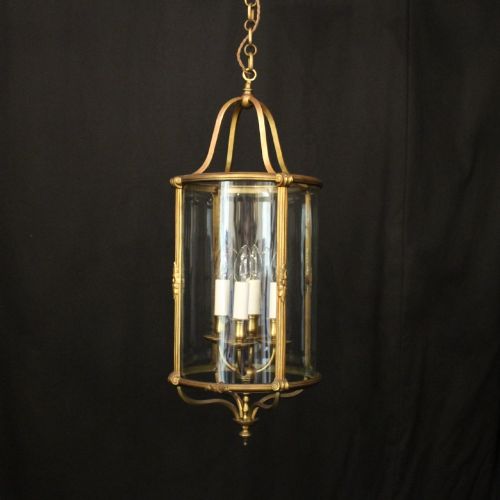
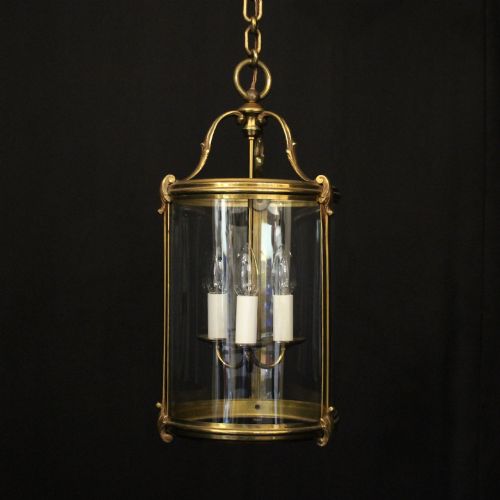
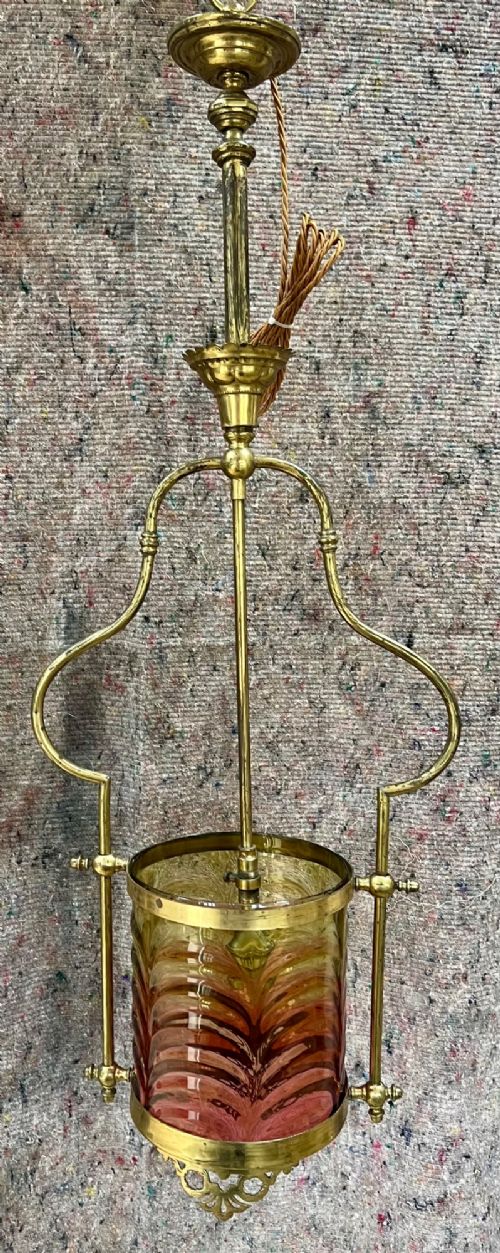
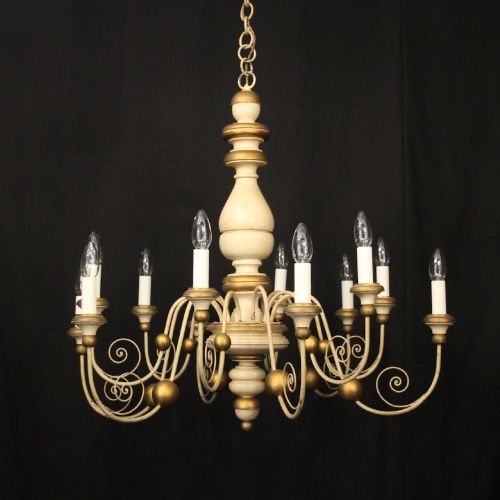
A vintage hall ceiling light serves as the principal overhead illumination for an entrance hallway, vestibule or landing. The pieces gathered here span from the nineteenth century through the Edwardian era and into the nineteen-thirties, encompassing hanging lanterns, pendants and chandeliers. You will frequently encounter brass and bronze frames fitted with glass panels, designed to hang closely or moderately from the ceiling.
How they were made
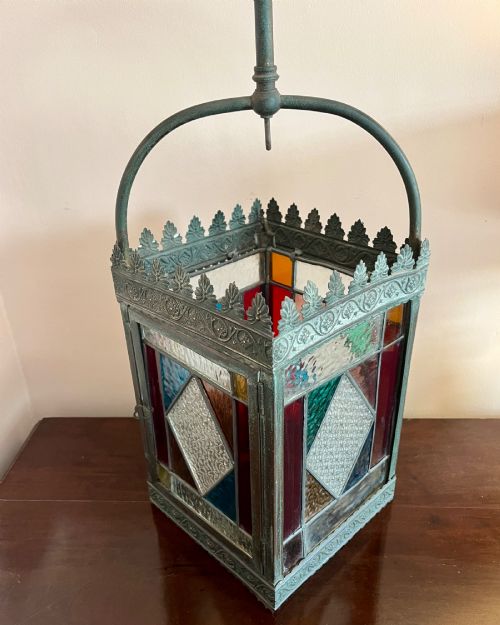
Metals form the structural backbone of these fixtures, with brass, bronze, gilded bronze and wrought iron shaped to hold glazed panels and diffusers. Artisans cast, hammered and soldered the metalwork by hand, often incorporating decorative details such as rams heads or geometric tracery. Glass elements vary from plain panels to moulded, etched, leaded and hand-blown bullseye panes.
Many items utilise traditional foundry techniques to achieve rich patination, especially on the gilded bronze and gilt brass examples. Wiring and electrification were frequently added later to nineteenth-century and early twentieth-century designs that originally burned gas or oil.
Vintage Hall Ceiling Light Retail Price Guide 2026
Typical asking prices for vintage hall ceiling light among the pieces listed under this phrase on Sellingantiques today, from the lower quarter to the upper quarter. They describe what is for sale here now, not the wider market.
One exceptional Arts and Crafts light once illuminated the grand halls of Manchester City Town Hall.
What varies in quality
The distinction between standard production and exceptional quality lies in the weight of the metal casting and the crispness of its chasing. Heavier bronzes and thick cast brass frames maintain their structural integrity far better than thin pressed sheet metal. Superior examples display meticulous hand-finishing on decorative mounts and finely fitted glass panes.
Provenance and originality heavily influence the standing of a piece, particularly when workshops or specific civic buildings are documented. The clarity and thickness of the glass, whether etched, leaded or hand-blown, further separate ordinary utilitarian fittings from bespoke decorative commissions.
The Vintage Hall Ceiling Light Glossary
- Hall lantern
- A hanging ceiling fixture enclosed in glass panels with a metal frame, specifically designed for narrow entrance spaces.
- Gilded bronze
- Bronze metal coated with a thin layer of gold or gold leaf, providing a rich and durable metallic surface finish.
- Leaded glass
- Small panes of glass joined together by strips of lead came to form geometric or decorative window patterns within a lantern frame.
- Bulls eye glass
- Thick, round panes of blown glass featuring a distinctive central circular distortion left by the glassblower's pontil mark.
- Chandelier
- A branched ornamental ceiling light designed to hold multiple bulbs or candles across various tiers.
Vintage Hall Ceiling Light: Frequently Asked Questions
How do I choose the right size?
Measure the height and width of your hallway to ensure the hanging light leaves adequate clearance beneath it for tall visitors. A compact hexagonal lantern suits low ceilings, while multi-light fixtures work best in tall Victorian entrance spaces.
Consider the scale of your front door and staircase when selecting the diameter so the light commands the room without overwhelming it.
How do I date a brass lantern?
Examine the construction methods, screw types, and stylistic motifs such as Art Nouveau curves or Neo-Classical symmetry to determine the era. Victorian and Edwardian pieces often feature heavier cast brass components and hand-cut threads compared to later reproductions.
Maker marks, registration numbers, or specific historical provenances etched onto the metalwork can also narrow down the manufacturing decade.
Can I clean the glass panels safely?
Remove delicate glass panels from the metal frame whenever possible to clean them with mild soapy water and a soft cloth. Take extra care around etched, leaded, or hand-blown surfaces to preserve the original texture and finish.
Avoid using harsh chemical abrasives on the surrounding brass or bronze to protect the natural antique patination accumulated over the decades.