


Vintage Half Tester
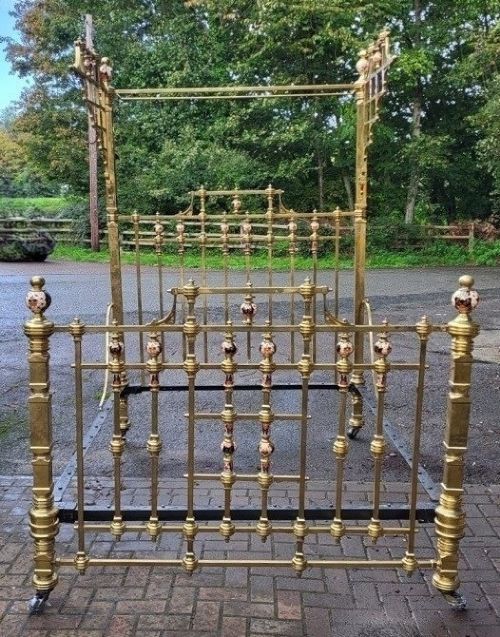
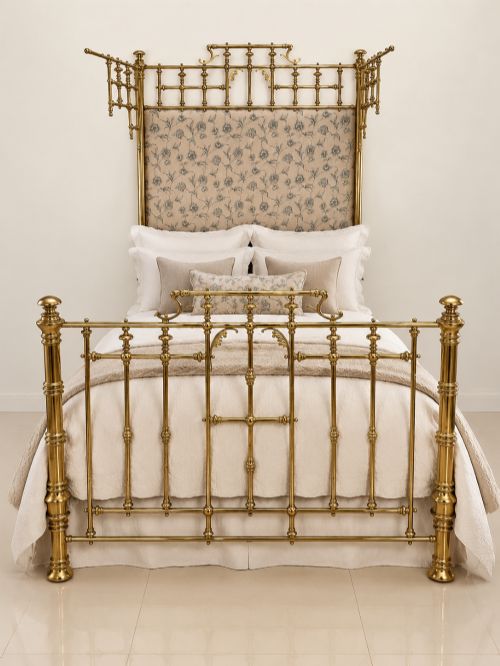
These vintage half tester beds bring dramatic presence to a room with their projecting canopy and generous proportions.
Vintage Half Tester
A vintage half tester bed combines a traditional full-length bedstead with a partial overhead canopy extending only partway down the length of the frame. These substantial sleeping quarters date across the Victorian era, spanning from the mid nineteenth century into the early twentieth century.
The versions most commonly met on this page are double and king size frames designed to stand as the principal piece of furniture in a large bedroom. They emerge from periods associated with robust manufacturing and decorative ambition, including Victorian and Gothic revival styles.
Makers constructed these bedsteads to accommodate substantial mattresses while displaying prominent metalwork or timber framing overhead. The combination of an extended canopy and heavy posts gives these pieces their distinct architectural silhouette.
How vintage half tester beds were made
Makers utilised solid brass, cast iron, and wrought iron to build the rigid structural skeletons necessary to support both the heavy bedding and the projecting canopy. These metal elements were frequently combined with ceramic components and detailed casting work.
Timber examples rely on rich hardwoods such as burr walnut and mahogany, finished to display the natural grain of the wood across the headboard and tester canopy. Craftsmen joined these heavy components using robust mechanical joints designed to withstand decades of daily use.
Listings show heavy reliance on solid brass and cast iron, alongside rich timbers like burr walnut and mahogany across the Victorian period.
What varies in quality in vintage half tester beds
The distinction between standard production pieces and top tier examples lies in the ambition of the casting work and the grade of materials selected. Exhibition quality pieces display crisp detailing in the brass and ironwork, with heavier gauge metal and more complex decorative motifs.
Timber construction quality shows in the choice of veneers, such as burr walnut, and the depth of the cabinetwork on the headboard panels. Superior examples maintain structural integrity in the canopy framework without sagging under the weight of historic fabric dressings.
The Vintage Half Tester Glossary
- Half tester
- A bed frame featuring a canopy that extends only partway over the head of the bed rather than covering the full length. This design historically supported drapery to trap warmth and block draughts.
- Bedstead
- The complete structural framework of a bed, including headboard, footboard, and side rails, designed to hold a mattress. These metal and wood skeletons formed the architectural base for the tester canopy.
- Burr walnut
- A prized timber harvested from the wart-like growths on walnut trees, showing swirling and intricate grain patterns. Cabinetmakers used veneers of this wood on high status Victorian bedroom furniture.
- Gothic revival
- An architectural and decorative style popular during the Victorian period, drawing inspiration from medieval forms. Pieces in this style often incorporate pointed arches and heavy geometric detailing into the metalwork.
Vintage Half Tester: Frequently Asked Questions
How do I fit a mattress on a vintage half tester bed?
These historical frames often accommodate non-standard dimensions that differ from modern mattress sizes. Custom mattress makers can build a piece to fit the exact internal perimeter of the antique rails.
Modern slatted bases or supportive wooden foundations are typically placed inside the original iron or timber frame to create a level platform for the mattress.
How were half tester beds used historically?
The projecting canopy historically held fabric curtains that could be drawn around the head of the bed. This arrangement provided privacy and shielded sleeping occupants from cold room draughts.
In grand Victorian bedrooms, these beds served as statement furniture pieces that displayed the wealth and taste of the household through elaborate metalwork and rich textiles.
How do I clean the brass on a half tester bed?
Solid brass components benefit from gentle dusting with a soft dry cloth to prevent the accumulation of airborne grime. Avoid harsh chemical polishes that strip historic patination and damage the surface.
If cleaning is necessary, use a mild solution approved for antique metals, testing a small hidden area first to ensure the finish remains undisturbed.
How can I date a Victorian half tester bed?
Dating relies on examining the construction techniques used in the metal castings and the joinery of the timber components. Mid nineteenth century examples often display heavier ironwork and different assembly bolts compared to later Victorian pieces.
Stylistic indicators, such as Gothic revival motifs or the choice of burr walnut veneer, provide further clues to the decade of manufacture within the broader Victorian era.