






Vintage Haberdashery Collectables
These vintage haberdashery collectables combine functional sewing tools and Victorian or Edwardian craftwork, offering collectors small silver novelties and textile accessories.
Vintage Haberdashery Collectables
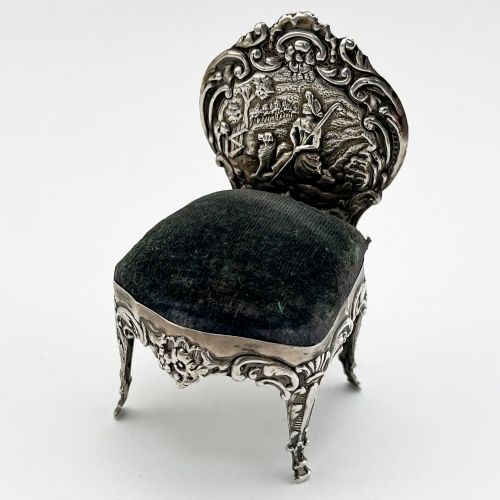
The pieces appearing on this page most commonly take the form of novelty pin cushions moulded in silver as animals and figures, alongside cased sewing sets and buttons. Such items reflect the domestic needlework habits of the Edwardian and Victorian eras.
Materials span from sterling silver and glass to velvet, leather, fabric, and wood. Papier mâché and cotton also feature among the selection, often preserved in original boxes or fitted cases.
Materials and construction
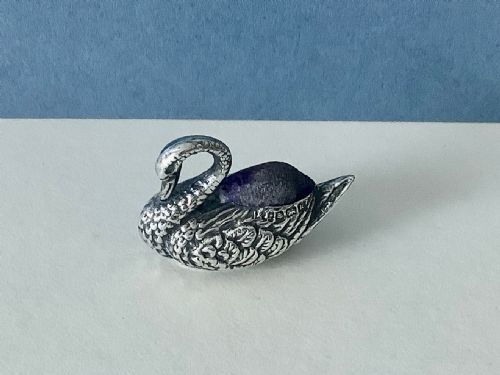
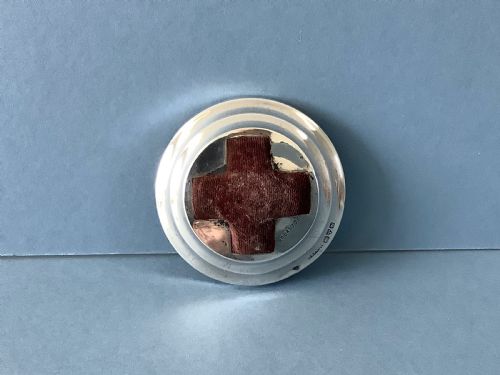
Silver components are shaped through casting and embossed detailing, creating distinct animal and figural forms such as stags, foxes, and swans. These metal mounts house fitted velvet or fabric pads designed to hold pins safely.
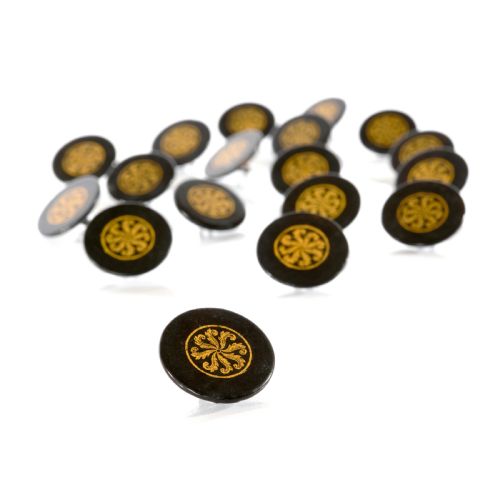
Buttons and small sewing implements utilise varied substrates including papier mâché, wood, and sterling silver. Many of these items incorporate textile elements like cotton and velvet within structured, cased presentations.
Tinier is better when a sterling silver swan requires a magnifying glass to appreciate its minuscule engraved feathers.
Assessing quality and craftsmanship
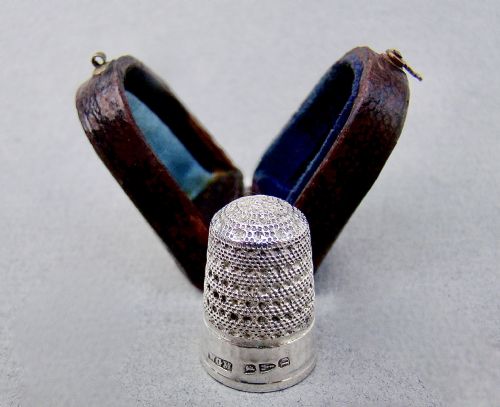
Completeness alters the character of a piece, particularly when items retain their original fitted leather or card presentation boxes. The integration of maker marks and legible hallmarking adds historical clarity to silver accessories.
Walter and George Myers
The Vintage Haberdashery Collectables Glossary
- Novelty pin cushion
- A small sewing accessory shaped to resemble an animal, vehicle, or figure rather than a traditional geometric form. These miniature silver items date predominantly to the Edwardian period.
- Cotton reel holder
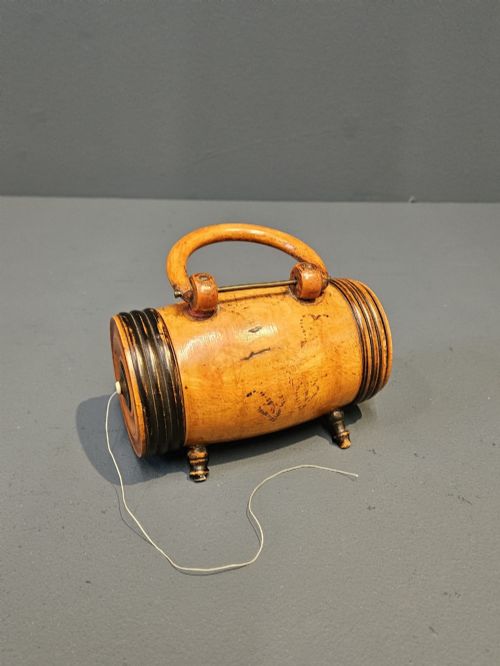
- A specialised device designed to keep sewing threads organised and accessible during needlework. These often feature turned wooden or weighted silver bases.
- Papier mâché
- A composite material made from paper pulp or layers of paper bound with glue, then moulded and painted. It appears frequently in nineteenth century button production.
- Sterling silver
- An alloy of silver containing ninety-two point five percent pure silver and seven point five percent other metals. British items typically display assay office hallmarks confirming this standard.
- Edwardian
- A stylistic period spanning the reign of King Edward the Seventh from nineteen hundred to nineteen ten. Items from this era often display lighter, more whimsical designs than their Victorian predecessors.
Vintage Haberdashery Collectables: Frequently Asked Questions
What are vintage haberdashery collectables?
These items are small sewing tools, decorative buttons, and needlework accessories produced during the nineteenth and twentieth centuries. They encompass silver pin cushions, thimbles, and cotton holders.
Many of these objects were created as novelty items for domestic use or personal ornamentation. They reflect the detailed craftsmanship applied to everyday sewing implements of past eras.
How were silver pin cushions used?
Silver pin cushions served as functional desk or dressing table accessories designed to hold pins and needles securely during sewing tasks. The velvet or fabric pads kept the sharp points enclosed.
Beyond utility, figural novelty designs functioned as decorative ornaments and conversation pieces in Edwardian and Victorian homes.
How can I identify Edwardian pieces?
Edwardian items often feature whimsical figural designs in silver, reflecting the aesthetic preferences of the decade leading up to nineteen ten. Hallmarks stamped into the metal provide precise dates and assay office locations.
Stylistic elements tend to be lighter and more ornate than the heavier styles associated with earlier Victorian manufacture.
Are these items found in original boxes?
Certain button sets and thimbles survive with their original fitted cases or boxes lined with velvet or satin. These fitted containers protect the delicate components from wear.
Original packaging enhances the historical context of the piece, though many loose items were stored in general sewing baskets.