





Vintage Gypsy Ring
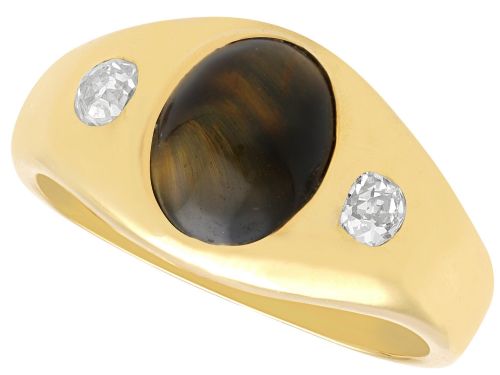
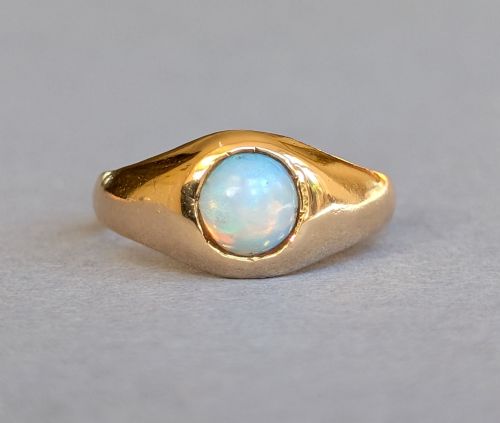
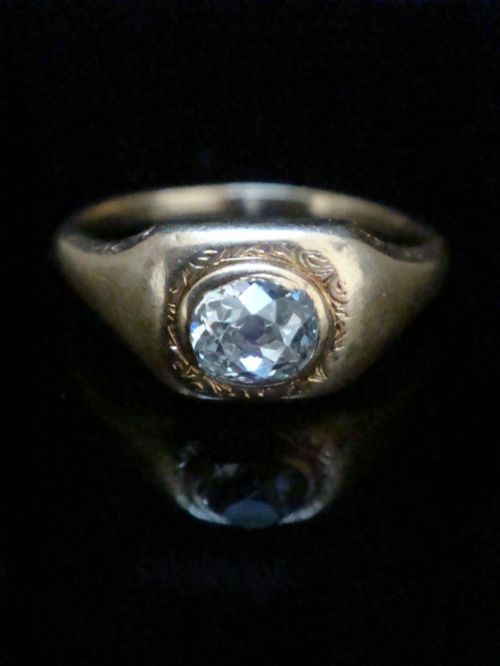
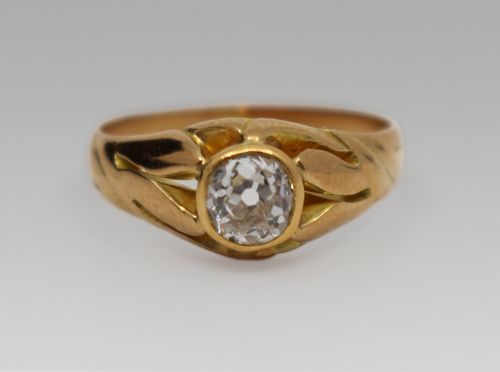
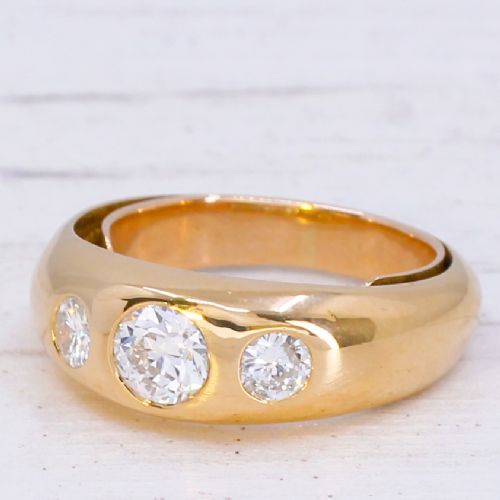
A vintage gypsy ring sits flush to the finger with stones sunk deep into heavy gold bands, offering a sleek profile that resists daily wear.
Vintage Gypsy Ring
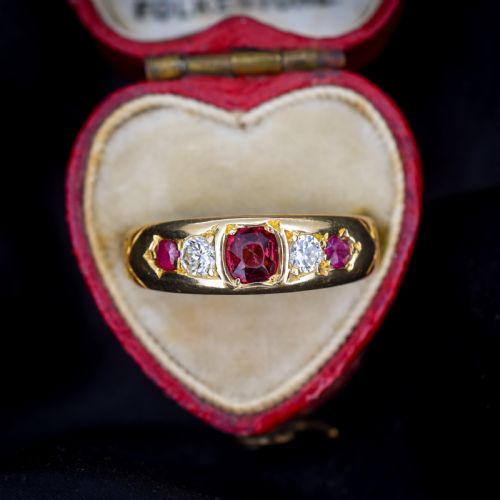
While single diamond solitaires and multi-stone combinations dominate the selection, variations incorporating rubies, sapphires, and turquoise also appear. These pieces serve as enduring examples of period jewellery designed for continuous, comfortable wear.
How they were made
Goldsmiths constructed these rings using high-carat gold, predominantly 18ct yellow or rose gold, alongside some 9ct and 15ct examples. The metal was cast or hammered into substantial bands that thickened around the setting area to provide structural security for the stones.
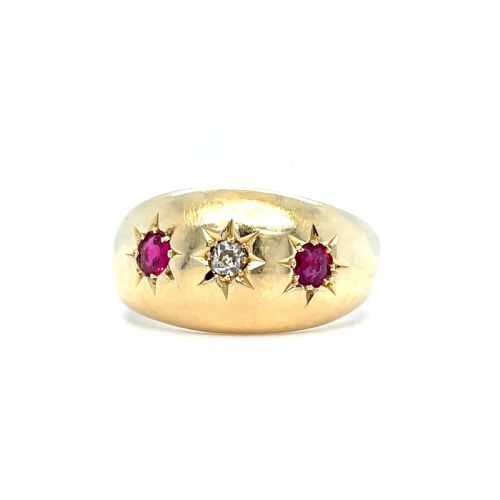
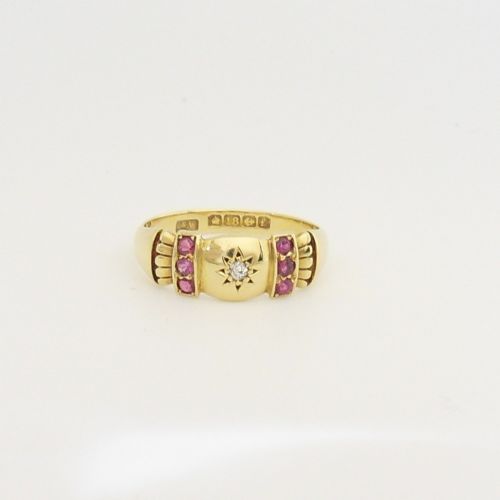
Stones such as old cut diamonds, rubies, and sapphires were meticulously pushed and secured into flush or starburst settings directly within the gold. Hand-engraved star motifs often radiated outwards from the flush-set gems to catch the light and create the illusion of larger stones.
Vintage Gypsy Ring Retail Price Guide 2026
Typical asking prices for vintage gypsy ring among the pieces listed under this phrase on Sellingantiques today, from the lower quarter to the upper quarter. They describe what is for sale here now, not the wider market.
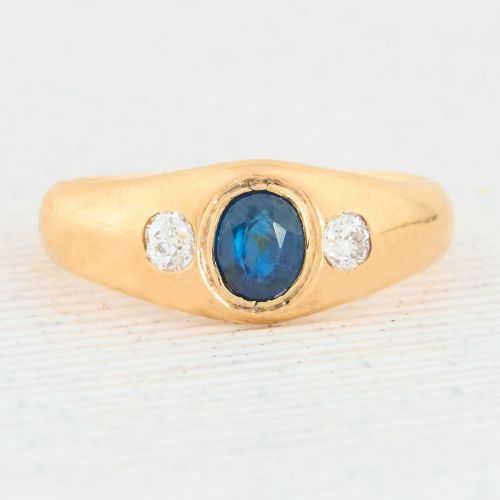
Some Victorian owners chose turquoise rings to symbolise unforgettable friendship, hiding bright blue stones safely inside smooth golden bezels.
What varies in quality
The quality of a vintage gypsy ring largely depends on the weight and integrity of the gold band itself. Thicker, heavier shanks resist thinning over decades of wear, preserving the original proportions and structural strength designed by the maker.
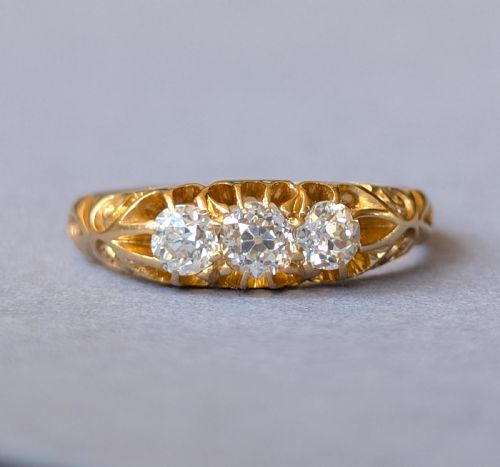
Stone selection and cut also separate standard pieces from exceptional ones. The presence of well-matched old cut diamonds, vivid rubies, or natural sapphires securely embedded without distortion to the surrounding star engravings defines superior craftsmanship.
The Vintage Gypsy Ring Glossary
- Gypsy ring
- A ring style characterised by a thick band that tapers towards the back and holds gemstones flush within the metal. This secure setting style protects the girdle of the stone.
- Old cut diamond
- A hand-faceted diamond cut popular before modern machinery standardised proportions. These stones typically display smaller tables and deeper pavilions that produce a softer, warmer glow.
- Rubover set
- A setting where a thin rim of precious metal is pushed over the edge of the gemstone to hold it in place. It creates a smooth, snag-free surface ideal for daily wear.
- Starburst
- An engraved pattern of radiating lines around a flush-set gemstone on a ring face. This decorative technique mimics the twinkle of a star and visually expands the focal area.
- Belcher ring
- A specific sub-type of gypsy ring featuring a rounded, protruding setting that rises slightly from the band to hold a stone. It shares the flush character while adding distinct dimension.
Vintage Gypsy Ring: Frequently Asked Questions
What is a gypsy ring?
A gypsy ring is a traditional band style where gemstones are set flush into the body of the gold rather than held in raised claws.
This creates a smooth, snag-free profile that sits flat against the finger and protects the stones from daily knocks.
How do I date a vintage ring?
Dating relies on stylistic clues such as the cut of the diamonds, the colour of the gold, and any engraved star motifs.
Victorian and Edwardian pieces often feature chunky old cut stones and rich yellow or rose gold bands.
Are these rings suitable for everyday wear?
These pieces were originally built for continuous daily use during the nineteenth and early twentieth centuries.
The flush settings hold stones securely, making them remarkably durable for modern routines.
What stones are used in these rings?
Diamonds are the most common gems found in these vintage bands, often paired with rubies, sapphires, or turquoise.
Multi-stone layouts frequently combine diamonds with coloured gems in starburst or three-stone arrangements.