




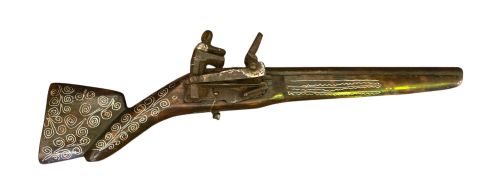


Vintage Gun Display
Vintage gun display encompasses firearm storage and display pieces like cabinets, racks, and tactical hardware spanning the eighteenth to twentieth centuries.
Vintage Gun Display
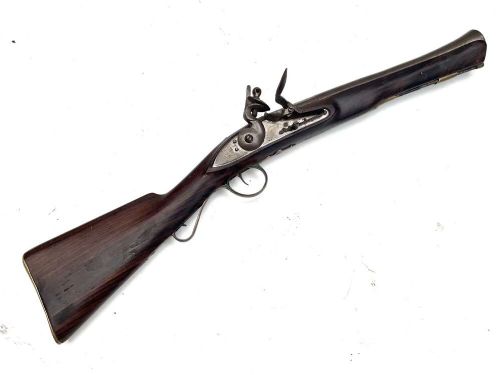
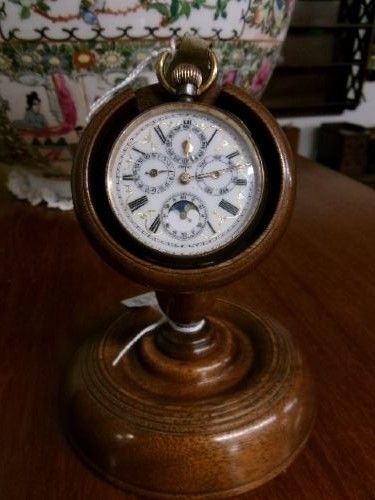
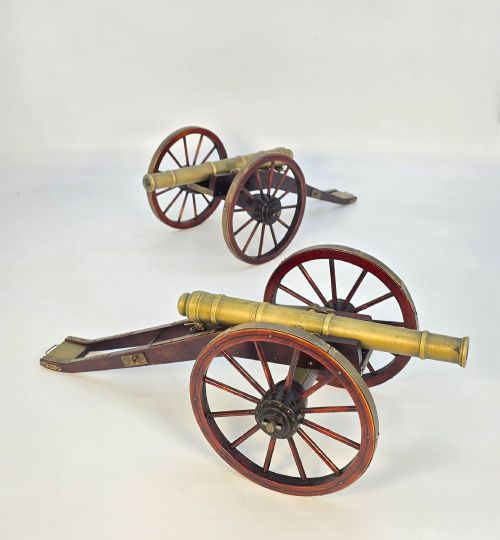
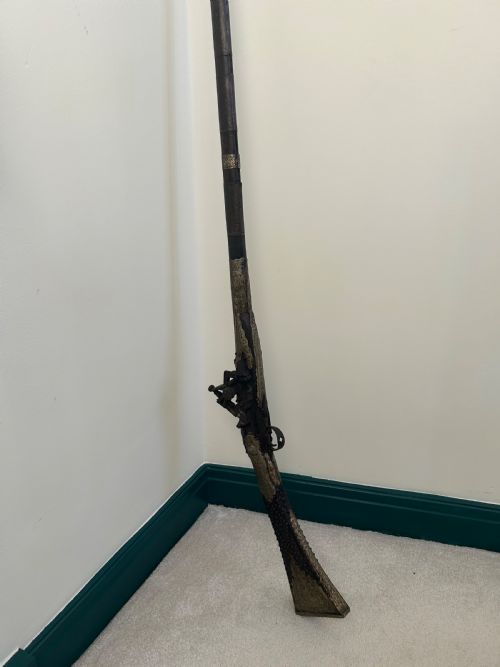
The objects frequently encountered on this page combine functional utility with historical display. You will find dedicated wooden racks constructed from oak and walnut alongside glazed storage furniture designed to protect and showcase historical arms. Alongside full-sized cabinets and racks, the selection incorporates miniature scale models of artillery pieces and related militaria.
The chronological scope spans from Georgian and Victorian military designs into the Edwardian period and the early twentieth century. Cabinets and storage racks appear alongside the very firearms and models they were designed to house or accompany. This grouping offers collectors a comprehensive view of how historic weaponry was stored, maintained, and exhibited.
Materials and construction techniques
The physical evidence reveals a strong reliance on traditional dense timbers for storage cabinetry and racks. Walnut, oak, and general hardwood provide the structural integrity required to support heavy firearms and wooden backboards. These materials are frequently combined with brass hardware, iron fittings, and glass panels to form secure, visible enclosures.
Metalwork plays a defining role in the associated items, utilising brass, gunmetal, steel, and iron. Firearms and functional components employ forged steel and brass barrels, whilst decorative elements incorporate silver inlay. Construction methods rely on traditional cabinet-making joins for wooden frames alongside metal casting and hand-building techniques for scale models and lock mechanisms.
Vintage Gun Display Retail Price Guide 2026
Typical asking prices for vintage gun display among the pieces listed under this phrase on Sellingantiques today, from the lower quarter to the upper quarter. They describe what is for sale here now, not the wider market.
Model cannons in the collection prove that historic firepower occasionally came in miniature sizes that fit comfortably on a desk.
Factors that define quality
The distinction between standard utility storage and superior examples rests upon timber selection and joinery execution. High-grade cabinets utilise figured walnut or quarter-sawn oak with meticulous attention to internal fittings and secure locking mechanisms. Lesser examples demonstrate more utilitarian construction without decorative refinement.
In metalwork and scale models, quality is determined by the precision of hand-assembly and the integrity of original components. Hand-built model cannons and flintlock mechanisms exhibit superior craftsmanship through accurate proportions and fine detail work. Original brass barrels and integrated silver inlay represent higher levels of artisan input compared to mass-produced replacement elements.
WILSON
The Vintage Gun Display Glossary
- Flintlock
- An ignition mechanism for firearms that uses a flint striking a steel frizzen to create sparks. This system dominated military and civilian arms for centuries before percussion caps were introduced.
- Percussion
- A firearm ignition system utilising a percussion cap struck by a hammer to detonate the gunpowder charge. It succeeded the flintlock mechanism during the nineteenth century.
- Frizzen
- The vertical steel plate on a flintlock firearm that is struck by the flint to produce sparks. The impact simultaneously exposes the priming powder in the pan.
- Gunmetal
- An alloy of copper, tin, and zinc traditionally utilised for ordnance, durable fittings, and precision items. It offers high resistance to corrosion and wear.
Vintage Gun Display: Frequently Asked Questions
What is a vintage gun display cabinet?
A vintage gun display cabinet is a specialised piece of wooden furniture designed to securely store and exhibit historic firearms. These enclosures typically feature glass panels and internal timber racks tailored to hold long guns safely.
Such cabinets protect collections from dust and damage while allowing full visibility of the stored pieces. They often incorporate lower storage compartments or drawers for related accoutrements.
How do I identify a nineteenth-century gun rack?
Nineteenth-century gun racks are identified by their heavy timber construction, typically utilising native hardwoods like oak or walnut. They feature shaped wooden recesses and vertical supports designed to hold specific historic long arms.
Examination of the fixings, wood patina, and joinery helps determine the period. Many examples reflect military or sporting requirements of the Victorian era.
What materials were used for antique gun display items?
Antique gun display items and associated furniture primarily utilise dense hardwoods such as walnut and oak. These structural woods provide the necessary strength and stability for supporting heavy firearms.
Metal components incorporate brass, iron, and steel for hinges, locking mechanisms, and decorative mounts. Glazed doors frequently utilise float or cylinder glass depending on the manufacturing period.
How were antique firearms displayed historically?
Historically, firearms were displayed on wall-mounted wooden racks or housed within glazed cabinets in libraries and estate armouries. These display methods kept functional arms accessible yet secure from unauthorised handling.
Specialised cabinets often featured green baize linings and fitted wooden blocks to cradle specific rifle or pistol types. This protected the timber stocks and metal finishes from unnecessary abrasion.