





Vintage Grinder
A vintage grinder brings substantial weight and tactile history to a kitchen or study, offering functional forms shaped by centuries of daily use.
Vintage Grinder
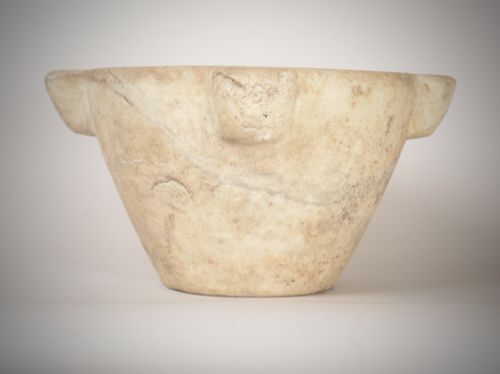
When you search for a vintage grinder, you encounter utilitarian objects primarily designed for crushing, grinding, or milling spices, grains, and medicinal substances. These implements span domestic kitchenware and apothecary tools, reflecting the physical demands of past centuries.
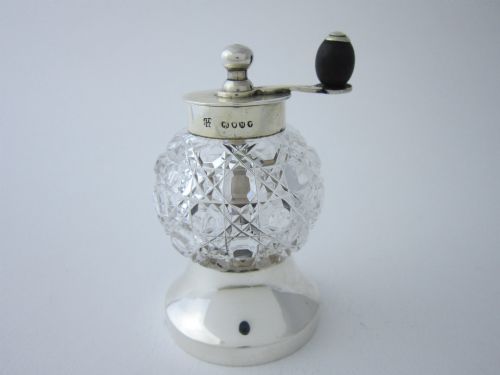
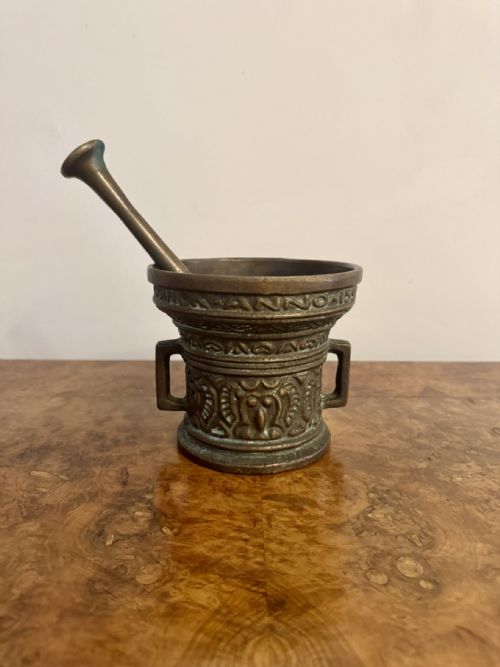
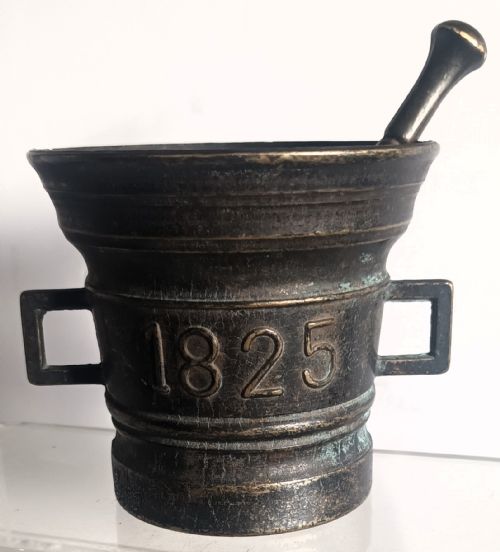
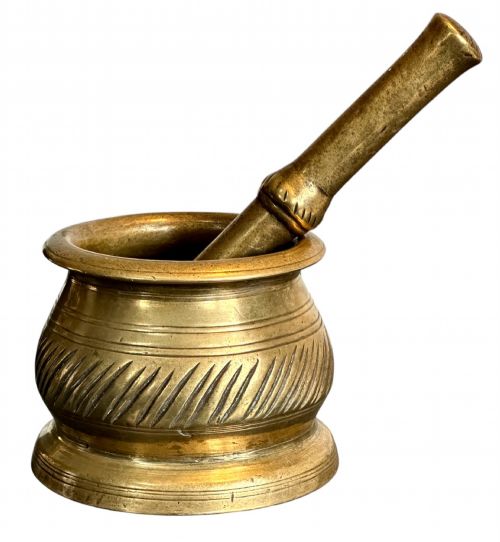
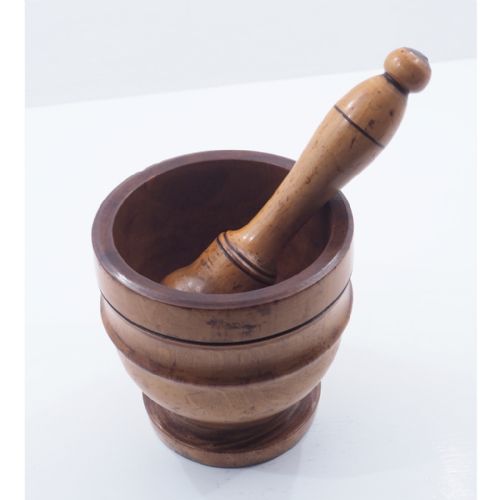
The most common versions met on this page are bronze, brass, and hardwood mortar and pestle sets, alongside sterling silver and glass pepper grinders. These pieces date from the seventeenth century through the early twentieth century, showing a clear lineage of manual preparation tools.
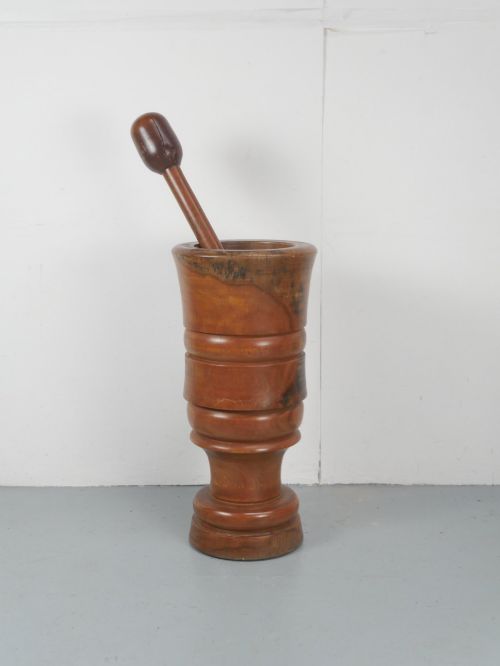
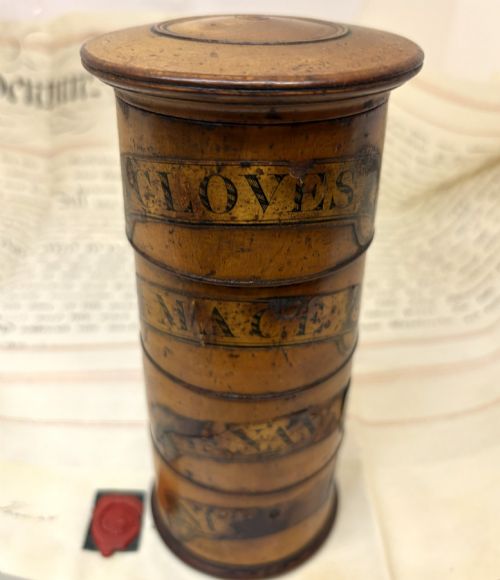
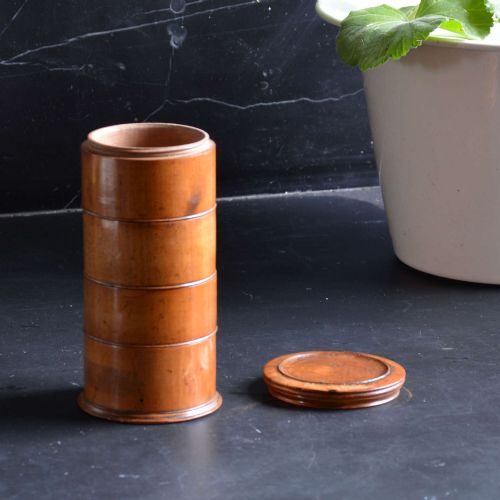
Form follows function across the selection, ranging from massive cast metal kitchen mortars to tall turned treen spice towers and small desktop pepper mills. Each style demonstrates the specific material choices preferred by makers for enduring daily friction.
How they were made
Metal grinders such as mortars and pestles were produced using traditional casting methods in bronze, brass, and sterling silver, yielding thick, heavy walls designed to withstand heavy impact. Skilled metalworkers often incorporated decorative ribs, heraldic motifs, or flared rims directly into the casting mould.
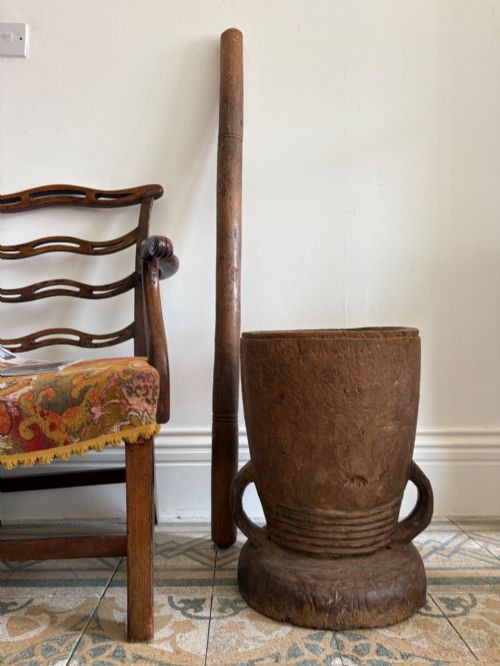
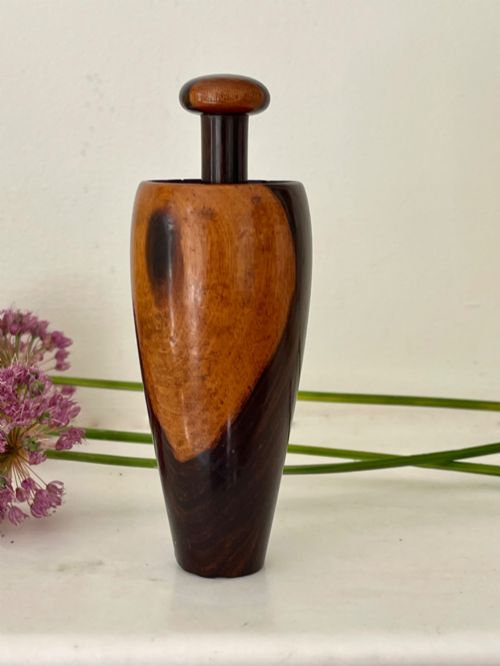
Wooden items including spice towers, treen containers, and grain mortars were shaped on a lathe or carved by hand from dense timbers like boxwood, beech, walnut, lignum vitae, and olive wood. These wooden surfaces display the distinct tool marks of the turner and rely on the natural grain density for strength.
Vintage Grinder Retail Price Guide 2026
Typical asking prices for vintage grinder among the pieces listed under this phrase on Sellingantiques today, from the lower quarter to the upper quarter. They describe what is for sale here now, not the wider market.
A sturdy seventeenth-century bronze mortar has likely outlived several dynasties while spending its entire life simply getting beaten up on the inside.
What varies in quality
Quality rests upon the heft of the metal casting and the precision of the turning in wooden pieces, where heavier bronze and denser lignum vitae indicate superior substance. Finer examples display crisp decorative detailing, balanced proportions between mortar and pestle, and honest wear that speaks of genuine domestic service.
Design sophistication also distinguishes the selection, separating simple utilitarian kitchen items from elaborately decorated apothecary mortars and refined silver-mounted glass pepper grinders. The integration of maker choices, such as silver hallmarks or sophisticated Gothic revival styling, elevates certain pieces above standard utility wares.
The Vintage Grinder Glossary
- Mortar and Pestle
- A bowl-shaped vessel paired with a heavy club, used for grinding and crushing substances together.
- Treen
- Small handmade wooden household objects and utilitarian wares produced from local timbers.
- Lignum-vitae
- An exceptionally dense and heavy hardwood historically prized for its resistance to splitting under heavy impact.
- Spice Tower
- A vertical turned wooden container, often divided into multiple sections for storing various powdered spices.
- Apothecary
- Pertaining to the preparation and sale of medicines, producing heavy cast metal mortars used by chemists.
Vintage Grinder: Frequently Asked Questions
What were antique mortars made from?
Antique mortars were produced in a variety of dense materials suited to crushing tasks, predominantly heavy cast bronze and brass, alongside turned hardwoods like boxwood, walnut, and lignum vitae.
Domestic and scientific examples also incorporate ceramic, glass, and sterling silver, particularly in later pepper grinders and apothecary sets.
How do I date a bronze mortar?
Dating bronze mortars relies on stylistic clues such as Gothic revival elements, flared rims, cast decorative ribbing, and regional casting characteristics typical of seventeenth and eighteenth-century workshops.
Heavier unadorned forms often reflect long-standing traditional shapes that changed very little across several centuries of manufacture.
Can I still use these grinders?
Many bronze and wooden mortars retain their physical integrity and remain entirely suitable for crushing dry spices and herbs in a modern kitchen.
Silver and glass pepper grinders can similarly function once cleaned, though collectors frequently choose to display them as decorative historical objects.