
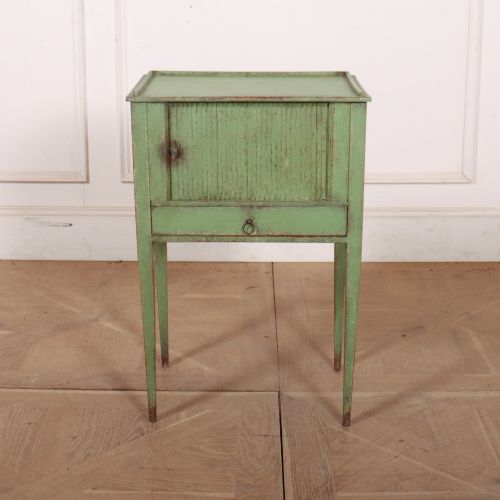
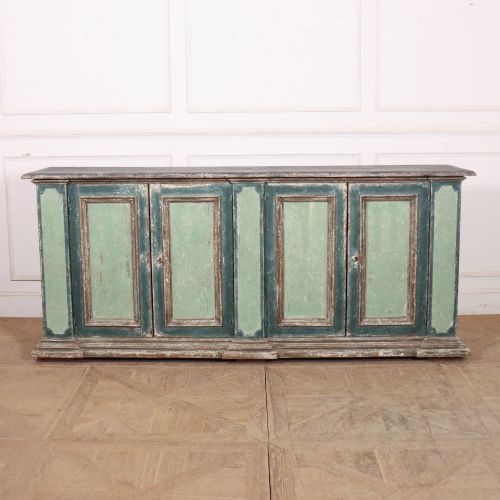


Vintage Green Side Cupboard
A vintage green side cupboard brings painted charm and practical storage to a room, offering character that modern furniture simply cannot match.
Vintage Green Side Cupboard
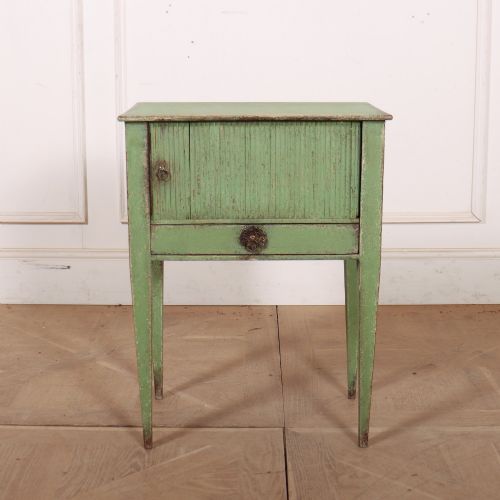
A vintage green side cupboard encompasses painted wood cabinets, bedside tables, and chiffoniers originating from periods ranging from the eighteenth century to the twentieth century. These pieces combine functional storage with decorative painted finishes, often surfacing in Dutch, Italian, and French provincial styles.
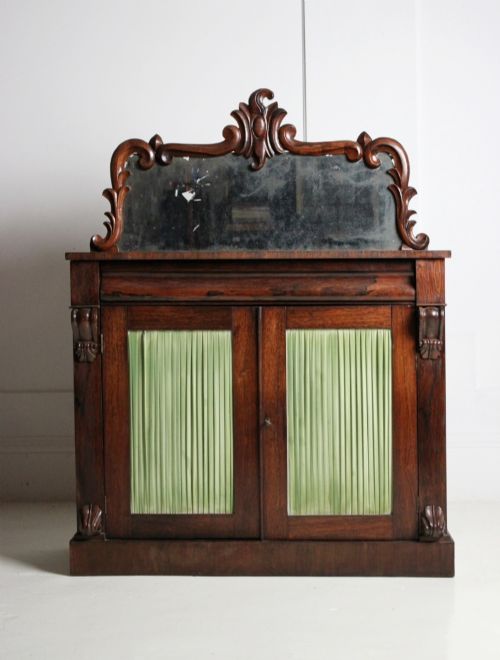
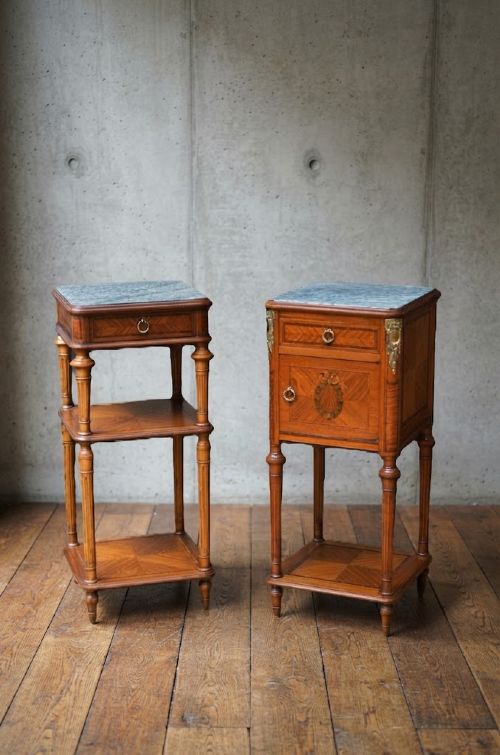
The version most commonly met on this page is the painted wooden cabinet or bedside table, frequently finished in green paint that highlights regional European styles. Pieces span various forms, including glazed display cabinets, marble-topped bedside lockers, and bow-fronted side cabinets.
How they were made
Construction relies primarily on solid timbers such as oak, pine, walnut, and satinwood, frequently paired with painted wood finishes. Artisans applied lead or oil-based pigments directly to the timber, sometimes incorporating decorative giltwood accents or fabric linings.
Hardware details typically involve brass handles, keyplates, and hinges, while specialised surfaces feature inset marble slabs or ceramic tiles. Cabinets incorporate glass panels for display variants, demonstrating traditional joinery appropriate to their respective centuries.
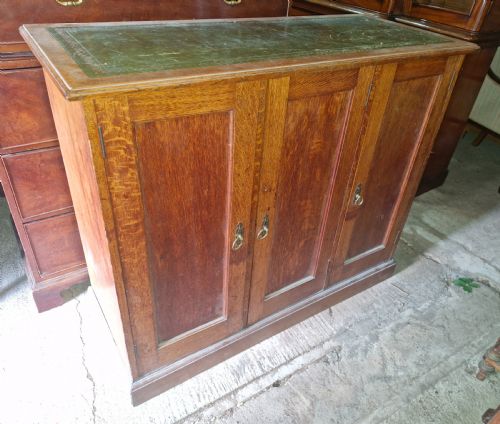
The listings span multiple centuries, incorporating oak, rosewood, and painted pine alongside brass and glass elements.
What varies in quality
Quality rests significantly in the integrity of the original painted surface versus later repainting, alongside the depth of the regional decorative carving. Pieces displaying undisturbed historic paint retain a greater material authenticity than those refreshed in subsequent eras.
The choice of primary timber and secondary woods dictates structural durability, with dense hardwoods like rosewood and oak sitting at the higher end of the craft. Refinement in hardware, such as chased brass mounts and original locking mechanisms, further separates standard utility pieces from finer artisan commissions.
The Vintage Green Side Cupboard Glossary
- Chiffonier
- A low sideboard or cabinet, typically featuring enclosed shelving beneath a smaller upper tier or drawer. This form gained particular favour during the Regency period.
- Provincial
- Denoting furniture made in the regions rather than the capital, often displaying charming local interpretations of grander court styles. Dutch and Italian provincial pieces frequently utilise painted finishes.
- Giltwood
- Timber that has been coated with a thin layer of gold leaf or gilt pigment to create an opulent decorative surface. It appears on finer revival and rococo cabinets.
- Bow front
- A convex, curved cabinet front that softens the angles of a room and requires advanced woodworking skill to construct. It is frequently seen on mahogany and rosewood sideboards.
- Tile top
- A tabletop or cabinet surface inset with decorative ceramic tiles, characteristic of the Arts and Crafts movement. These tiles offer heat and moisture resistance for functional use.
Vintage Green Side Cupboard: Frequently Asked Questions
How do I date a painted cupboard?
Dating relies on examining the construction joints, timber preparation, and the composition of the paint layers beneath any surface wear. Hand-cut dovetails and historic pigment analysis provide reliable clues to a piece's age.
Stylistic markers also guide the collector, as specific revival motifs and regional proportions correspond directly to periods like the Regency or the Arts and Crafts movement.
Are these cupboards suitable for bedside use?
Many smaller painted cabinets and bedside tables listed here function exceptionally well next to a bed, offering enclosed storage for nighttime essentials. Their compact footprints suit domestic spaces without overwhelming the room.
Checking the height and surface material, such as marble or wood, ensures the cabinet matches the scale of modern bedding and lighting.
How should I clean painted wood?
Maintenance requires gentle dusting with a dry or slightly damp microfibre cloth to protect fragile historic paint finishes from moisture damage. Avoid modern chemical solvents or abrasive cleaners that strip aged pigments.
Applying microcrystalline wax periodically helps preserve exposed wooden surfaces while maintaining the matte or satin sheen of vintage paint.
What is the difference between a chiffonier and a side cabinet?
A chiffonier traditionally includes a lower cupboard section often surmounted by a raised shelf or small gallery, evolving from Regency sideboards. Side cabinets offer a simpler enclosed storage box without the upper tier.
Both forms served similar dining and drawing-room functions, but the chiffonier tends to incorporate more elaborate architectural detailing.