
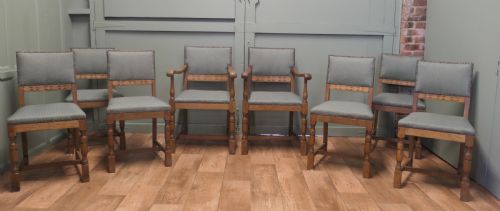
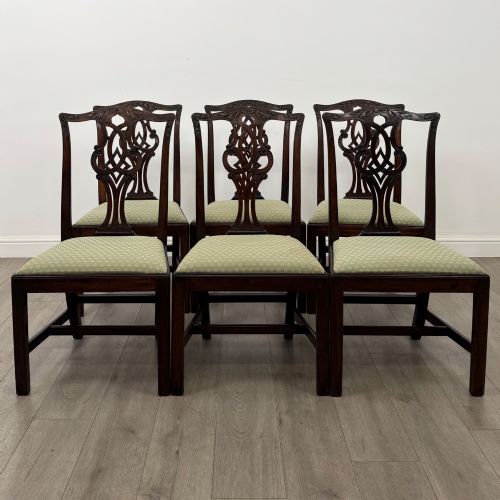
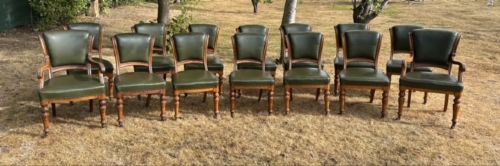
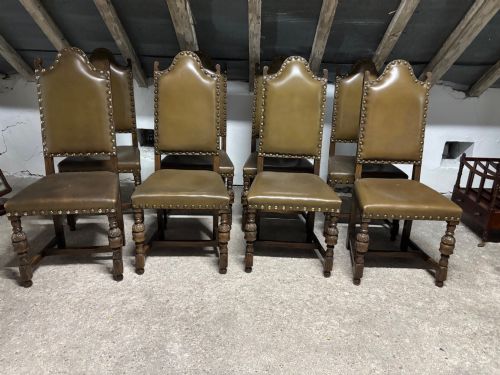

Vintage Green Dining Chairs
These vintage green dining chairs bring character to a room through varied period forms and rich timber frames.
Vintage Green Dining Chairs
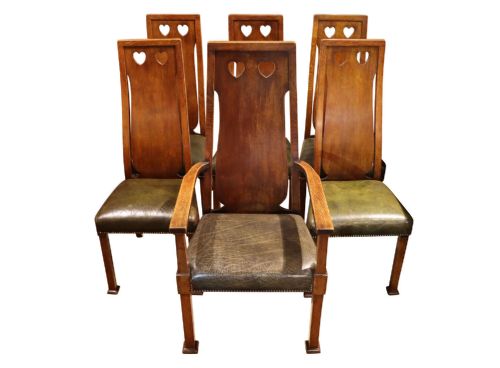
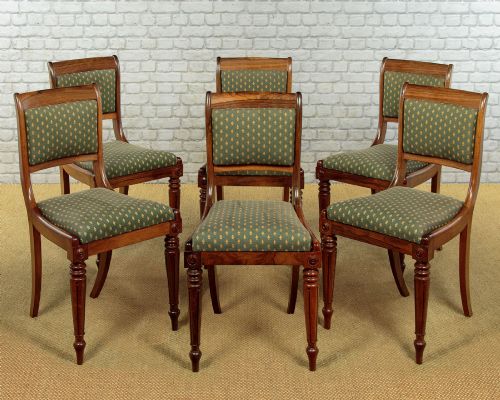
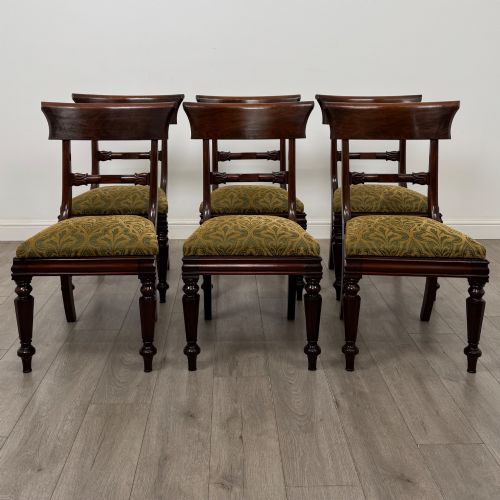
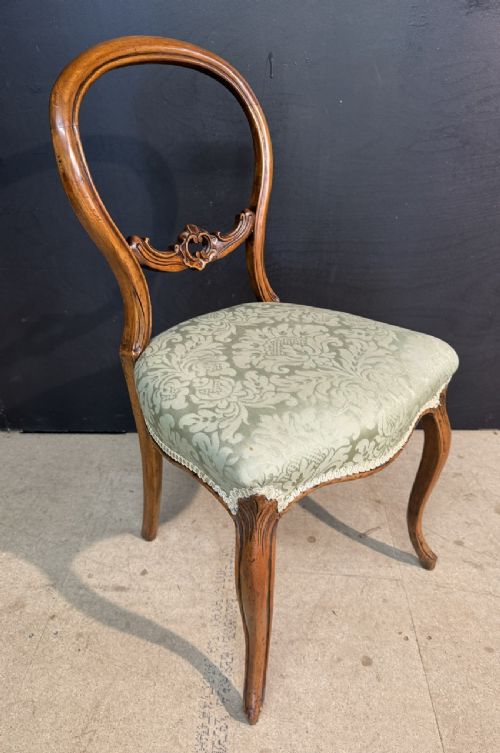
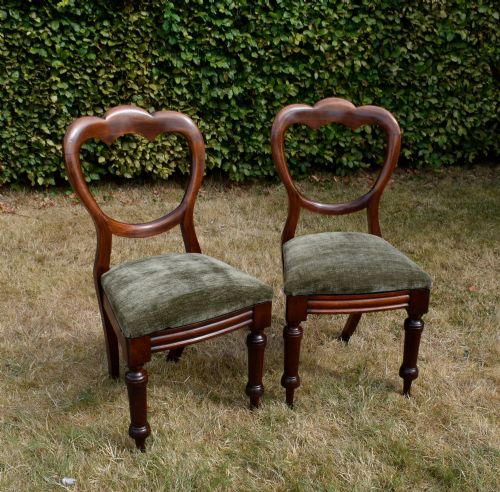
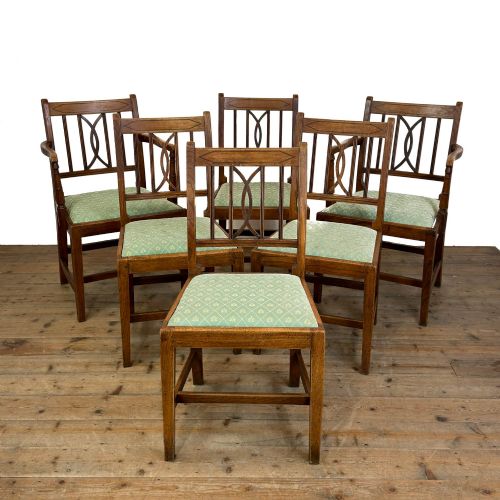
Vintage green dining chairs encompass a range of traditional seating forms designed for the dining table, though the phrase itself matches listings spanning multiple centuries. Buyers searching for vintage green dining chairs will encounter sturdy oak and mahogany frames shaped across the Victorian, Georgian, and Edwardian eras. The selection on this page demonstrates how diverse these seating options remain, drawing from periods like the nineteenth century and the nineteen-thirties.
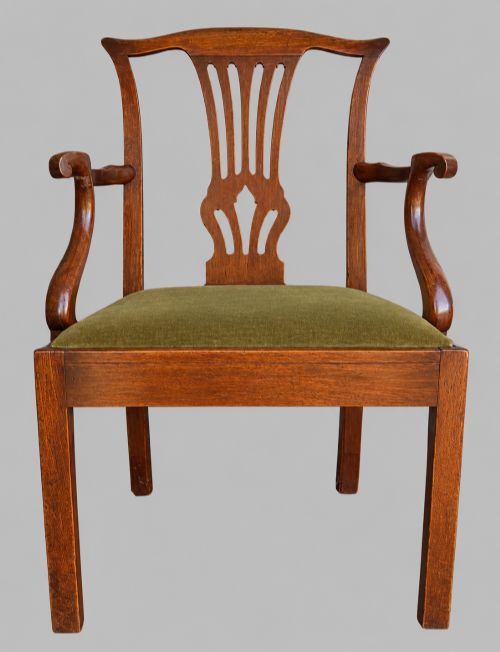
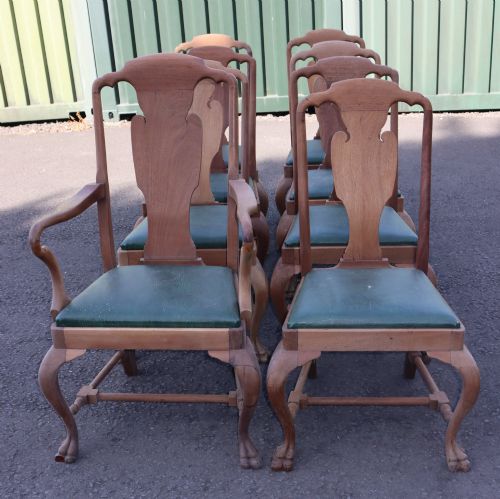
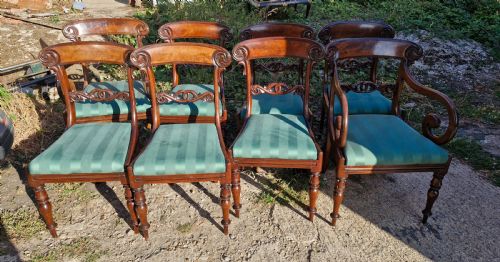
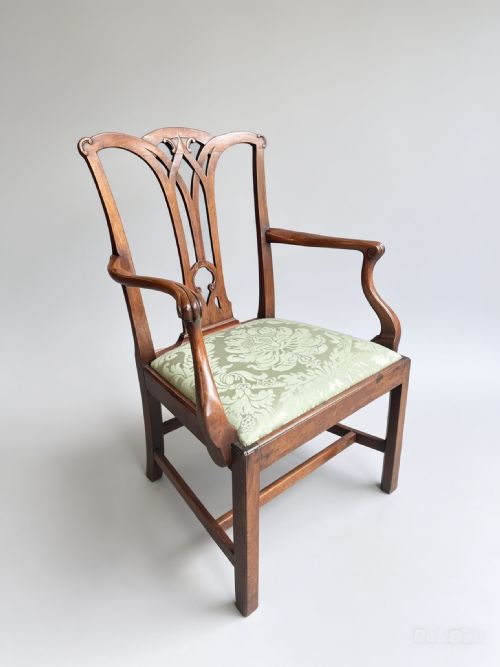
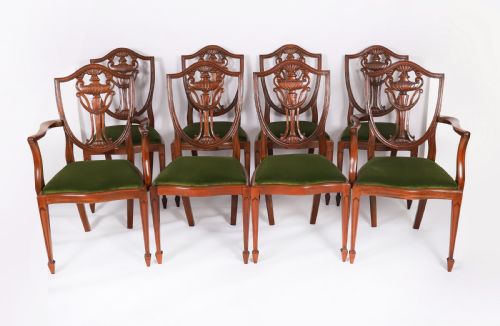
The forms vary considerably, including standard dining chairs, carver chairs with arms, and larger sets suitable for formal tables. Many examples incorporate revival styles such as Chippendale, Hepplewhite, and Queen Anne, reflecting the tastes of different historical decades. While wood tones dominate the historical record, upholstered elements introduce colour and texture to the seating arrangements.
How they were made
Cabinet makers constructed these dining chairs primarily from dense hardwoods such as mahogany, oak, and walnut, often selecting timber for its strong grain pattern. Joinery relied on traditional methods like mortise and tenon joints to ensure structural integrity over centuries of daily use. Carved details on splats, crest rails, and legs required skilled hand-tool work rather than mass production.
Upholstered components utilised materials like leather, velvet, and woven fabric fastened over padded foundations. Brass hardware and inlay work occasionally appeared on finer pieces to accent the primary wood structure. Each manufacturing choice reflected the prevailing design standards of periods ranging from the eighteenth century to the mid twentieth century.
Object forms include standard dining chairs, carvers, armchairs, and complete matched dining suites.
What varies in quality
The degree of hand carving and the crispness of detail separate standard seating from exceptional examples. Chairs that retain their original timber surfaces and structural rigidity command greater interest than those with extensive modern replacements. The cohesion of a matched set also dictates the overall standard, particularly when dealing with larger dining quantities.
The quality of the timber selection, such as figured mahogany or burr walnut, influences the visual depth of the piece. Superior upholstery work and durable internal padding ensure that the seating remains functional as well as decorative. Attention to proportions and historical accuracy in revival pieces further distinguishes finer craftsmanship.
Gillows
The Vintage Green Dining Chairs Glossary
- Carver chair
- A dining chair fitted with armrests, traditionally placed at the head of the table. These often match a larger set of armless side chairs.
- Splat
- The vertical wooden strip down the centre of a chair back. Different period styles feature distinct vase, ladder, or shield shapes.
- Cabriole leg
- A furniture leg that curves out and then in, resembling the leg of an animal. This form frequently appears on eighteenth-century and revival seating.
- Mahogany
- A durable, reddish-brown tropical hardwood favoured by period cabinet makers for its stability and fine finish. It takes carving exceptionally well.
- Regency
- A British design period spanning the early nineteenth century, characterised by classical Roman and Greek revival motifs. Furniture from this era often incorporates bold lines and dark timbers.
Vintage Green Dining Chairs: Frequently Asked Questions
Can I mix different chair styles around a table?
Mixing chair styles is a traditional approach that adds visual interest to a dining space. Pairing a set of side chairs with two distinct carvers at the table ends creates a balanced look.
Matching the wood tone or general period ensures the arrangement feels deliberate rather than accidental. Scale and seat height should remain consistent for comfort.
How should I care for antique wooden chairs?
Protect antique wood by placing chairs away from direct sunlight and sudden temperature shifts. Regular dusting with a soft, dry cloth preserves the finish without building up residue.
Occasional applications of appropriate wax maintain the moisture of the timber. Avoid using modern chemical polishes that can strip historic finishes.
What is a carver chair used for?
Carver chairs feature supportive armrests and traditionally served as the primary seat at the head of a dining table. Their generous proportions offered added comfort during long meals.
They also function effectively as desk chairs or standalone accent pieces in a bedroom or study. The arms provide extra support while reading or working.