


Vintage Grand Tour Painting
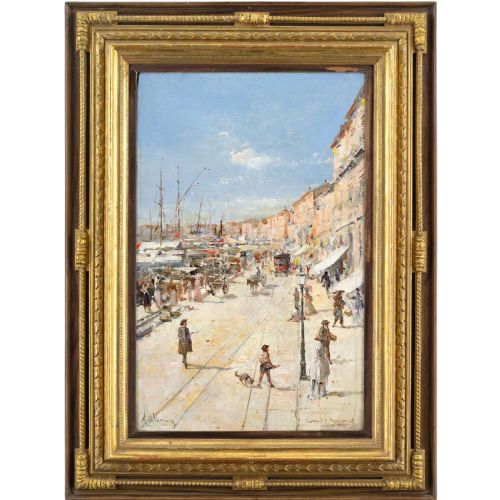
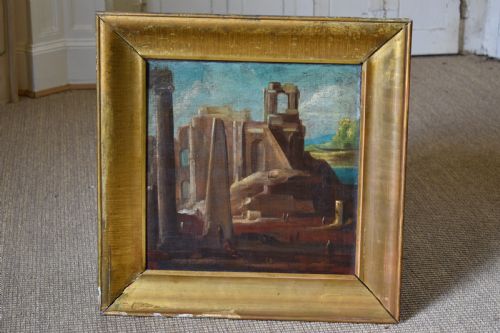
These vintage grand tour painting examples capture classic Italian landscapes and historic landmarks, offering a taste of nineteenth-century European travel for the collector.
Vintage Grand Tour Painting
A vintage grand tour painting is typically an oil on canvas or watercolour depicting classical ruins, Venetian canals, and Italian landscapes created during the nineteenth and early twentieth centuries. These artworks capture the sights collected by travellers on European cultural journeys, spanning periods from the eighteen-seventies up to nineteen-thirty.
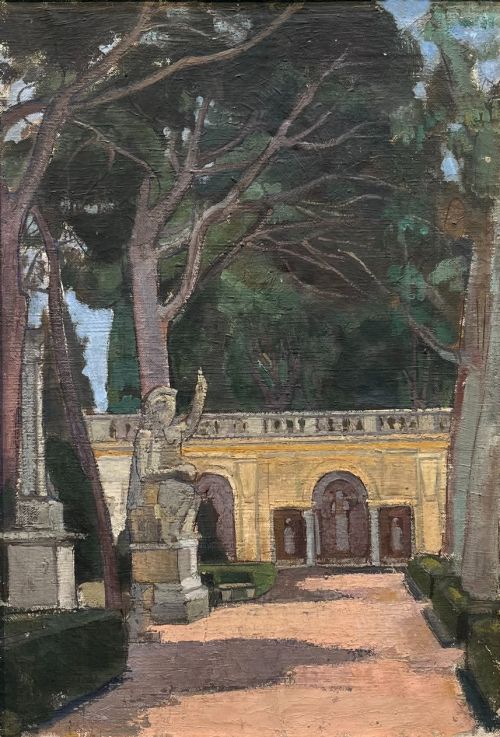
The pieces listed here appear in various forms, including framed artwork, fine art painting, and specific watercolours of landmarks such as the Forum of Nerva and the Spanish Steps. Buyers will frequently encounter nineteenth-century Italian scenes alongside British Post-Impressionist and French Post-Impressionist interpretations of classic views.
While most examples are paintings and watercolours on paper or canvas, the category occasionally extends to related objects like painted plaster busts, bronzed terracotta, and carved wood lamps. The core focus remains firmly on topographical art documenting the historic sites of Rome, Venice, Naples, and Sorrento.
Materials and technique
Artists relied primarily on oil on canvas and watercolour on paper, often framing the finished works in giltwood, gesso, or gilt wood moulding. These traditional materials define the visual character of the period and dictate the conservation requirements of each piece.
Techniques range from rapid plein-air watercolour sketching to detailed studio oil paintings executed by skilled continental and British artists working abroad. Supporting structures frequently utilise timber frames finished with plaster and gilt layers to house the delicate works.
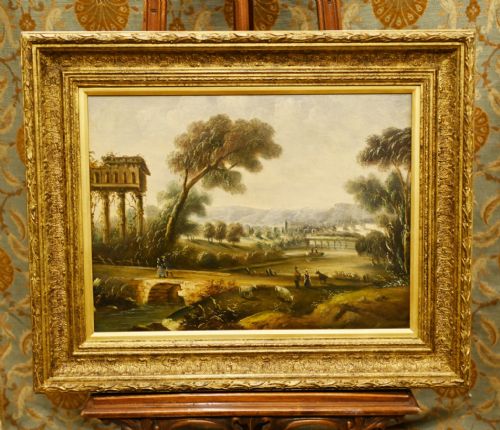
Recorded subjects range from Venetian canal scenes and Roman monuments to coastal views of Sorrento and pastoral landscapes.
Judging quality in grand tour art
Quality rests upon the skill of brushwork, the accuracy of architectural perspective, and the atmospheric depth captured by the artist. Stronger pieces display confident handling of light and shadow, particularly in depictions of Italian sunlight and water reflections.
The preservation of the paper or canvas and the originality of the associated giltwood or gesso frame also influence the overall standard. Works carrying clear signatures by documented painters of the era generally demonstrate superior draughtsmanship compared to anonymous student pieces.
Augusto Alberici·Marc Aldine·Antoine Bouvard Senior·Alfred Pollentine·Ettore Ascenzi
The Vintage Grand Tour Painting Glossary
- Veduta
- A highly detailed, usually large-scale painting or watercolour of a cityscape or other vista. These topographical views served as popular souvenirs for travellers on the continent.
- Gesso
- A plaster mixture used as a base for moulding or painting on frames and wooden supports. It provides a smooth surface for subsequent gilding.
- Giltwood
- Wood that has been covered with a thin layer of gold leaf or gold paint. Frames of this type are characteristic of nineteenth-century picture presentations.
- Gouache
- An opaque method of watercolour painting using water-soluble pigments bound in glue. It produces heavier, solid colours compared to transparent watercolours.
- Pastoral art
- Works depicting rural scenes, shepherds, and idyllic country landscapes. They form a distinct subset of the romantic views brought home by travellers.
Vintage Grand Tour Painting: Frequently Asked Questions
What subjects appear in these paintings?
The works primarily depict Italian views, including Venetian canals, Roman ruins, coastal scenes of Sorrento, and pastoral landscapes.
Artists focused on the classic landmarks encountered by travellers during their European journeys.
How should I hang these artworks?
These pieces suit traditional wall displays, often paired alongside other framed watercolours or oil paintings from the nineteenth century.
Keep them away from direct sunlight to protect the pigments on paper and canvas.
Are the frames original to the pieces?
Many retain their period giltwood or gesso frames, which complement the age and origin of the artwork.
Examine the mounting details to understand whether the framing dates to the same period as the painting.
How do I identify a nineteenth-century watercolour?
Nineteenth-century watercolours typically use heavy rag paper and show muted, natural earth pigments characteristic of the period.
Signatures or contemporary inscriptions on the reverse often provide clues to the exact date and location.