



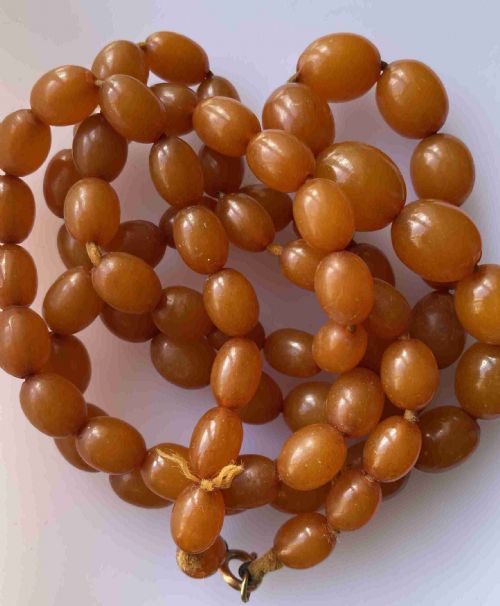


Vintage Graduated Beads
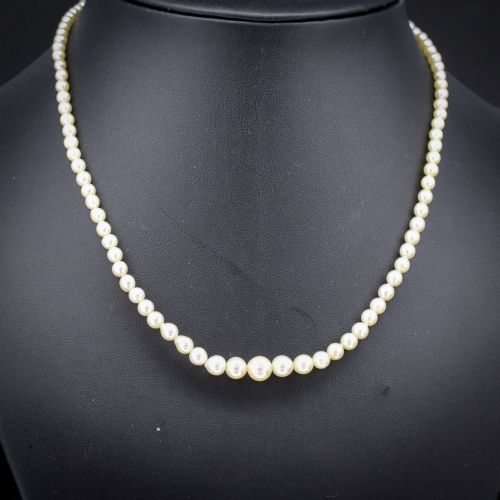
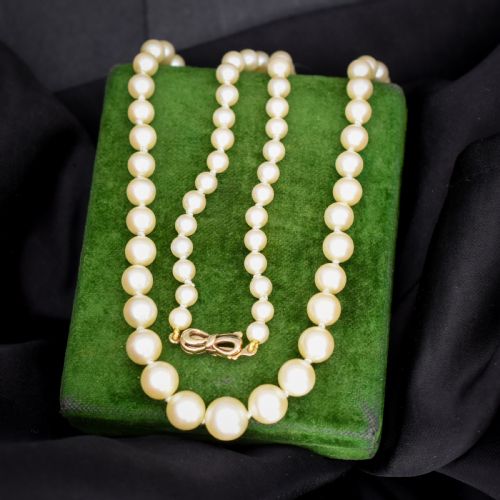
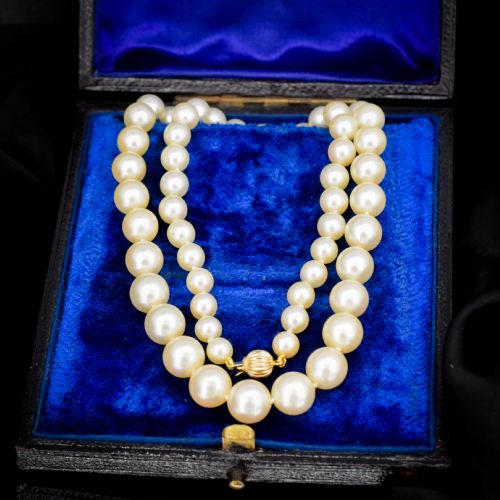
Vintage graduated beads offer a classic silhouette, scaling smoothly from smaller terminals to a prominent centre stone.
Vintage Graduated Beads
Vintage graduated beads comprise necklaces featuring stones or materials that decrease in size symmetrically toward the clasp. When searching for vintage graduated beads, buyers encounter forms ranging from Edwardian strands to mid-century designs. These necklaces span various periods including Victorian, Art Deco, and mid-century modern eras.
The materials used across these pieces include pearl, amber, coral, and early plastics such as bakelite and phenolic resin. Most examples appear as single or multi-strand necklaces secured with gold or silver clasps. The proportion of each bead determines the overall taper and drape of the piece when worn.
Qualities of Distinction
Quality in these necklaces rests on the consistency of the material, the precision of the graduation taper, and the security of the stringing. Uniformity in colour and clarity across natural stones like amber and coral elevates a piece significantly.
The integrity of the clasp and the presence of precious metal components, such as 9ct gold fittings, distinguish finer examples. Furthermore, expert knotting between beads indicates superior craftsmanship and ensures longevity during wear.
Vintage Graduated Beads Retail Price Guide 2026
Typical asking prices for vintage graduated beads among the pieces listed under this phrase on Sellingantiques today, from the lower quarter to the upper quarter. They describe what is for sale here now, not the wider market.
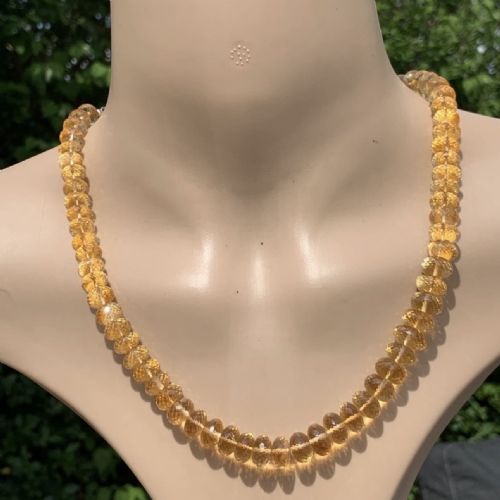
Materials documented across the inventory include phenolic resin, cultured pearls, silk thread, and faceted citrine.
The Vintage Graduated Beads Glossary
- Graduation
- The deliberate decrease in size of beads from the centre front towards the fastening. This technique ensures the necklace rests comfortably against the collarbone.
- Bakelite
- An early form of synthetic phenol-formaldehyde resin used in mid-century jewellery production. It is prized for its warm touch and distinctive colour range.
- Cultured Pearl
- Pearls formed with human intervention by inserting a nucleus into an oyster. They form the basis of many classical strands found in twentieth-century jewellery.
- Baltic Amber
- Fossilised tree resin originating from the Baltic region. It appears in hues from pale butterscotch to deep cherry.
- Barrel Clasp
- A cylindrical fastening mechanism often threaded into the ends of bead strands. It provides a secure and discreet closure.
Vintage Graduated Beads: Frequently Asked Questions
What does silk thread stringing indicate?
Silk thread represents a traditional stringing method used in quality beadwork. It provides flexibility and drapes naturally around the neck during wear.
Over decades, silk can weaken or fray through friction. Re-stringing is a standard maintenance task for older necklaces to ensure the security of the stones.
How do I identify butterscotch bakelite?
Butterscotch bakelite exhibits an opaque, mottled yellow-orange hue resembling boiled sweets. The material feels warm to the touch compared to glass or stone.
Testing methods involve specialised non-destructive tests or observing the characteristic pale yellow patina developed over decades. These beads date primarily from the early to mid-twentieth century.
Can I wear a vintage pearl necklace daily?
Vintage pearls require careful handling because organic nacre is sensitive to cosmetics, perfumes, and body oils. Putting the necklace on after applying makeup helps preserve the surface lustre.
Wipe the pearls gently after each wear and store them flat in a fabric-lined box. Regular checks of the thread ensure individual knots remain tight.
What defines an Edwardian bead necklace?
Edwardian necklaces often feature delicate natural materials such as seed pearls or finely carved coral. The metalwork on the clasps typically incorporates intricate filigree or platinum elements.
These pieces reflect the light, airy aesthetic popular in the early twentieth century. Their construction emphasises subtle elegance and fine proportion.