

Vintage Gouache
These vintage gouache paintings bring opaque water-based pigment to paper, silk, and board across multiple centuries for collectors of works on paper.
Vintage Gouache
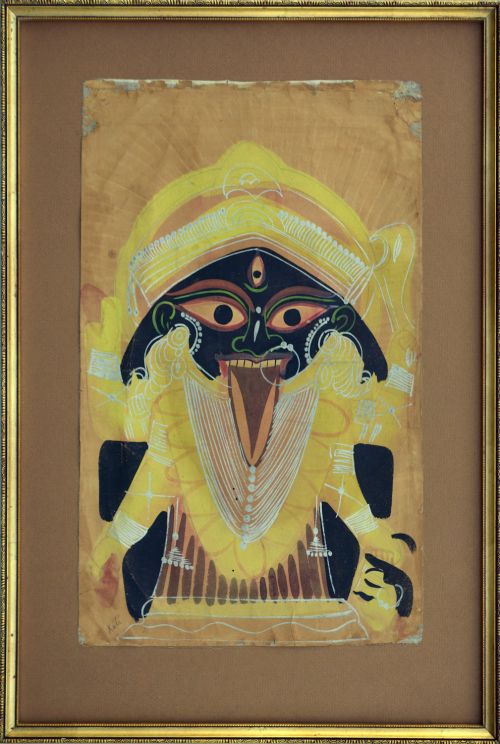
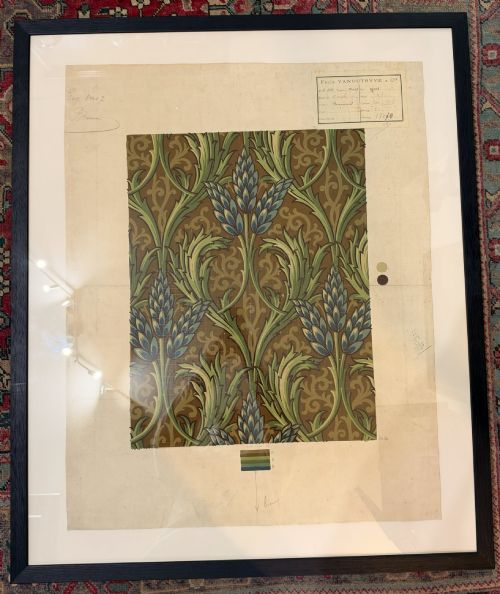
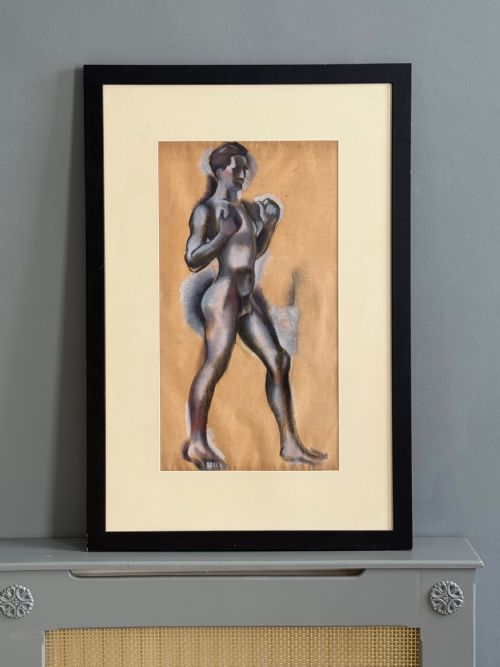
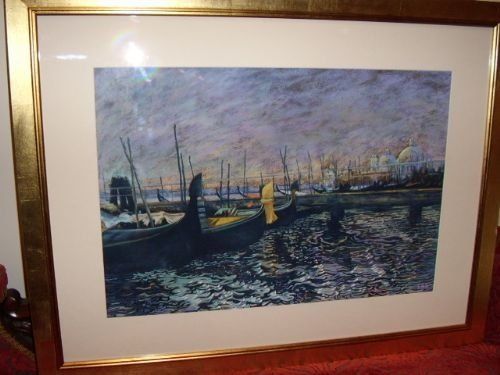
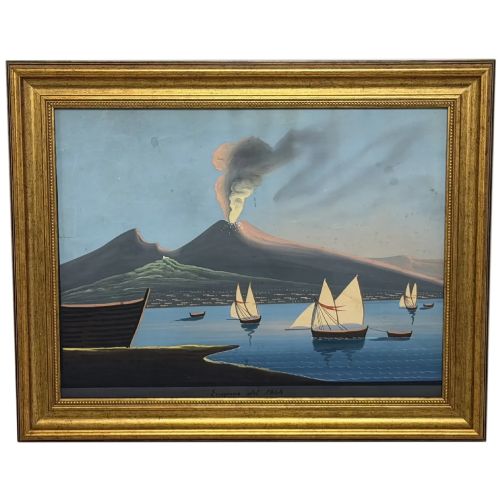
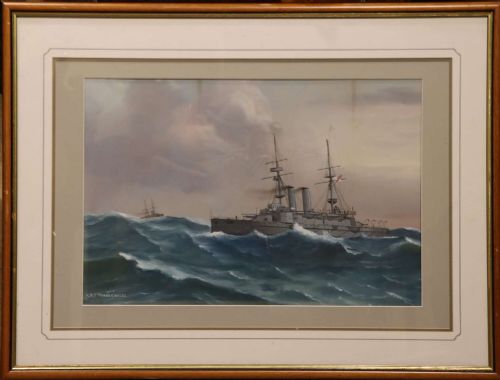
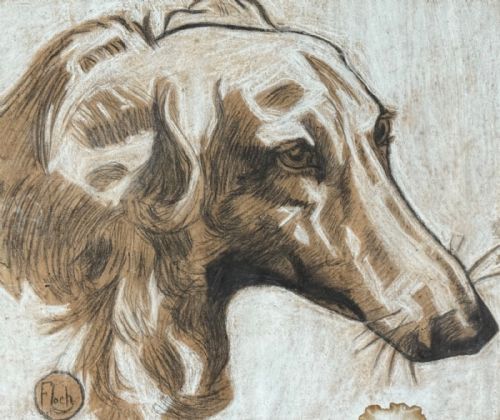
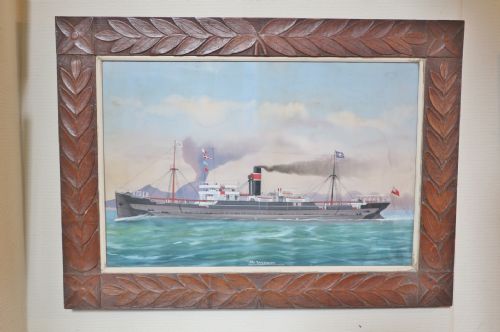
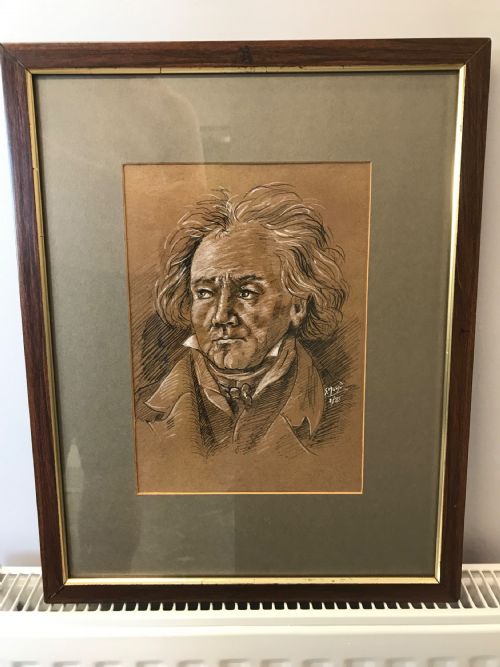
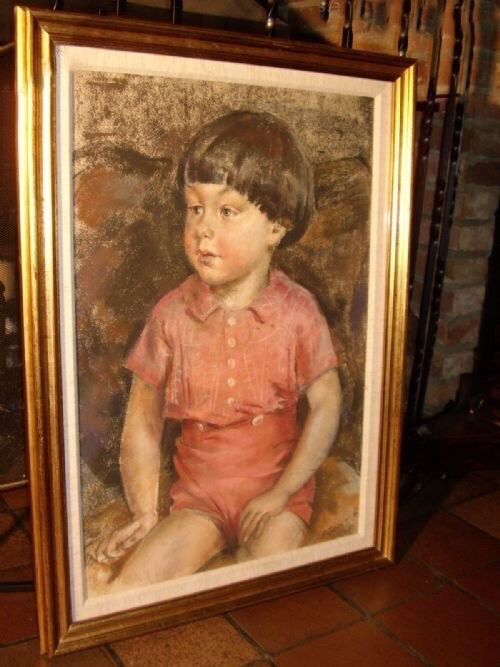
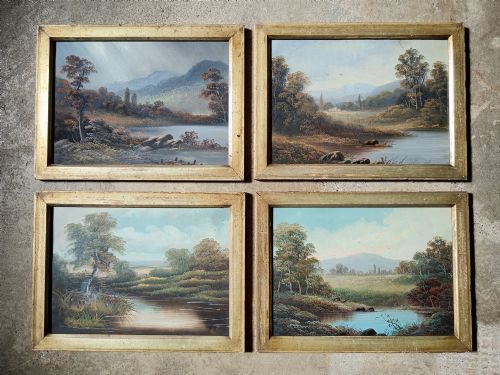
Vintage gouache covers a broad sweep of works on paper, canvas, and board, ranging from nineteenth-century Italian landscapes and pith paintings to mid-century modern poster designs and animal studies. Buyers seeking vintage gouache encounter framed paintings, maritime scenes, and portrait drawings executed with opaque water-based pigments.
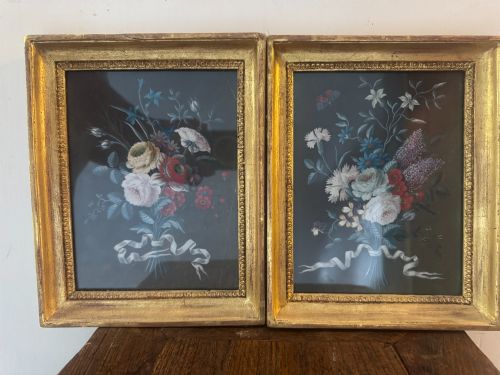
The inventory demonstrates stylistic variety across periods such as the Edwardian era, Art Deco, and mid-century modernism. Works span domestic flower still lifes, military portraits, and architectural views, reflecting the versatile application of the medium by artists working in various international schools.
How they were made
Makers of vintage gouache utilised opaque watercolours, often combining them on paper with pencil, ink washes, pastel, and occasionally collage or oil. The pigment layer relies on water-soluble binding agents mixed with a chalky base, giving these works their characteristic matte and dense surface.
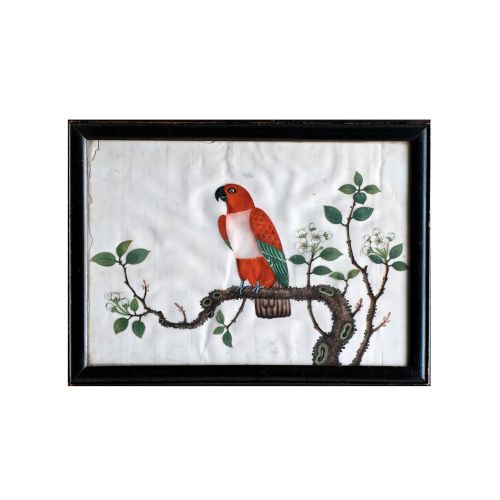
Supports vary from buff paper, board, and canvas to delicate pith and silk, frequently protected by glass within wooden or gilt frames. Artists layered these heavy opaque paints to achieve solid areas of colour alongside fine pen and ink detailing.
Vintage Gouache Retail Price Guide 2026
Typical asking prices for vintage gouache among the pieces listed under this phrase on Sellingantiques today, from the lower quarter to the upper quarter. They describe what is for sale here now, not the wider market.
Listings feature works spanning the nineteenth century through the 1960s, incorporating styles from Art Deco to Mid-Century Modern.
What varies in quality
The quality of vintage gouache rests upon the execution of the brushwork, the handling of light and opacity, and the clarity of the composition. Stronger pieces display confident draftsmanship beneath the pigment layer, whether capturing maritime rigging, botanical precision, or dynamic movement in animal studies.
Condition of the delicate paper, silk, or board support influences the integrity of the work, alongside the survival of original framing materials such as wood and glass. Works attributed to named artists or distinct cultural movements command greater interest among collectors of works on paper.
Karel Dujardin·Frank Dobson·John Rattenbury Skeaping·Vincenzo D’Esposito·Dame Laura Knight
The Vintage Gouache Glossary
- Gouache
- An opaque water-based paint consisting of pigment, water, and a binding agent such as gum, often featuring a chalk filler to create a matte finish. This medium allows artists to build solid blocks of colour that can be reworked.
- Pith painting
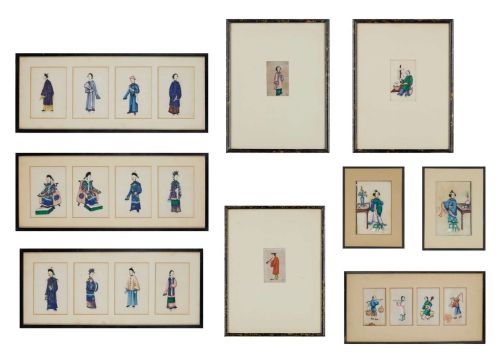
- Artwork created on thin sheets of spongy plant material native to Asia, particularly popular in nineteenth-century export art. These fragile supports require careful preservation behind glass.
- Watercolour
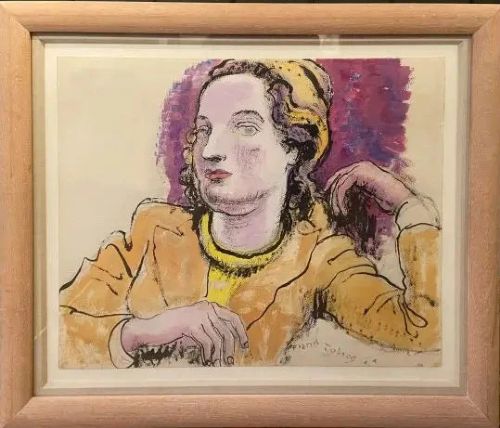
- A transparent water-based medium frequently combined with gouache in the same composition. Artists use watercolour for translucent washes and apply gouache over top to add opaque highlights.
- Buff paper
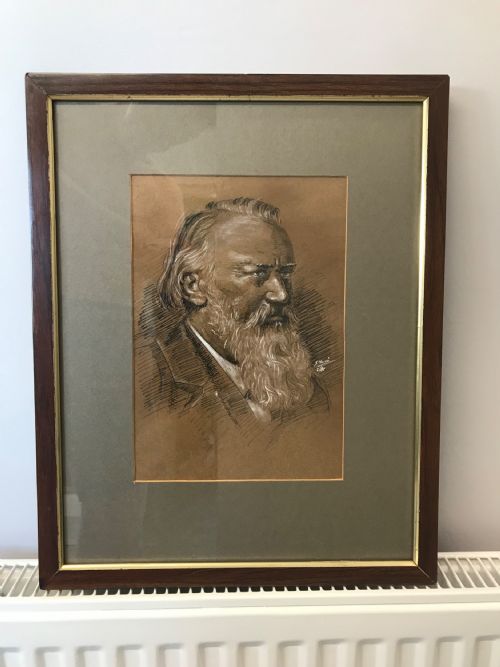
- A warm, light brownish-yellow paper stock used as a toned ground for drawings and paintings. The neutral background allows white gouache highlights and dark pencil lines to stand out with high contrast.
Vintage Gouache: Frequently Asked Questions
What is vintage gouache?
Vintage gouache comprises paintings and works on paper created using opaque water-based pigments across various historical periods. These pieces include landscapes, portraits, and maritime scenes.
Artists utilise the heavy pigment properties to achieve dense colour and matte finishes on supports ranging from paper and board to silk.
How do I care for gouache paintings?
Gouache paintings on paper require framing behind glass to protect the delicate pigment and support from dust, moisture, and handling damage. Keeping them away from direct sunlight prevents fading of the water-based colours.
Environmental stability in room temperature and humidity preserves both the paper support and any wooden or gilt frames housing the artwork.
How do gouache and watercolour differ?
Watercolour is transparent, allowing light to pass through the pigment and reflect off the white paper beneath. Gouache includes added chalk particles that make the paint opaque, blocking out the background entirely.
Artists frequently combine both mediums in a single work to contrast translucent washes with solid, opaque highlights.
Are these works painted on paper?
Many vintage gouache pieces are executed on paper, including buff paper, card, and works on paper categories. Some examples utilise alternative supports such as silk, board, or plant pith.
The chosen support often relates to the period and regional origin of the piece, from Chinese export works to European maritime paintings.