

Vintage Gothic Lighting
Vintage gothic lighting brings medieval character and heavy architectural presence into a room through lanterns, chandeliers and candlesticks forged from brass, iron and glass.
Vintage Gothic Lighting
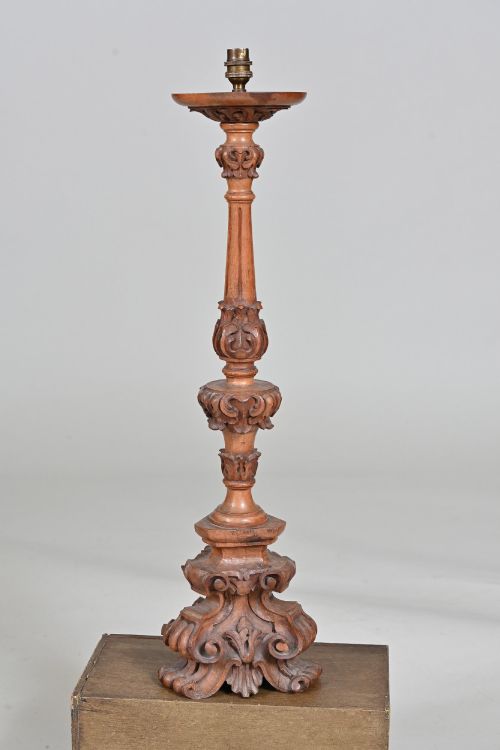
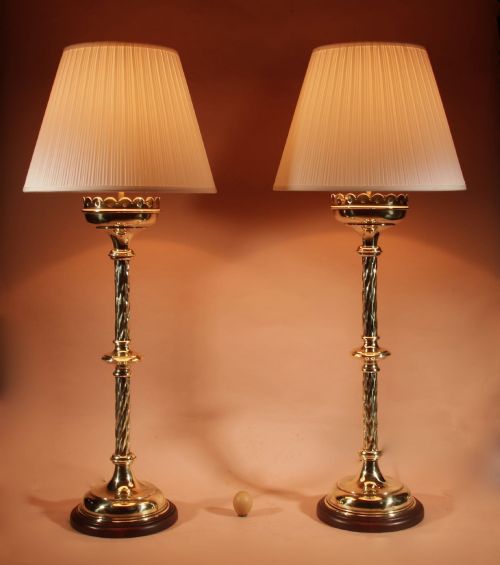
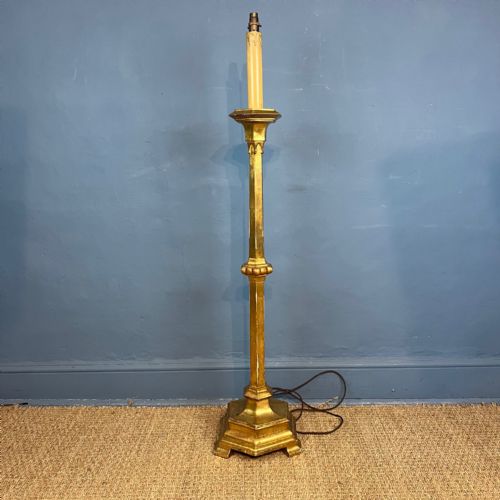
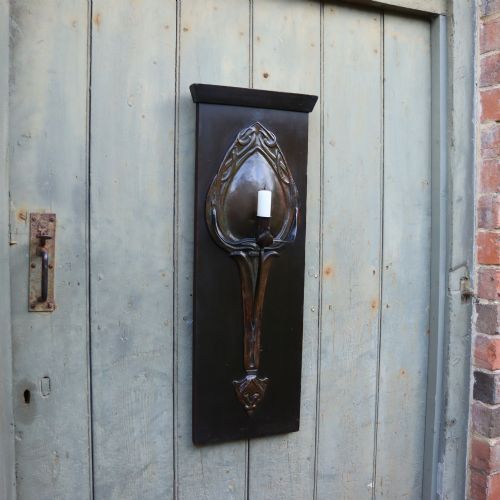
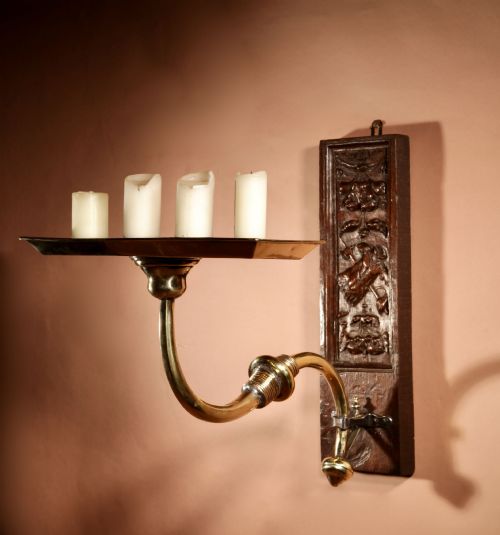
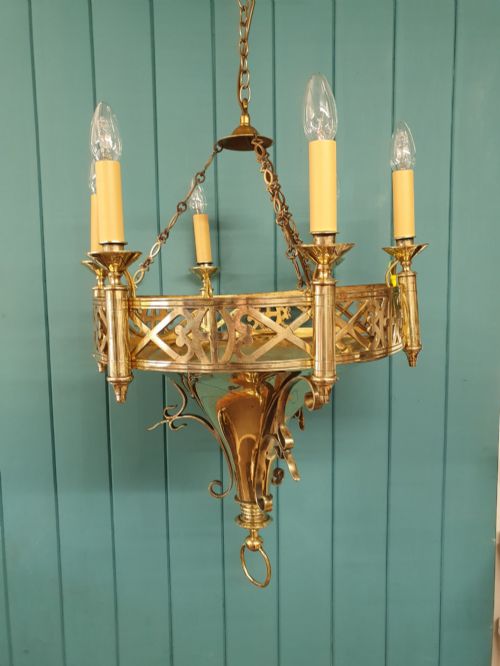
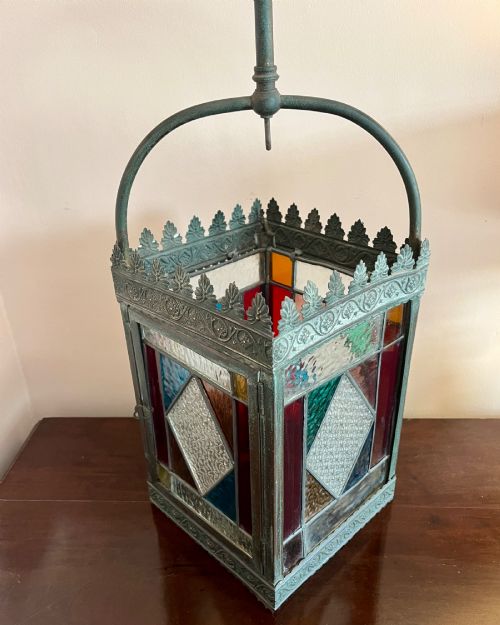
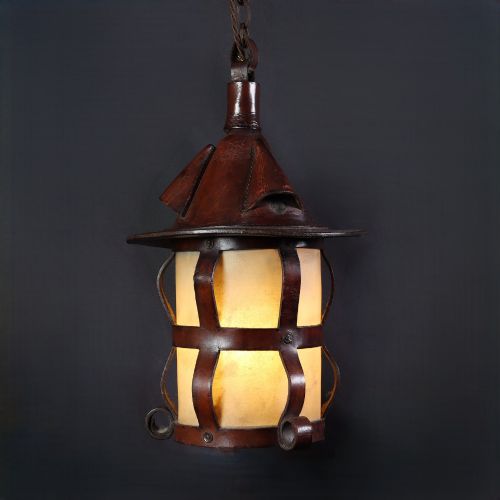
Vintage gothic lighting encompasses hanging lanterns, wall sconces, chandeliers and candlesticks drawn from Victorian, Edwardian and early twentieth century production. The selections rely heavily on church and architectural forms, channeling medieval styles through the lens of nineteenth century revival movements and the Arts and Crafts philosophy.
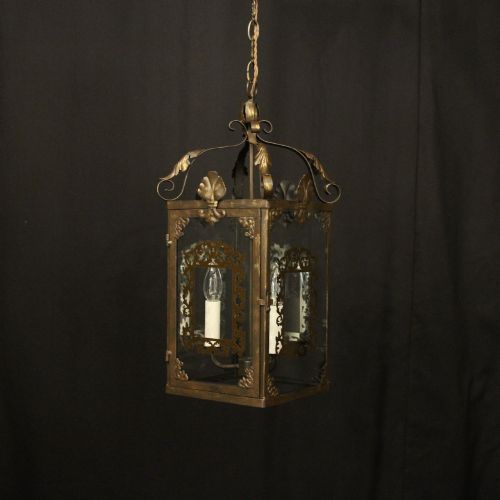
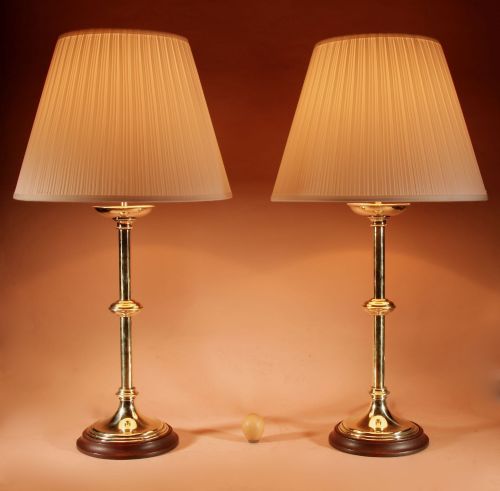
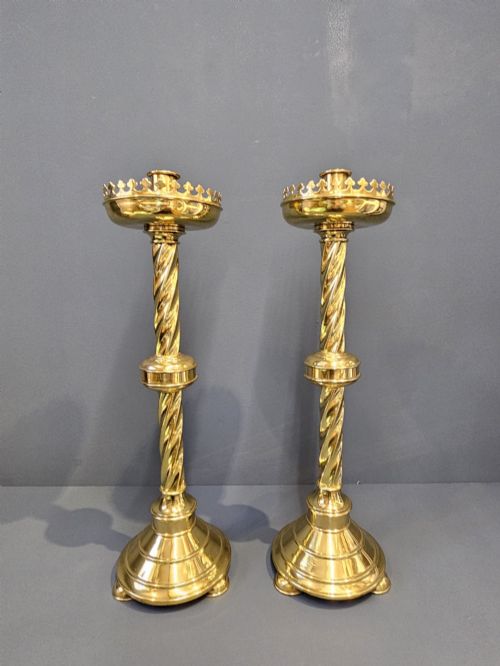
Most examples found here date from the nineteenth century up through the nineteen-twenties, incorporating sturdy metals and leaded glass. Buyers encounter sturdy brass church candlesticks, heavy iron hall lanterns, and copper or brass ceiling lights bearing distinct ecclesiastical or vernacular motifs.
How they were made
Makers utilised cast and spun brass, hand-beaten copper, and blacksmith-forged wrought iron to achieve robust structural forms. Frames frequently incorporated leaded, hand-blown or opalescent glass panels held together by traditional soldering and metalwork techniques.
Lighting fixtures combined functional metal framing with specialised components like gasolier fittings, pierced ventilation caps, and stitched leather or vellum accents. Workshops relied on manual labour, employing patination and engraving to impart an aged architectural weight.
Vintage Gothic Lighting Retail Price Guide 2026
Typical asking prices for vintage gothic lighting among the pieces listed under this phrase on Sellingantiques today, from the lower quarter to the upper quarter. They describe what is for sale here now, not the wider market.
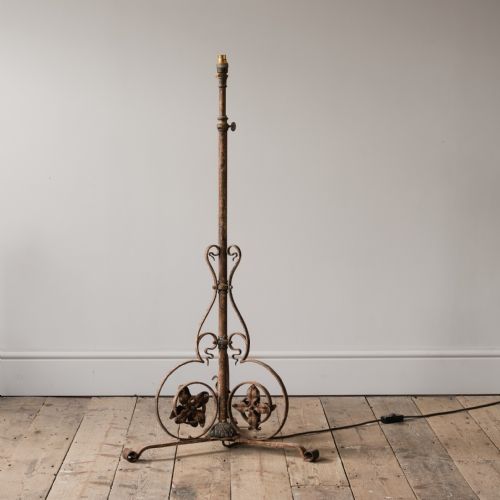
The object forms recorded here include floor lamps, wall sconces, ceiling lights, and French hunting tables alongside standard candlesticks.
What varies in quality
Quality rests in the integrity of the metalwork, the weight of the castings, and the authenticity of the period joining techniques. Heavier gauge brass, substantial wrought iron, and thick hand-blown bullseye or leaded glass distinguish superior examples from lighter commercial production.
Design execution separates standard utilitarian items from artistic interpretations of the Gothic Revival and Arts and Crafts styles. Pieces carrying documented maker marks or retaining original patination, glass panels, and mechanical adjustments command stronger attention from collectors.
Wm. Tonks & Sons
The Vintage Gothic Lighting Glossary
- Pricket
- A sharp metal spike on a candlestick designed to hold a candle in place. This form derives directly from medieval church altars.
- Gasolier
- A multi-branched lighting fixture designed to burn coal gas before the widespread adoption of electricity. Many survive converted to electric illumination.
- Candelabra
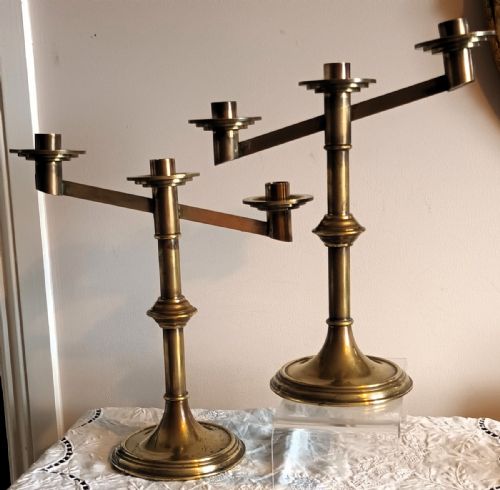
- A branched candlestick holder designed to support multiple candles simultaneously. These often feature articulated arms or heavy cast metal bases.
- Leaded glass
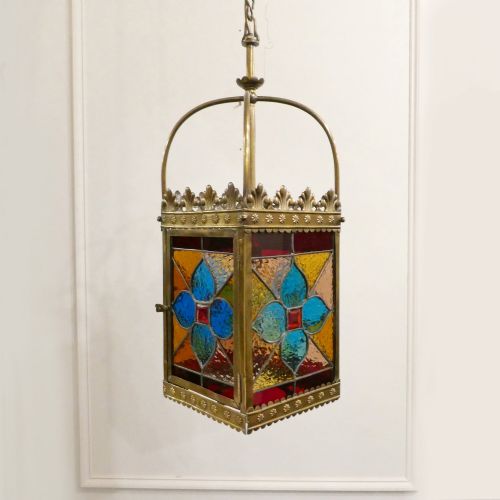
- Individual pieces of glass joined together by strips of lead cames to form a patterned window or lantern shade. This technique provides rigidity and allows for complex geometric or floral designs.
- Patination
- The surface sheen and colour acquired by metal or wood through age and oxidation. Natural patination indicates unpolished historical depth.
Vintage Gothic Lighting: Frequently Asked Questions
What is vintage gothic lighting?
Vintage gothic lighting comprises historical light fixtures and candle holders that adopt medieval architectural details like pointed arches, heavy tracery, and dark patinated metals. These objects originate primarily from the Victorian and Edwardian eras.
Items range from brass church candlesticks to heavy iron hall lanterns and copper wall sconces. They provide a dramatic focal point by introducing historic craftsmanship and substantial materials into domestic interiors.
How do I hang a heavy brass lantern?
Hanging a heavy brass or iron lantern requires locating a secure ceiling joist or installing a proper structural support box capable of bearing the total weight. Many vintage fixtures feature substantial chains or ceiling plates designed for heavy loads.
Consulting a qualified electrician ensures that the internal wiring meets modern safety standards while preserving the exterior structure. Proper weight distribution protects both the ceiling and the antique metal frame.
Can these gasolier lamps use electricity?
Many vintage gasoliers and lanterns have undergone conversion to electricity over the decades to function safely in modern homes. Electric fittings are usually introduced through existing channels without destroying the historic metal body.
When evaluating a converted fixture, check that the sockets and wiring are professionally installed and suit the scale of the original burner or candle pan. This allows safe daily use of nineteenth century designs.
How do I clean patinated brass and iron?
Cleaning patinated brass and wrought iron requires a gentle approach that preserves the aged surface rather than restoring it to a bright polish. Dusting with a soft dry cloth or using minimal warm water is usually sufficient for regular maintenance.
Harsh chemical cleaners strip away the historical patination and dull the metal surface permanently. Preserving the natural oxidation maintains the character and visual depth of the piece.