



Vintage Gold Locket Necklace
A vintage gold locket necklace holds portraits or mementos close to the heart, offering enduring sentimental charm and timeless metalwork.
Vintage Gold Locket Necklace
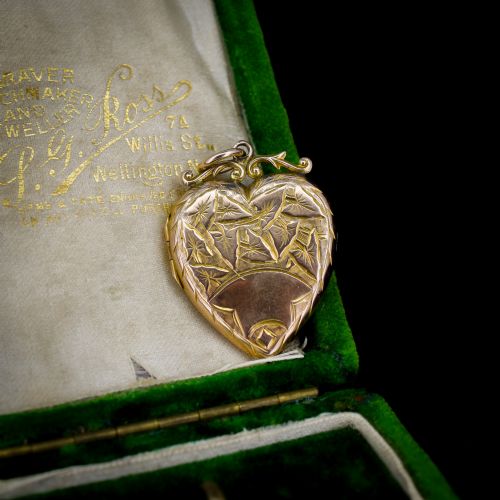
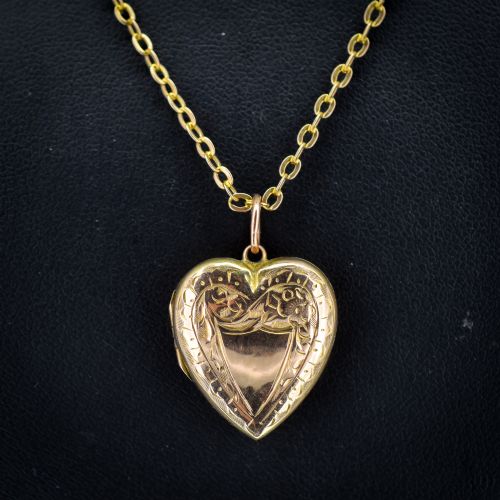
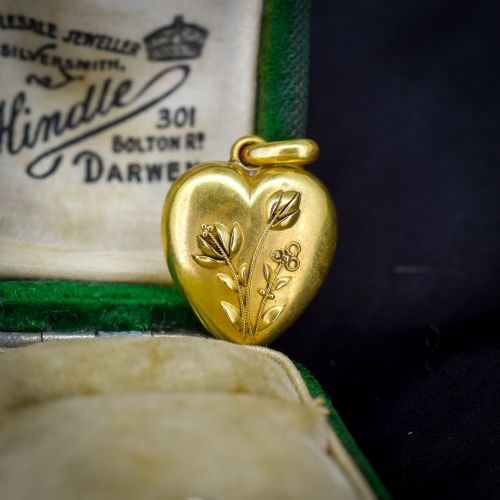
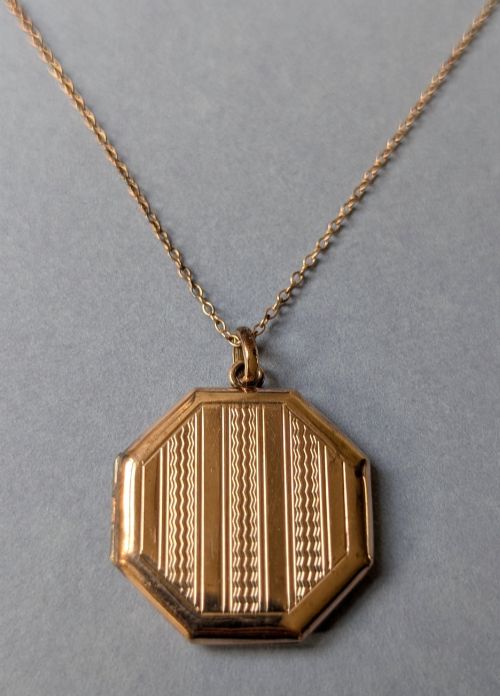
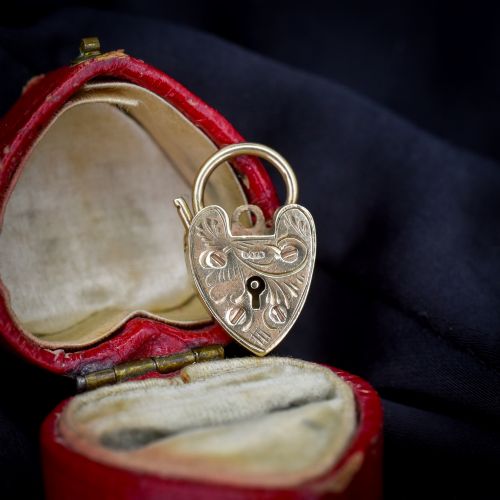
A vintage gold locket necklace brings together hinged metal pendants designed to hold keepsakes and the chains from which they hang. Buyers searching for a vintage gold locket necklace encounter various forms ranging from simple engraved hearts to elaborate double-sided hinged compartments.
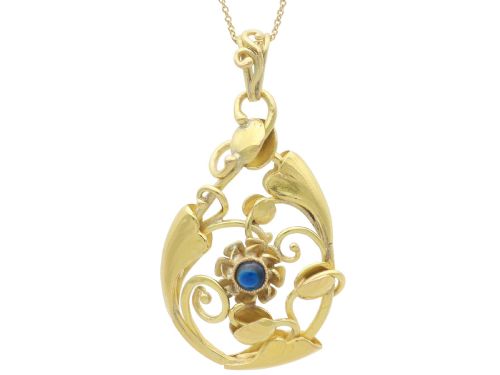
The selections span distinct periods including the Victorian era, the Edwardian period, the Arts and Crafts movement, Art Deco, and the mid-twentieth century. Most examples utilise yellow gold in nine or fifteen carat purities, alongside silver and higher carat gold compositions.
Makers and designers from Britain, France, and Vienna created these pieces, often combining pendants with matching or associated chains. Collectors find everything from compact heart charms to substantial commemorative lockets marking historical events.
Materials and Technique
Goldsmiths shaped these pieces predominantly from yellow gold, working in nine carat, fifteen carat, and eighteen carat standards, sometimes employing silver for settings. Construction involved meticulous forming of hinged plates to create secure interior compartments for photographs or hair.
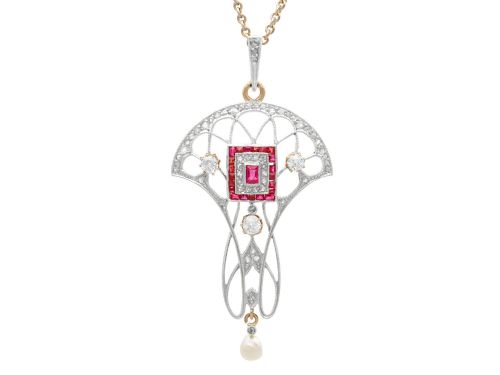
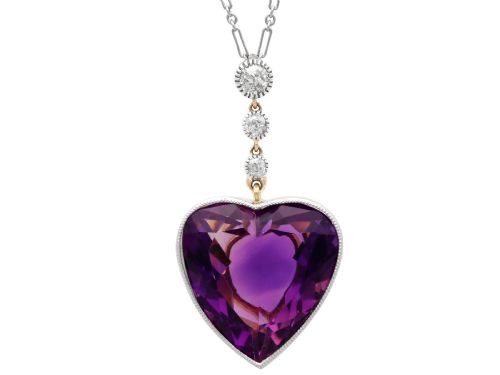
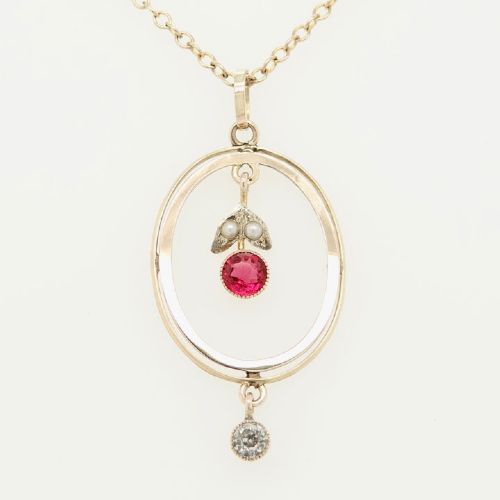
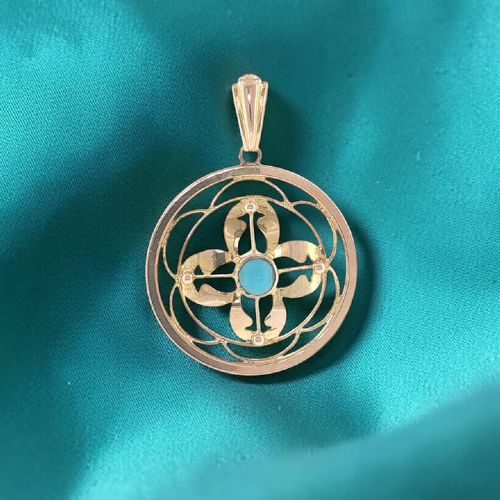
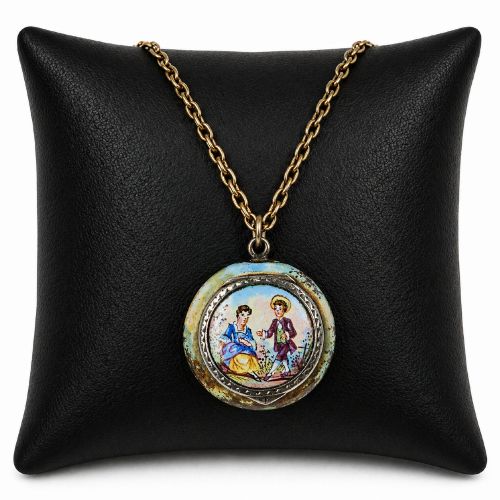
Craftsmen embellished the exterior surfaces through hand engraving, guilloché work, and applied enamel, particularly in Viennese and French workshops. Artisans set precious and semi-precious stones including seed pearls, diamonds, turquoise, amethysts, garnets, moonstones, rubies, tourmalines, and paste into the gold frames.
Vintage Gold Locket Necklace Retail Price Guide 2026
Typical asking prices for vintage gold locket necklace among the pieces listed under this phrase on Sellingantiques today, from the lower quarter to the upper quarter. They describe what is for sale here now, not the wider market.
Some lockets conceal hidden love tokens behind double-sided glass panels designed to keep two different whispers close.
Assessing Quality
The distinction between standard commercial production and finer work lies in the crispness of the hand engraving and the structural integrity of the tiny hinges. Superior examples exhibit precise closure of the locket halves and well-balanced proportions between the pendant body and its suspension loop.
Material selection and gemstone integration also dictate the standard of a piece, with natural pearls, well-matched diamonds, and clean amethysts or tourmalines elevating the work. Maker attribution, such as pieces linked to notable designers or specific regional workshops, further separates ordinary production from exceptional items.
John Paul Cooper·GALLIA
The Vintage Gold Locket Necklace Glossary
- Back and front
- A method of locket construction where the outer bezels and decorative front are made of gold, while the internal plates are base metal. This technique provided the appearance of solid gold while keeping the item lighter to wear.
- Guilloché
- An ornamental engraving technique executed on a metal surface by a mechanical machine that produces precise, intricate patterns. Craftsmen often applied translucent enamel over this engine-turned background.
- Paste
- Hand-cut glass or lead crystal used as an imitation gemstone in antique jewellery. High quality paste stones were faceted by hand and carefully set into precious metal.
- Seed pearl
- Very small natural or saltwater pearls, typically under two millimetres in diameter. Jewellers drilled and threaded them onto fine silk or wire to create clustered floral or geometric motifs.
- Rose cut
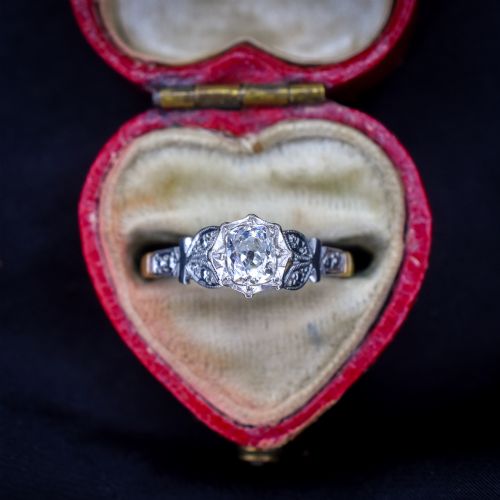
- An antique diamond cut featuring a flat base and a domed crown composed of triangular facets arranged in a symmetrical pattern. This cut was popular before the development of modern brilliant faceting.
Vintage Gold Locket Necklace: Frequently Asked Questions
What goes inside a vintage gold locket necklace?
These lockets were traditionally used to store miniature painted portraits, silhouettes, dried botanical specimens, or locks of hair belonging to loved ones.
Modern wearers continue this tradition by inserting small photographs cut to fit the interior bezel frames.
How do I date a vintage gold locket necklace?
Dating relies on examining the hallmark stamps, the style of the engraving, and the structural design of the hinge and clasp mechanisms. Victorian and Edwardian pieces often feature distinct floral motifs or gemstone combinations characteristic of those eras.
Assay office marks and gold carat stamps provide further chronological markers for British and European items.
Can I wear a vintage gold locket necklace every day?
Wearing these pieces daily is possible with mindful care, particularly regarding the delicate hinge and clasp components. Older gold is softer than modern alloy mixtures, so removing the necklace before rigorous activity prevents wear.
Checking the security of the internal snap closure ensures the keepsake remains safely enclosed.
How do I clean a vintage gold locket necklace?
Cleaning requires a soft microfibre cloth to gently remove surface oils and dust from the exterior gold and gemstone settings. Harsh chemical dips or ultrasonic cleaners should be avoided because they can damage softer stones like pearls, turquoise, or enamel work.
Moisture must be kept away from the interior paper photographs or hair compartments during any surface wiping.