
Vintage Gold Cluster Ring
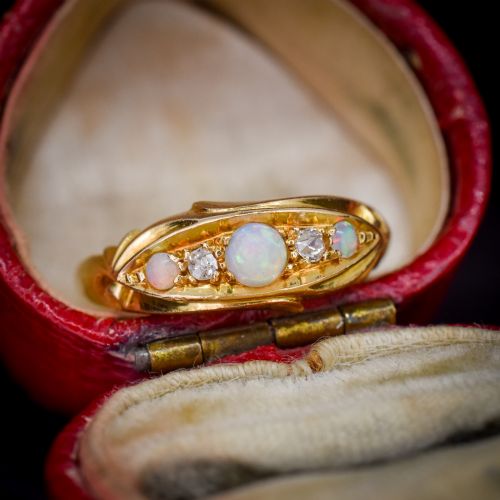
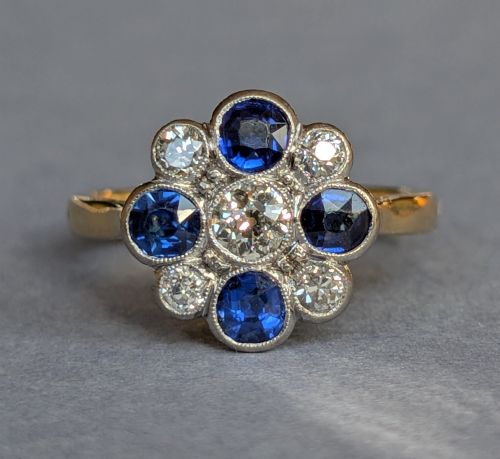
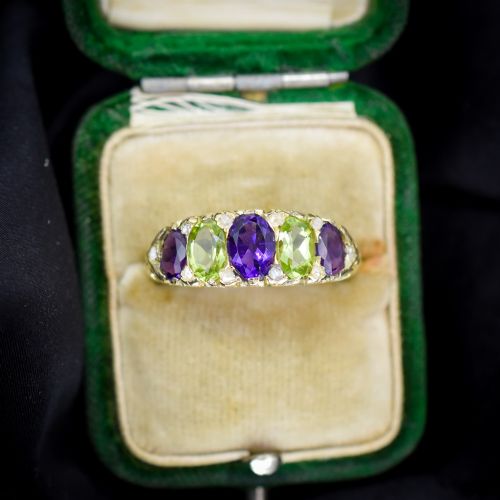
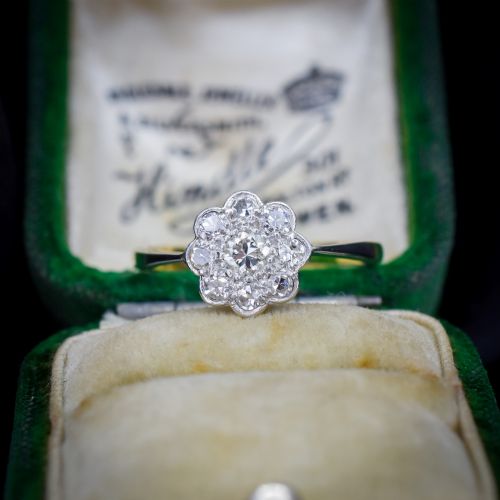
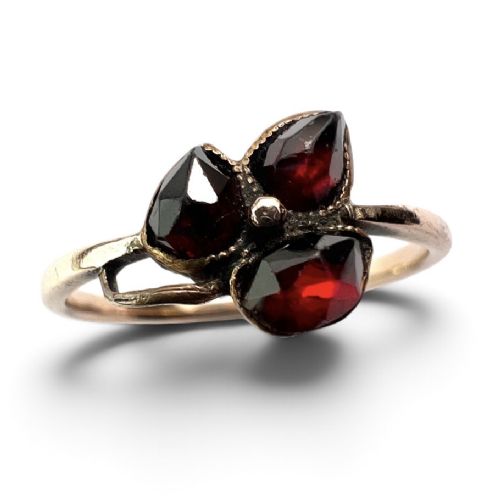
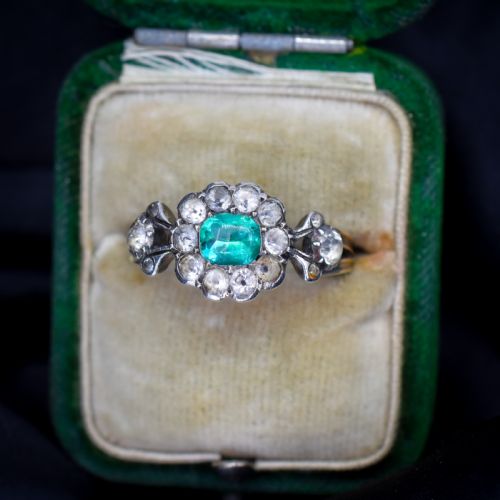
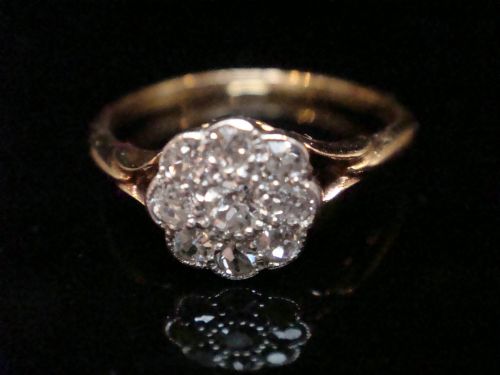
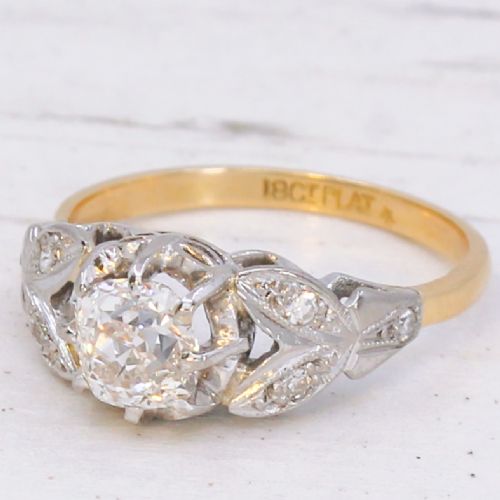
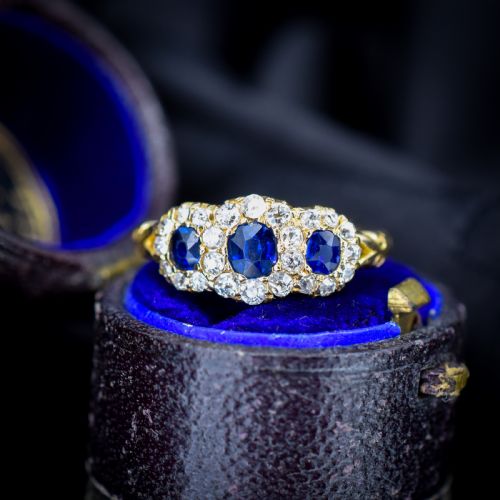
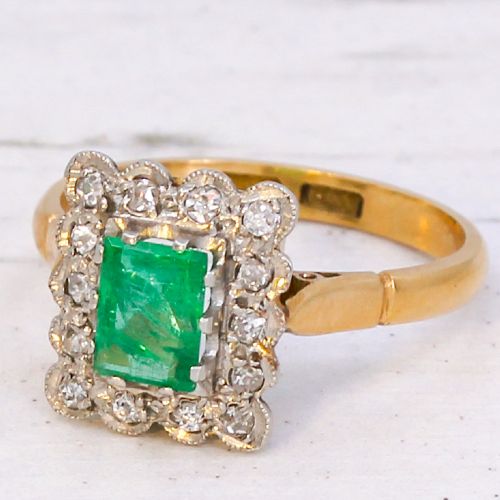
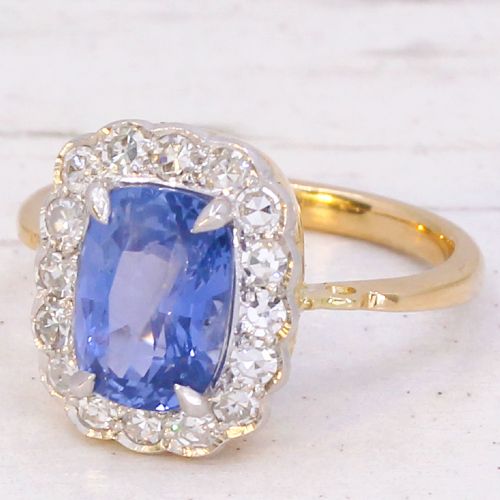
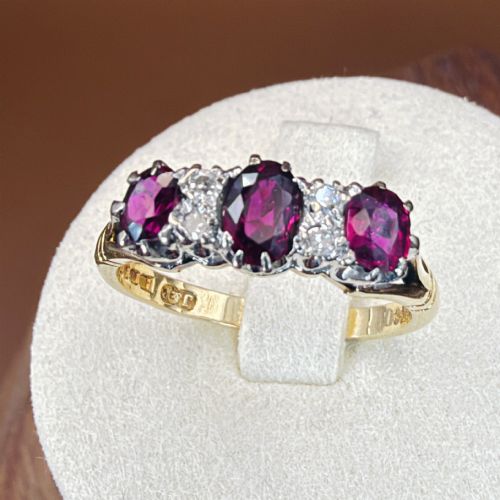
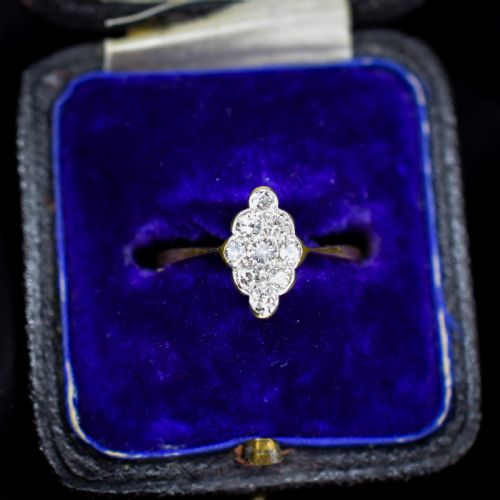
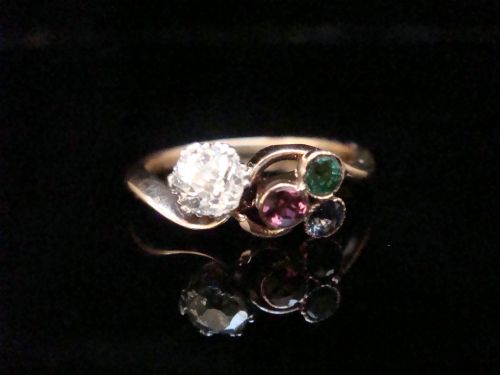
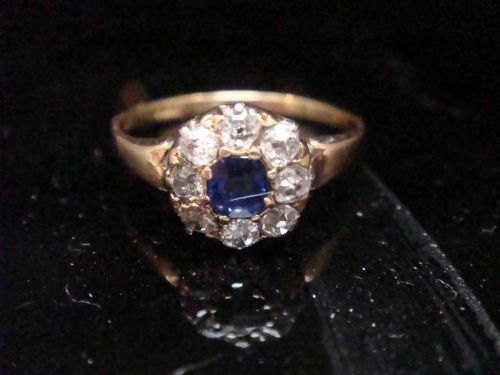
A vintage gold cluster ring brings together a central gemstone encircled by smaller stones, offering the unmistakable presence of Edwardian and mid-century design.
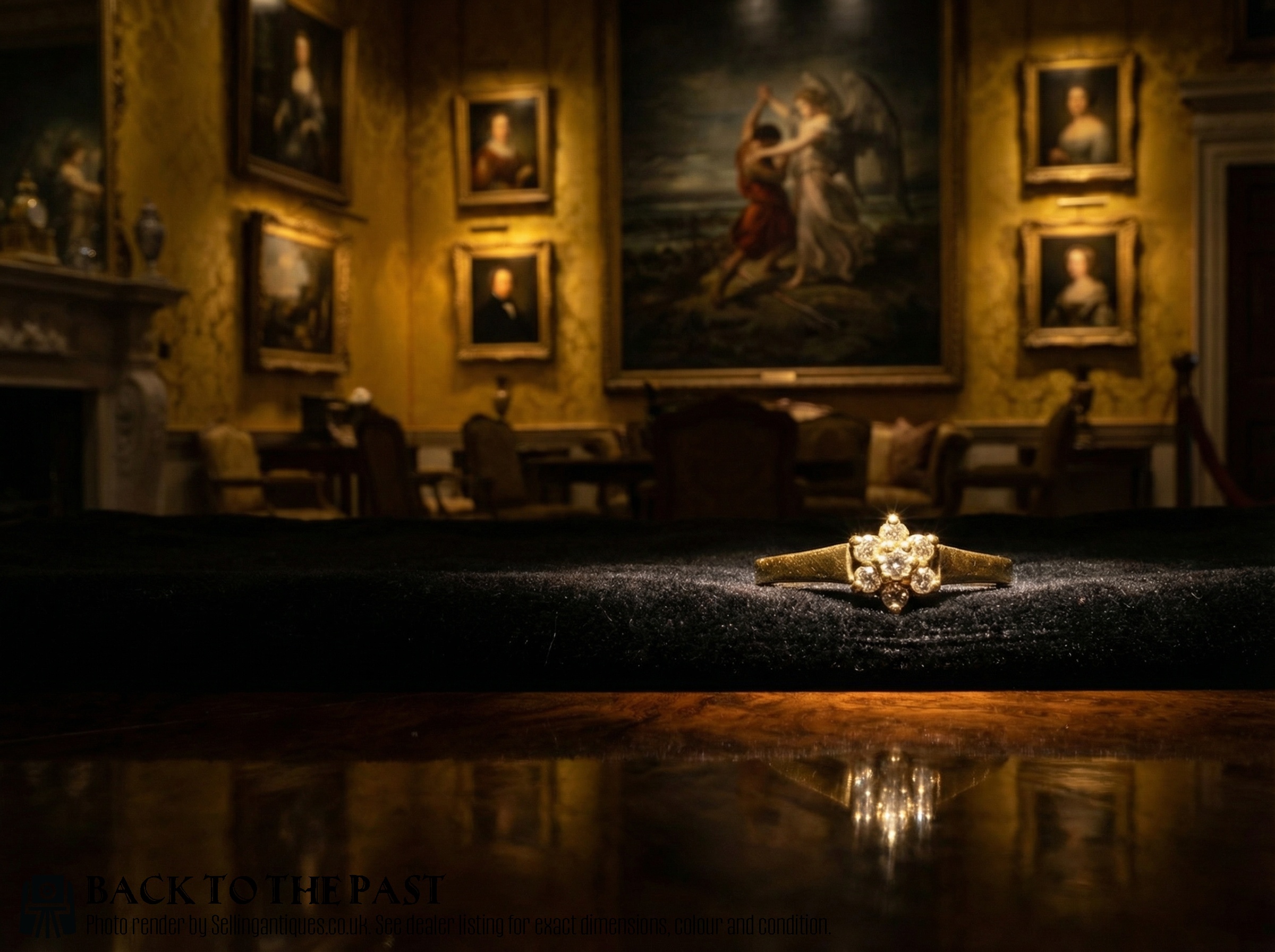
Vintage Gold Cluster Ring
A vintage gold cluster ring groups gemstones into a distinct central arrangement, most commonly taking the form of a floral or daisy motif. These pieces span periods from the Edwardian era through the nineteen-forties, fifties, sixties, and later decades.
The materials paired with the gold settings include diamonds, sapphires, rubies, emeralds, garnets, amethysts, opals, and pearls. Yellow gold, white gold, rose gold, and platinum provide the mountings for these stones.
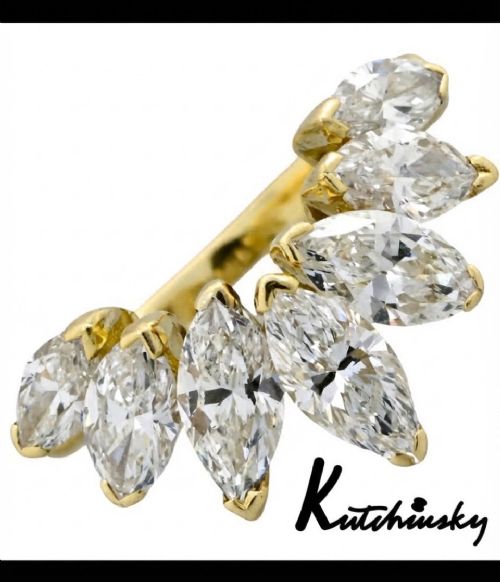
Buyers encountering this search phrase find rings alongside occasional earrings, though the primary focus remains on finger adornments. The scale ranges from delicate dress rings to bolder cocktail bombe designs.
Materials and construction
Goldsmiths utilised nine carat, eighteen carat, and twenty-two carat gold, alongside platinum, to build durable settings for clusters of diverse gems. Stones such as diamonds, rubies, and sapphires were set securely using claws or bezels.
Construction techniques include traditional hand-finishing, evident in Edwardian platinum-topped gold work and later cast mid-century mounts. Gemstones such as opal, turquoise, coral, and pearl were integrated alongside faceted stones.
Vintage Gold Cluster Ring Retail Price Guide 2026
Typical asking prices for vintage gold cluster ring among the pieces listed under this phrase on Sellingantiques today, from the lower quarter to the upper quarter. They describe what is for sale here now, not the wider market.
The documented periods span from the Edwardian era through the nineteen-forties, fifties, sixties, and later decades.
Distinctions in quality
Quality rests on the selection and matching of the gemstones, where uniform colour and clean cutting elevate the piece. The precision of the setting work, particularly in multi-stone clusters, dictates the overall harmony of the design.
Heavier gold weight and clear hallmarks add substance and verify the origin. A well-preserved mount maintains crisp metal edges and secure stone retention.
Julius Cohen
The Vintage Gold Cluster Ring Glossary
- Cluster ring
- A ring featuring a central gemstone surrounded by a border of smaller stones. This arrangement maximises visual impact and light reflection.
- Daisy design
- A specific cluster formation where a central stone is encircled by rounded petal stones. This floral motif appears frequently in Edwardian and mid-century pieces.
- Cocktail ring
- A large, showy ring worn for evening wear, often incorporating high-carat gold and substantial gem clusters. These pieces date prominently to the mid-twentieth century.
- Hallmark
- An official stamp struck into precious metal indicating purity and origin. British marks often reveal assay offices and specific production years.
- Old cut
- A diamond cutting style preceding modern brilliant cuts, characterised by a smaller table and larger facets. These stones display a softer candlelit glow.
Vintage Gold Cluster Ring: Frequently Asked Questions
What defines a cluster ring?
A cluster ring relies on a central stone encircled by a border of smaller gems. This layout creates the illusion of a larger single stone or a distinct floral pattern.
Craftspeople utilised this formation across Edwardian and mid-century periods to showcase diverse colour combinations using gold and platinum.
How do I care for my ring?
Precious metals and mixed gemstone clusters require gentle cleaning with warm soapy water and a soft brush. Avoid harsh ultrasonic cleaners, particularly when soft stones like opals or pearls are present.
Store the ring separately from harder jewellery to prevent scratching the gold shank or softer gems like emeralds.
Are these rings suitable for daily wear?
Sturdier mountings in eighteen carat or twenty-two carat gold handle regular wear well, provided the stone settings remain secure. Rings featuring softer materials like opal or pearl demand greater caution against knocks.
Checking the claws periodically ensures the clustered stones stay firmly anchored during everyday use.
How are different periods identified?
Edwardian examples often pair platinum with yellow gold in delicate openwork, while nineteen-forties and fifties pieces lean toward bolder yellow gold settings. Hallmarks stamped inside the band provide definitive dating evidence.
Stylistic cues, such as floral motifs or cocktail proportions, further help distinguish between eras.