


Vintage Gold Bead Jewellery
Vintage gold bead jewellery brings together glowing metal spheres and pearls, offering versatile necklaces, bracelets, and earrings spanning the Victorian era to the mid-century.
Vintage Gold Bead Jewellery
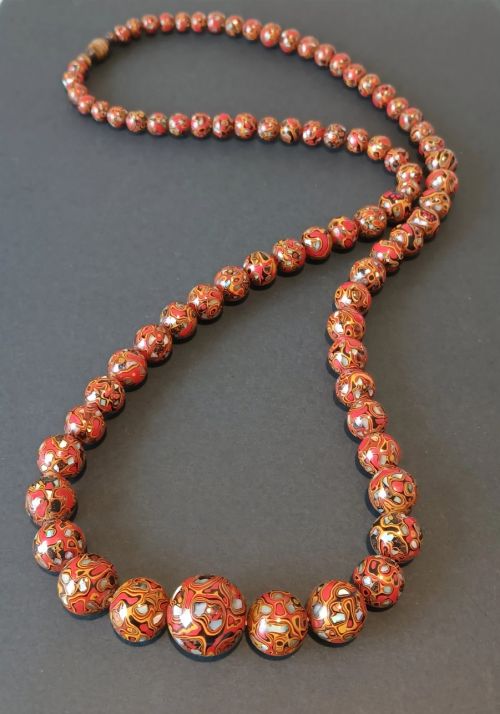
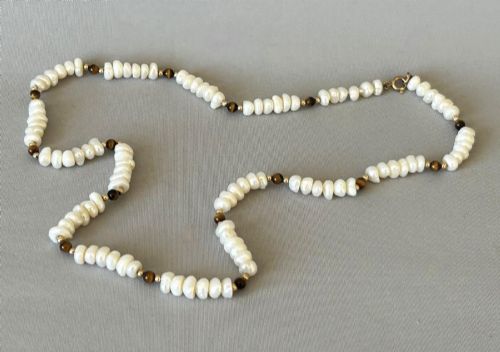
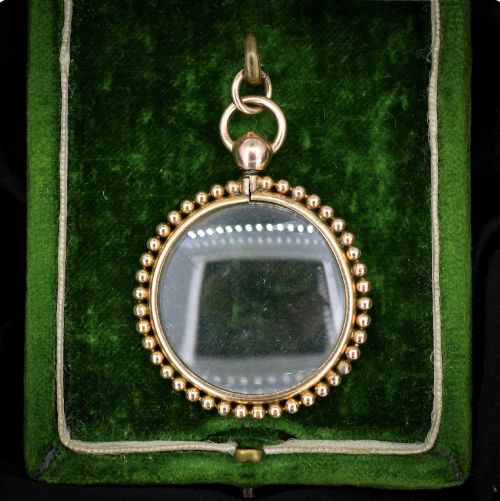
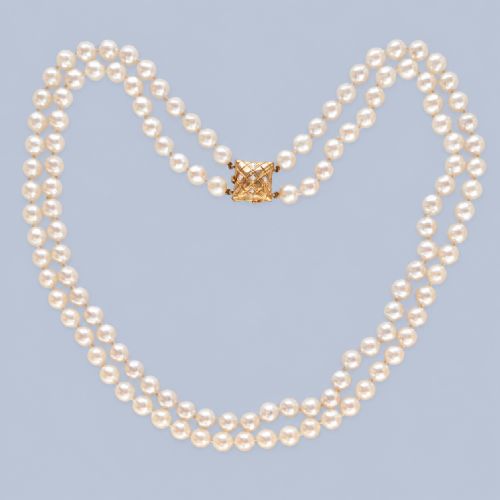
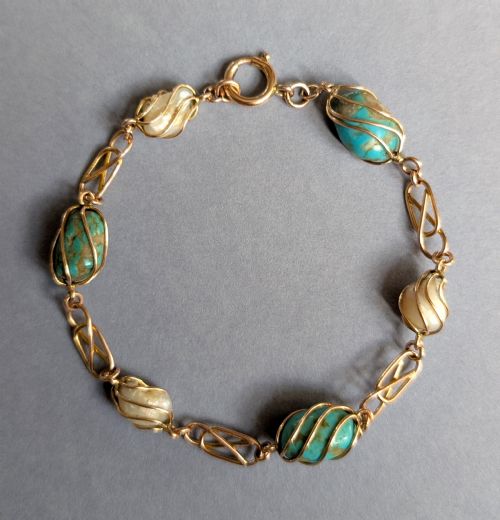
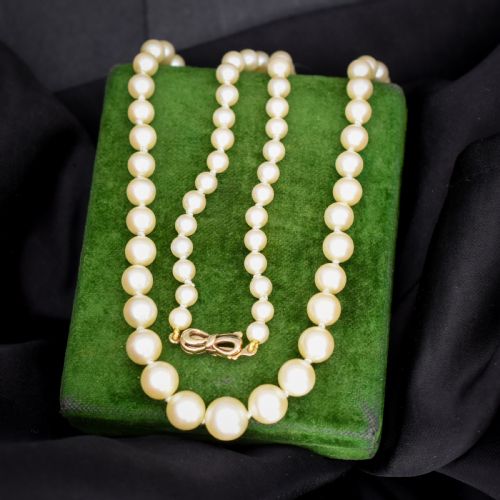
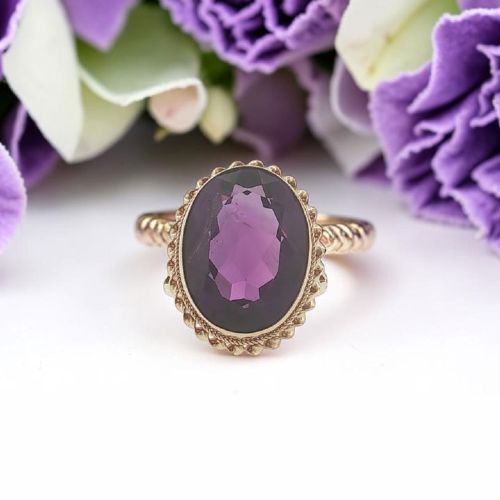
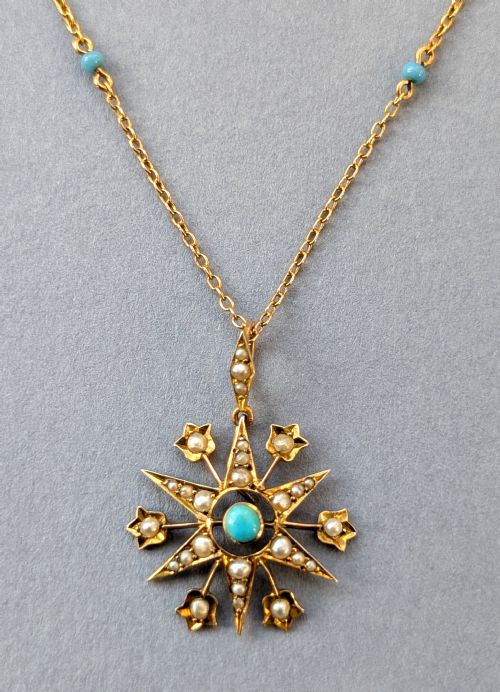
When you search for vintage gold bead jewellery, you encounter a diverse collection of necklaces, bracelets, earrings, and rings adorned with spherical elements. These ornaments range from Victorian seed pearl and turquoise pieces to mid-century pearl strands featuring precious metal clasps.
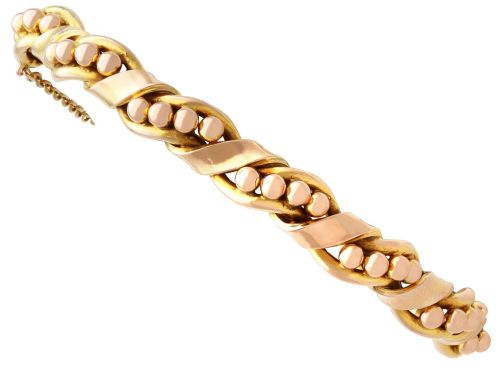
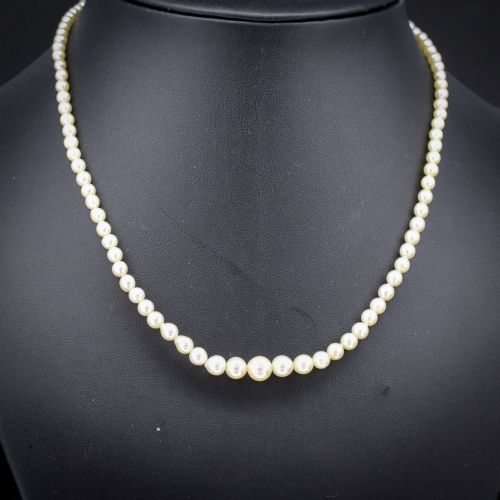
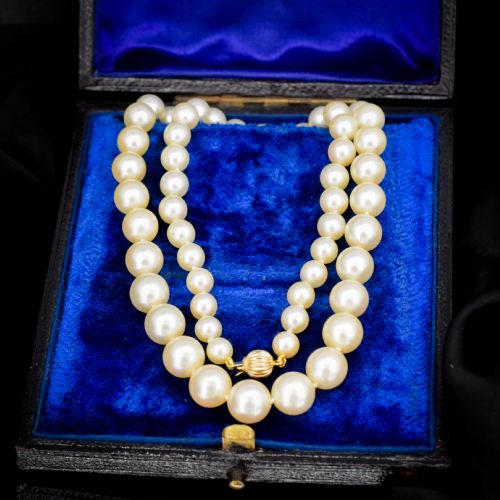
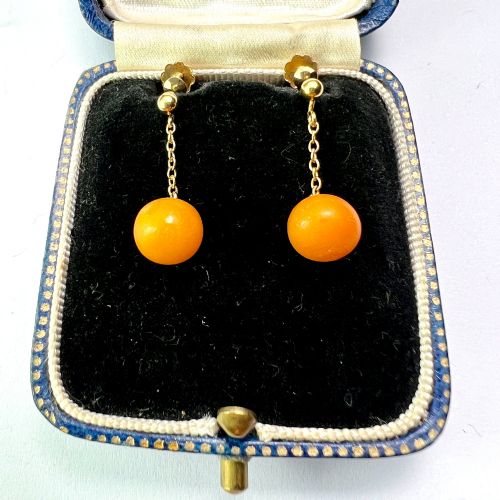
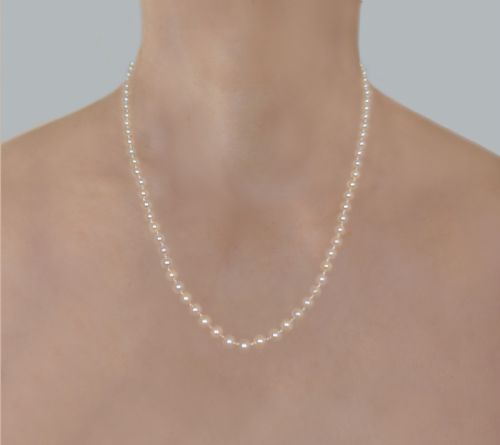
You are most likely to meet graduated pearl necklaces strung alongside gold beads, alongside solid gold bangles and gemstone-accented drop earrings. The selection draws on materials and styles from the nineteenth century through the 1970s, representing traditional and period aesthetics.
Materials and construction
The pieces rely on a foundation of 9ct, 14ct, 15ct, and 18ct gold, sometimes paired with silver gilt, platinum, or gold on silver. This precious metal work combines with organic and mineral elements such as freshwater and cultured pearls, natural un-dyed red coral, turquoise, amber, amethyst, garnet, emerald, diamond, and glass.
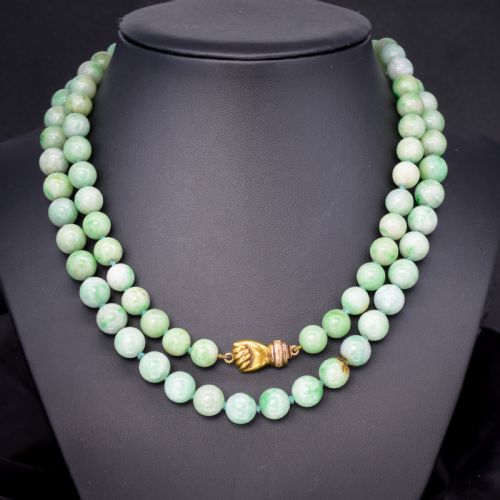
Construction techniques involve stringing graduated or uniform beads alongside specialised clasps, including figa hand motifs and diamond-set box closures. Earrings utilise screwback or drop mechanics, while bangles and rings demonstrate solid metal forming and stone setting.
Vintage Gold Bead Jewellery Retail Price Guide 2026
Typical asking prices for vintage gold bead jewellery among the pieces listed under this phrase on Sellingantiques today, from the lower quarter to the upper quarter. They describe what is for sale here now, not the wider market.
The listings feature pieces spanning the Victorian era, Edwardian period, 1920s, 1930s, 1940s, 1950s, 1960s, and 1970s, utilising materials from coral and amber to diamonds.
What separates the finest pieces
Quality rests upon the selection and matching of the beads, whether uniform pearls, carefully graded natural coral, or faceted gemstones. Finer examples display meticulous attention to stone pairing, symmetrical graduation, and secure stringing that maintains the integrity of the piece over decades.
The sophistication of the clasp often dictates the standing of an item, shifting from simple functional fasteners to intricate closures set with diamonds, sapphires, or platinum work. Hallmarking clarity and the integration of regional craftsmanship, such as French or Dutch provincial provenance, further distinguish the range.
The Vintage Gold Bead Jewellery Glossary
- Graduated
- A design where beads increase incrementally in size toward the centre of a strand. This technique ensures a balanced and visually appealing drape around the neck.
- Seed Pearl
- Very small, naturally occurring pearls often used in clusters or delicate Victorian jewellery. They provide a fine, textured contrast to polished gold work.
- Figa Hand
- A clenched fist gesture used as an amuletic clasp or pendant symbolising protection. It appears frequently in antique designs to ward off the evil eye.
- Screwback
- An earring finding that uses a threaded screw mechanism on a post to secure the piece to an unpierced earlobe. This fastening was common in Edwardian and mid-century designs.
- Silver Gilt
- Silver that has been coated with a thin layer of gold. This technique offered the rich appearance of solid gold while utilising a more accessible base metal.
Vintage Gold Bead Jewellery: Frequently Asked Questions
How do I care for pearl and gold jewellery?
Pearls require gentle cleaning with a soft, damp cloth and should be kept away from harsh chemicals, perfumes, and cosmetics. Storing them flat helps prevent undue stretching on older silk threads.
Regular checks by a jeweller ensure that strung pieces remain secure, particularly if the silk shows signs of wear or fraying near the clasp.
Are these necklaces original to their periods?
Many pieces retain their original clasps, beads, and settings as recorded from the Victorian era through the 1960s. Certain items may have undergone professional restringing to maintain their structural integrity for daily wear.
Examining the metal hallmarks, clasp mechanisms, and bead uniformity helps confirm the period authenticity of each specific necklace or bracelet.
What is the difference between cultured and freshwater pearls?
Cultured pearls are grown with human assistance by implanting a nucleus into an oyster or mollusc, yielding uniform shapes commonly found in mid-century designs. Freshwater pearls form naturally or with intervention in freshwater mussels, often displaying organic or baroque contours.
Both varieties appear alongside gold beads across different decades, contributing distinct textures to beaded strands.
How can I date my gold bead bracelet?
Dating relies on inspecting official hallmarks, stylistic markers such as Victorian turquoise clusters or mid-century geometric clasps, and manufacturing techniques. The presence of specific gold purities, like 15ct gold used primarily before the 1930s, offers a reliable chronological anchor.
Comparing the closure type and stone settings against documented period examples further clarifies the era of origin.