

Vintage Goblet Glasses
These vintage goblet glasses encompass centuries of drinking vessels, from Georgian balusters to Art Deco crystal.
Vintage Goblet Glasses
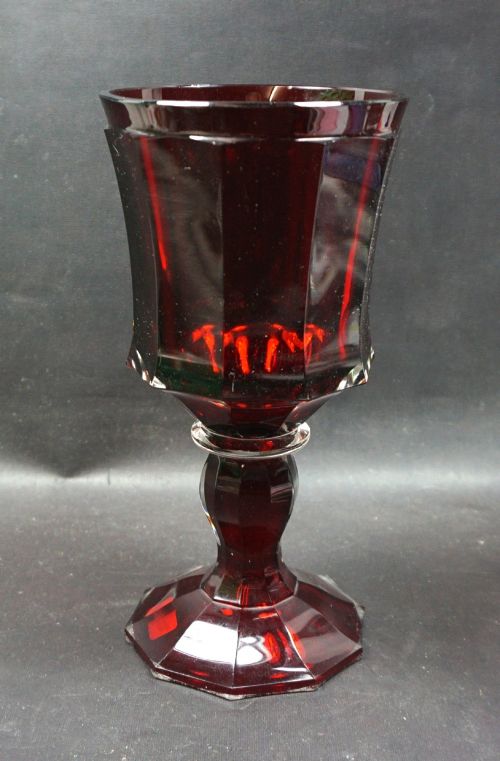
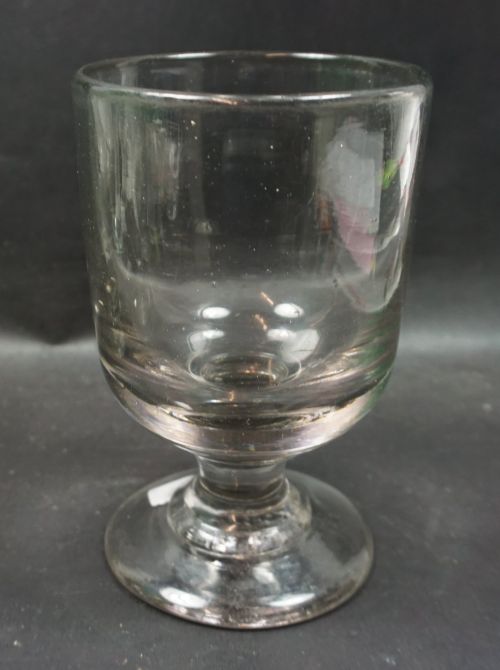
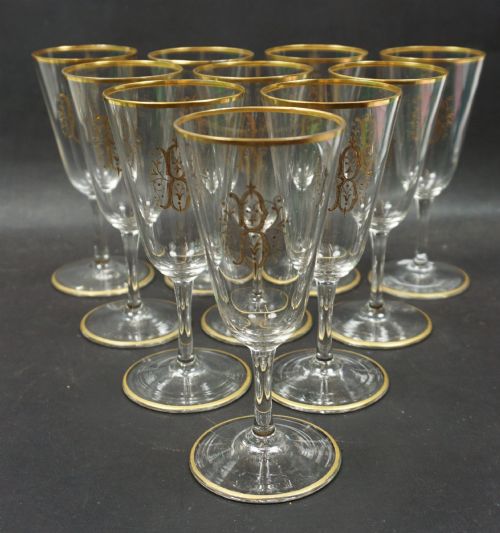
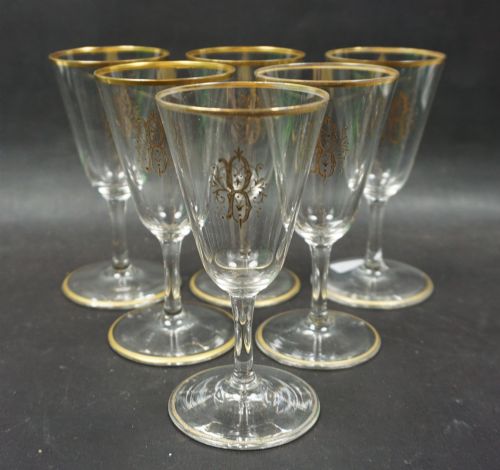
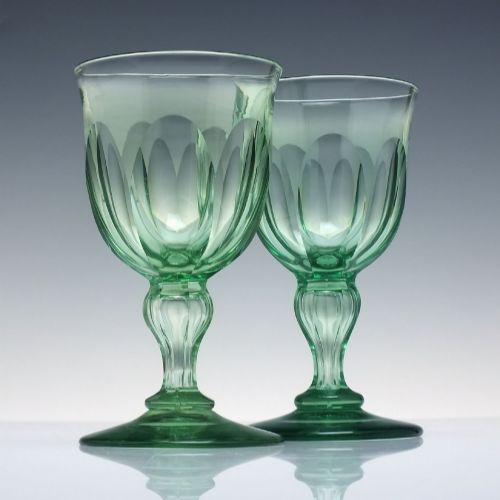
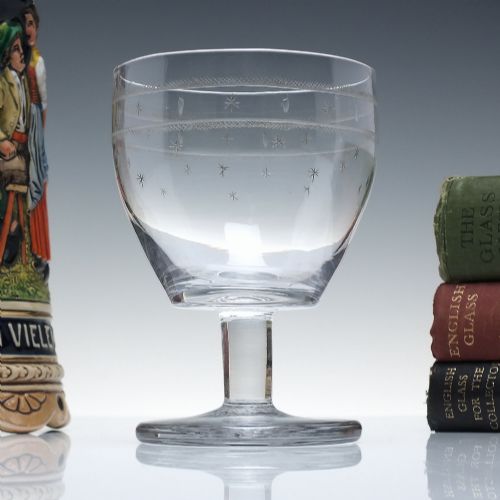
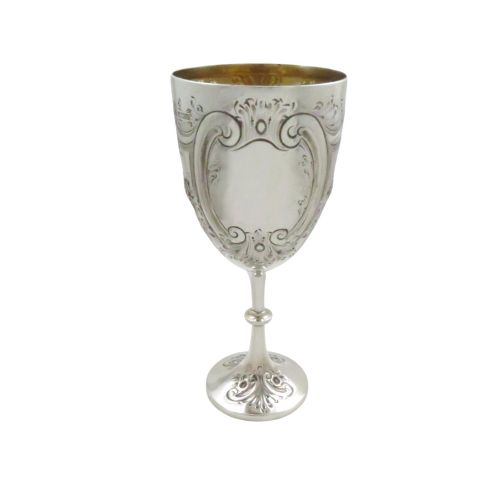
Vintage goblet glasses span a rich chronology of drinking vessels, predominantly represented by pieces from the Georgian, Victorian, and Edwardian eras. When searching for vintage goblet glasses, buyers encounter everything from heavy rummers and ale glasses to delicate wine glasses and decorative goblets.
English and continental origins dominate the selection, showcasing traditional forms alongside Art Nouveau and Art Deco designs. Buyers frequently discover sets alongside individual statement pieces originating from notable European glassworks.
How they were made
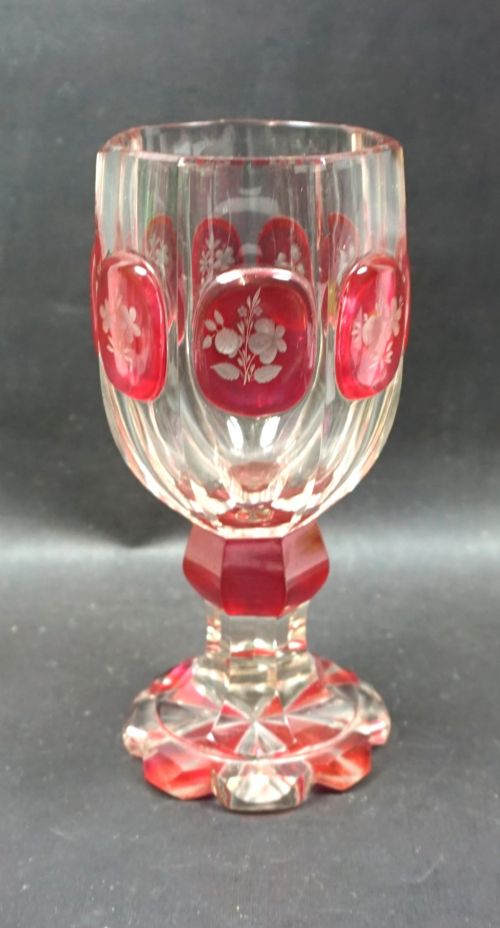
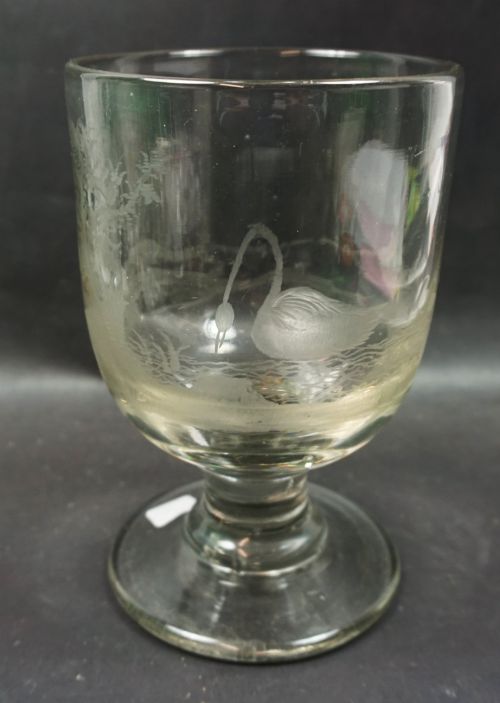
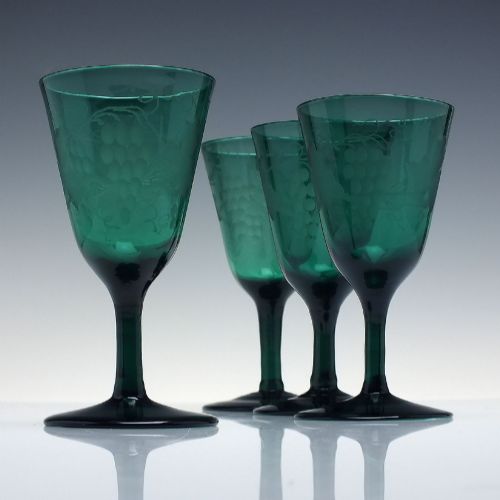
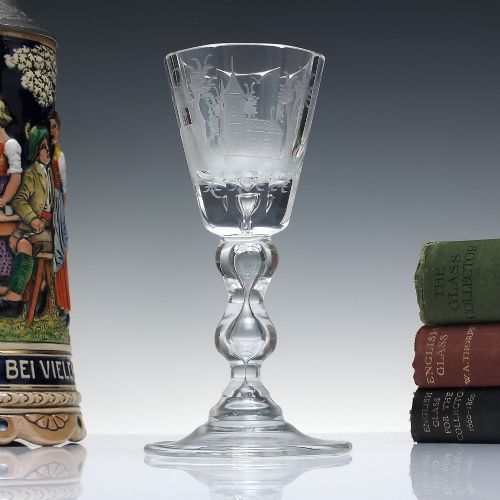
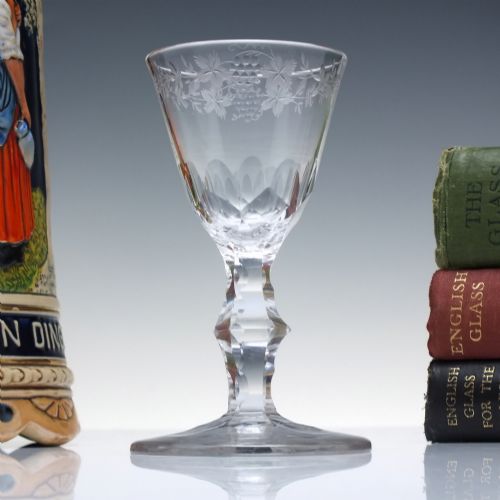
Makers utilised lead glass, crystal, and coloured glass to form the structure of these drinking vessels. Techniques such as facet cutting, intaglio engraving, and enamel decoration created intricate surface patterns upon the bowls.
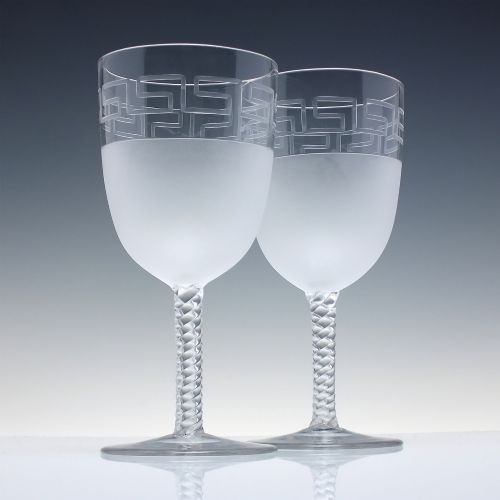
The creation of early stems involved intricate twisting methods like opaque twists, air twists, and colour twists formed within the glass rod. Blowers shaped bowls by hand before applying decorative engraving depicting hops, barley, and floral motifs.
Vintage Goblet Glasses Retail Price Guide 2026
Typical asking prices for vintage goblet glasses among the pieces listed under this phrase on Sellingantiques today, from the lower quarter to the upper quarter. They describe what is for sale here now, not the wider market.
A French marriage goblet from 1847 records the union with engraved love birds and a faithful dog.
What varies in quality
Quality rests upon the clarity of the metal, the precision of the cutting, and the depth of the engraving. Superior pieces display crisp facet cuts and balanced proportions without optical distortion in the glass.
The complexity of the stem construction separates standard examples from exceptional ones. Finely executed twists and well-formed baluster profiles indicate superior craftsmanship by skilled glasshouses.
John Walsh Walsh·St. Louis·Stevens and Williams·Baccarat·Theresienthal
The Vintage Goblet Glasses Glossary
- Baluster stem
- A heavy, swelling stem shape found on many eighteenth-century drinking vessels. This form provides weight and stability to the base of the glass.
- Rummer
- A large, sturdy glass used for ale, wine, or punch during the Georgian and Victorian periods. These pieces typically feature capacious bowls and short, thick stems.
- Opaque twist
- A white or coloured enamel glass thread drawn through the centre of a clear glass stem. This decorative technique requires high skill during hot forming.
- Hock glass
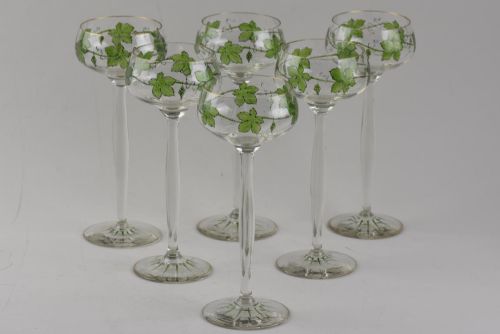
- A tall vessel traditionally used for white wine, often distinguished by a coloured glass bowl. Many examples feature elaborate cutting and enamelling.
- Facet cut
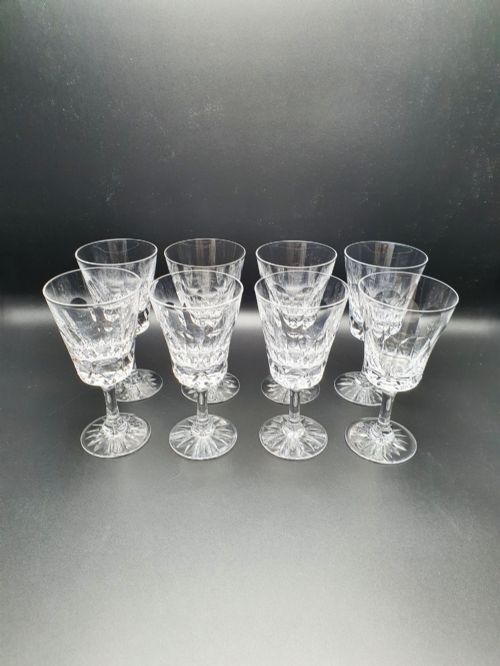
- Geometric planes ground and polished onto the surface of the glass. This process enhances the sparkle and light refraction of lead crystal.
Vintage Goblet Glasses: Frequently Asked Questions
How do I clean vintage goblet glasses?
Wash these delicate vessels by hand in warm water using a mild detergent. Avoid sudden temperature changes to prevent thermal shock to old glass.
Dry them immediately with a lint-free cloth to maintain their clarity and prevent water spots.
Can I use them for daily dining?
Many sturdy Victorian and Edwardian examples withstand careful everyday use. Lighter eighteenth-century pieces require greater caution due to their delicate metal.
Hand washing remains essential regardless of how frequently you use the glasses.
How do I identify Georgian glass?
Look for pontil marks on the underside of the foot, indicating where the glass was snapped off the blowing iron. Heavier metal content and distinctive stem formations also help date these pieces.
Examine the wear on the foot rim for age-appropriate handling marks.
What is an air twist stem?
An air twist contains elongated bubbles drawn into a spiral thread inside the stem. Glassmakers achieved this effect by trapping air in the hot metal before pulling and twisting.
This technique creates a delicate internal pattern visible through clear glass.