






Vintage Glassware Set
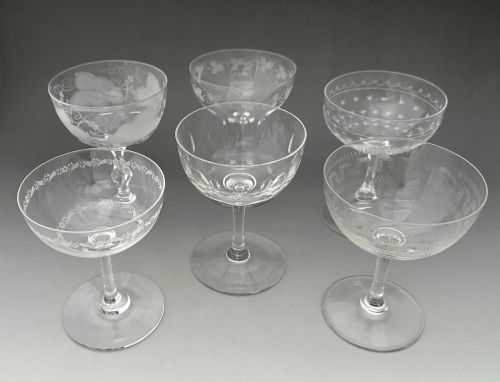
A vintage glassware set brings period character to the table, offering matched drinking vessels from the Victorian, Edwardian and Art Deco eras.
Vintage Glassware Set
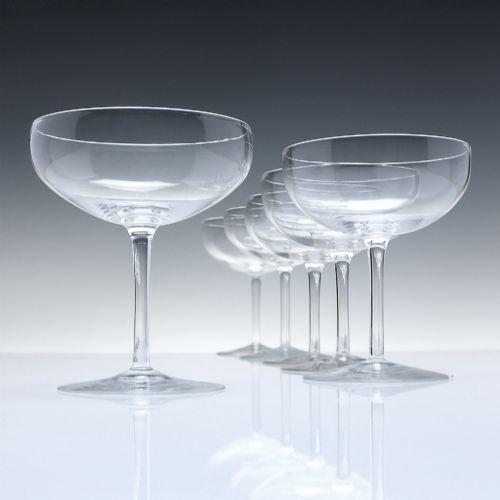
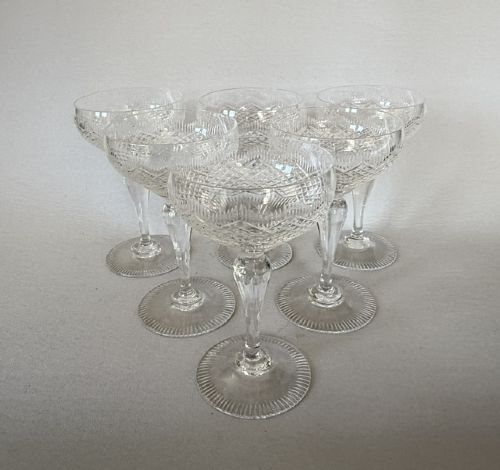
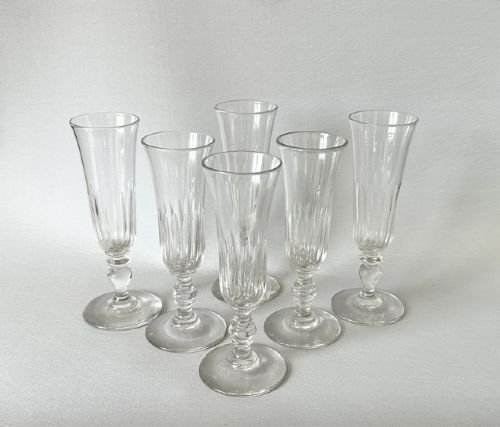
A vintage glassware set comprises matched drinking vessels, decanters, or serving pieces gathered across the Georgian, Victorian, Edwardian, and Art Deco periods. These assemblages range from small groups of wine glasses and champagne coupes to large suites of crystal tumblers and decanter sets.
Buyers meet sets shaped by distinct stylistic movements, including Biedermeier, German Historicism, Art Nouveau, and French Art Deco. Forms vary from simple custard cups and finger bowls to faceted rummers, cordial glasses, and elaborate hock glasses.
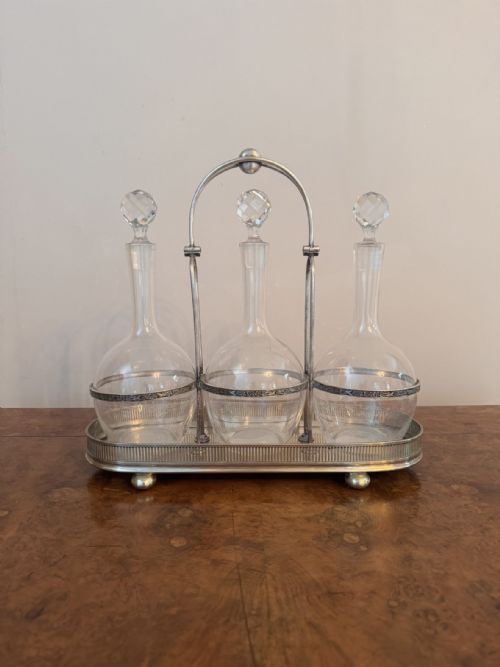
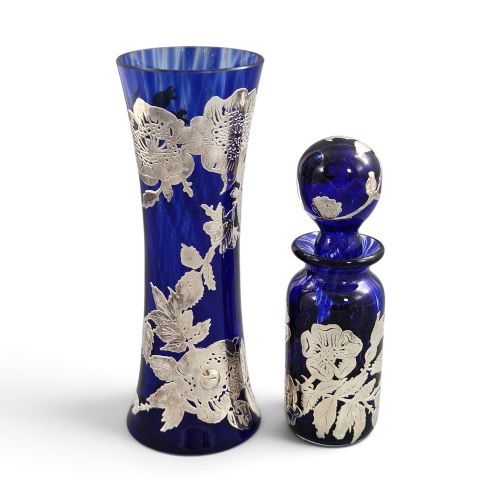
Origins span English, French, German, and Czech glasshouses, reflecting the shifts in dining habits from the nineteenth century through the mid twentieth century. Sets often survive complete with original matching decanters, silver-plated stands, or sterling silver overlays.
How they were made
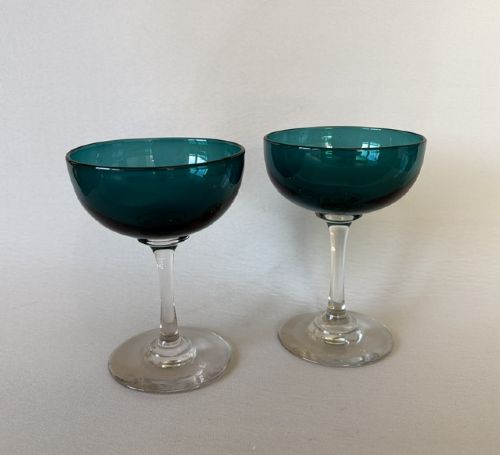
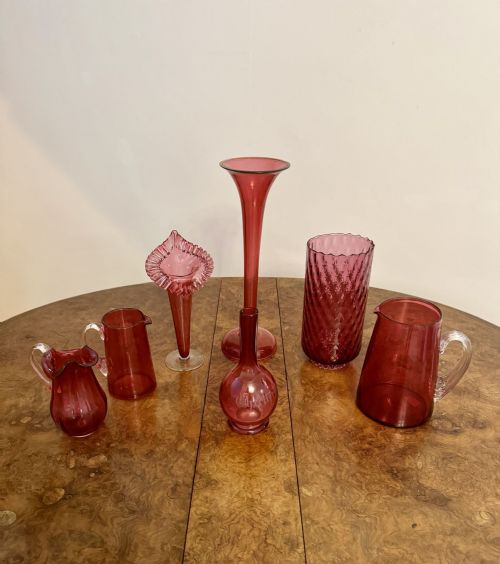
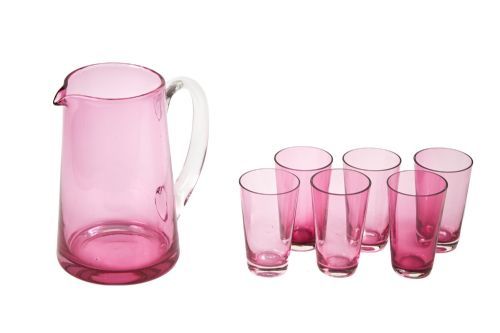
Makers shaped these sets using glass, lead crystal, and clear glass, alongside coloured variations like cranberry glass, green glass, amethyst glass, and cobalt glass. Artisans employed hand-blowing techniques, optical blowing, and mould-pressing to form the bowls, stems, and bases of each drinking vessel.
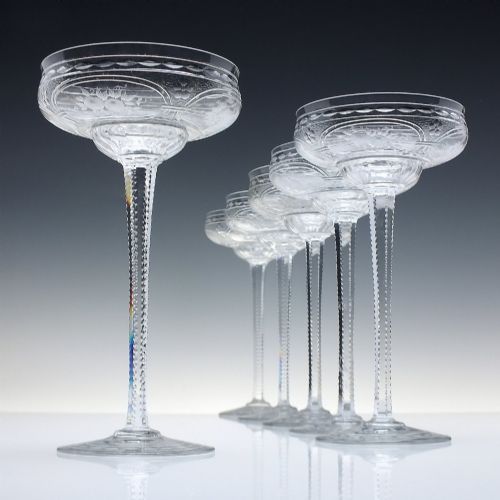
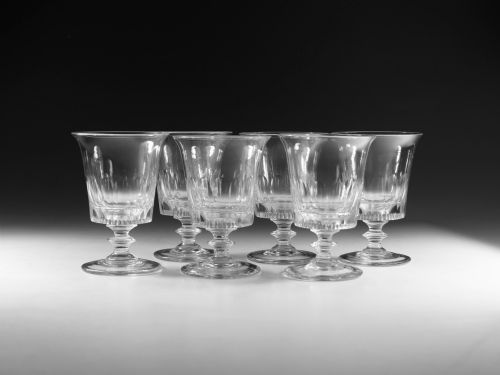
Decoration relied on skilled hand-cutting, intaglio engraving, and wheel-engraving to create geometric patterns and faceted surfaces. Workshops also applied enamel details, heraldic motifs, and twenty-four carat gold gilding to enhance the visual depth of the crystal.
Vintage Glassware Set Retail Price Guide 2026
Typical asking prices for vintage glassware set among the pieces listed under this phrase on Sellingantiques today, from the lower quarter to the upper quarter. They describe what is for sale here now, not the wider market.
The documented object types include decanter sets, wine glasses, champagne coupes, custard cups, and finger bowls.
What varies in quality
Quality rests in the uniformity of the set and the crispness of the hand-cutting or engraving across every individual piece. A cohesive group where every glass matches precisely in height, tone, and weight represents higher standard manufacturing than a later assembled match.
The clarity of the material and the weight of the lead crystal determine the tactile presence of the glassware on the table. Finer pieces demonstrate superior optical purity within the glass and delicate, deliberate execution of surface decoration.
Baccarat·Laugharne Glass·Rene Lalique·Theresienthal·Webb Corbett·Saint-Louis·James Powell·Karl Palda
The Vintage Glassware Set Glossary
- Champagne coupe
- A shallow-bowled stemmed glass designed for sparkling wine, popular across the Victorian and Edwardian periods.
- Roemer
- A traditional Germanic stemmed drinking vessel, often featuring green glass and heavy enamelling with heraldic motifs.
- Intaglio
- A technique where designs are incised beneath the surface of the glass rather than carved in relief.
- Cranberry glass
- A rich red-pink transparent glass created by adding gold chloride to the molten batch during the nineteenth century.
- Custard cup
- A small, handled or unhandled vessel used for serving individual portions of custard or desserts in Victorian dining.
Vintage Glassware Set: Frequently Asked Questions
How do I clean antique glassware sets?
Wash these pieces by hand in warm water using a mild detergent, avoiding sudden temperature changes to protect fragile nineteenth-century lead crystal.
Dry each glass immediately with a lint-free cloth to prevent water spots and maintain the clarity of the cut patterns.
Are vintage glass sets safe for daily use?
Many sets remain robust enough for regular dining and entertaining, provided they are handled with care and kept away from modern dishwashers.
Historic pieces with enamel decoration or precious metal overlays require gentle treatment to preserve their surface details over time.
What is the difference between a matched set and a harlequin set?
A matched set consists of identical pieces produced together in the same glasshouse, sharing the exact same form, colour, and decorative scheme.
A harlequin set brings together complementary glasses of the same period or style in varied colours, creating a deliberate multi-hued display.