





Vintage Glass Tantalus
A vintage glass tantalus holds spirits under lock and key, combining fine cabinetmaking with heavy decanters for a practical piece of period barware.
Vintage Glass Tantalus
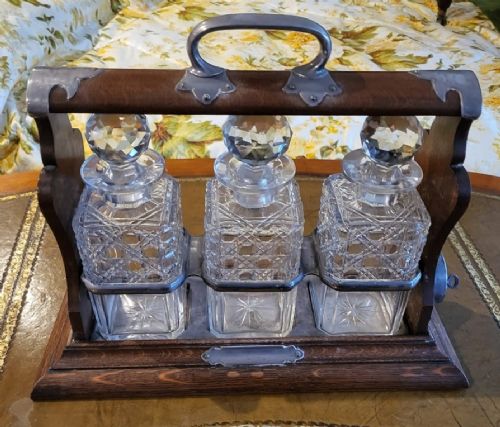
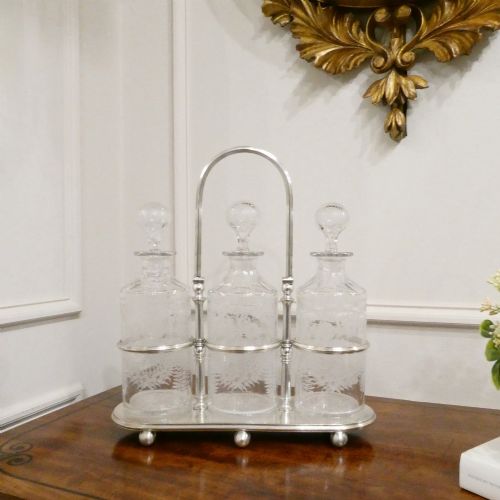
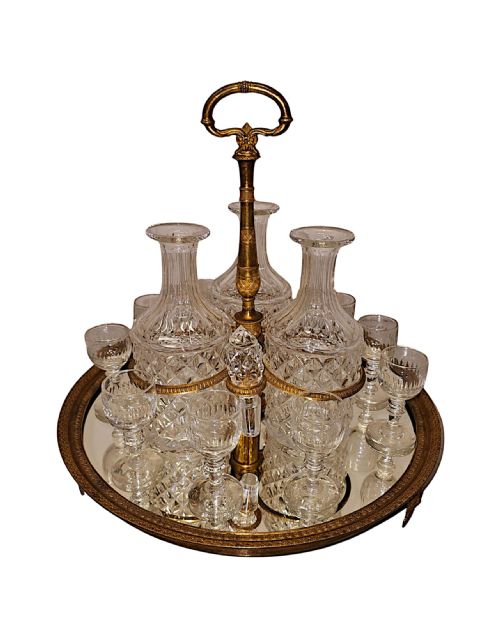
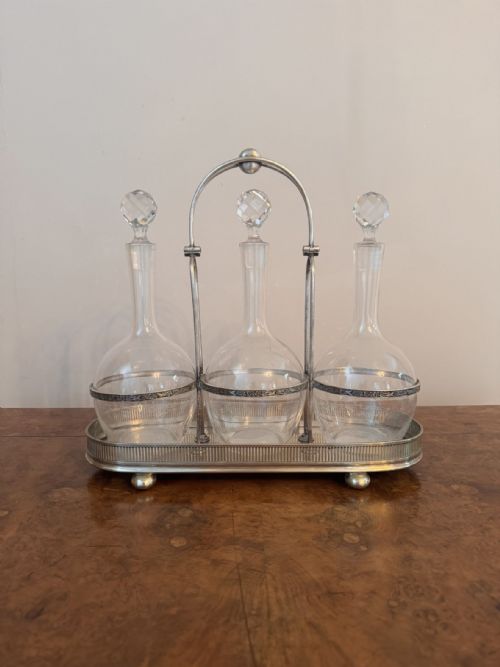
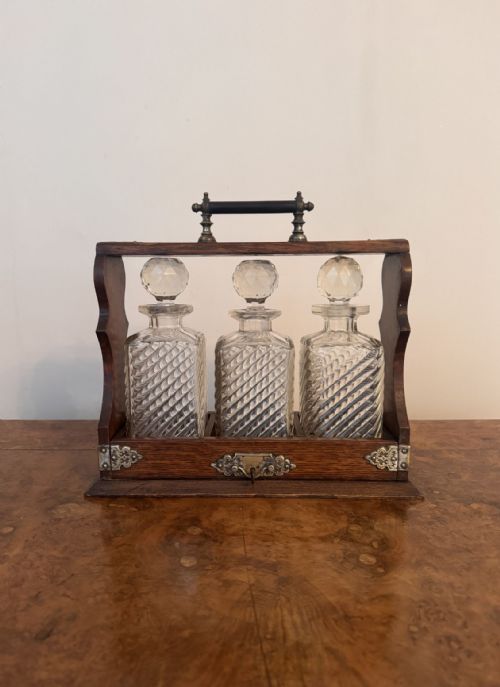
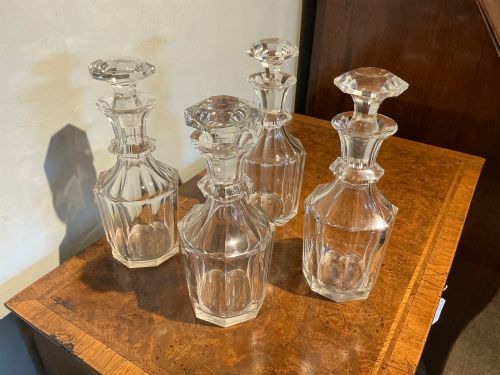
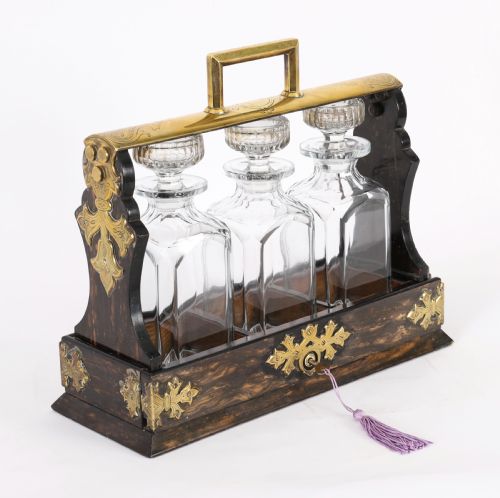
A vintage glass tantalus is a locking barware frame designed to secure liquor bottles from unauthorised access while displaying the contents within heavy glass. The pieces seen here span the Victorian, Edwardian and Art Deco periods, encompassing traditional oak, walnut and mahogany frameworks alongside French ormolu and coromandel boxes.
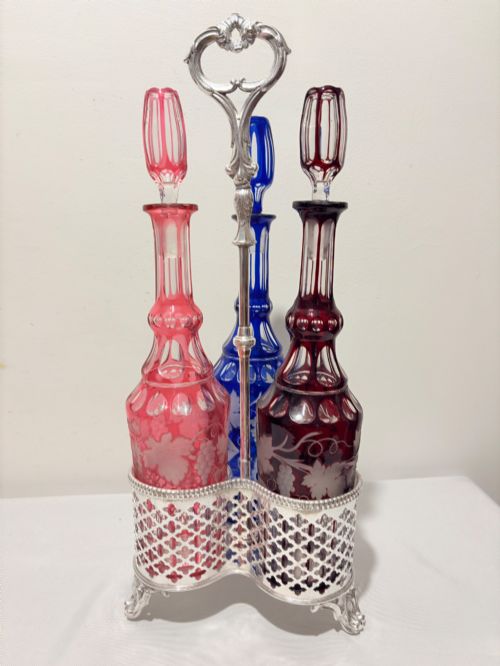
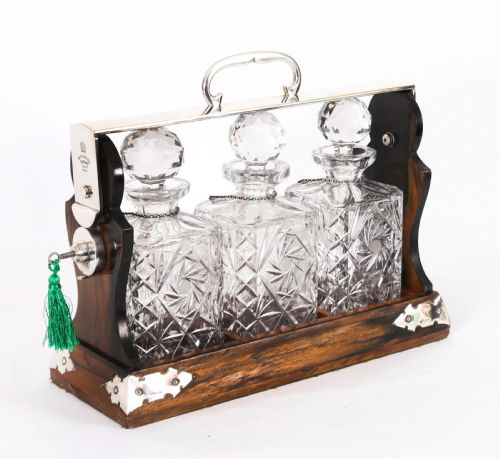
Most examples house two or three cut crystal or glass decanters, frequently paired with silver-plated or brass mounts and sometimes incorporating a games compendium or dry bar. Formats range from upright wooden locking bars to ornate French cave à liqueur sets and modernist chrome designs.
How they were made
Makers constructed the wooden frames from durable hardwoods like oak, walnut, satinwood and coromandel, often finishing them with brass mounts, marquetry stringing or silver plating. The mechanisms rely on precision metalwork to lock the stoppers in place when the handle is secured.
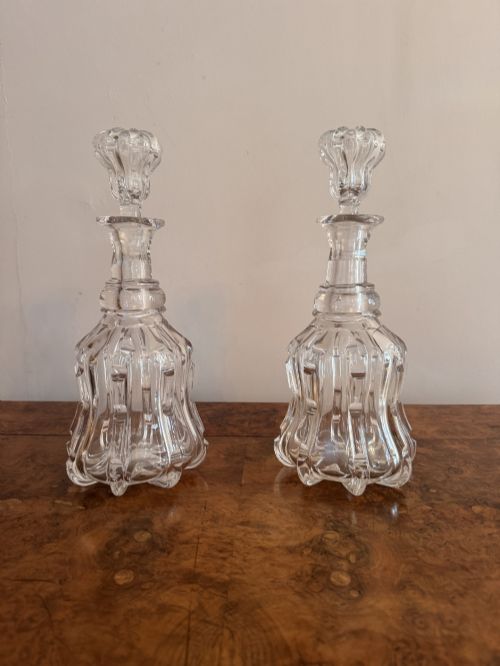
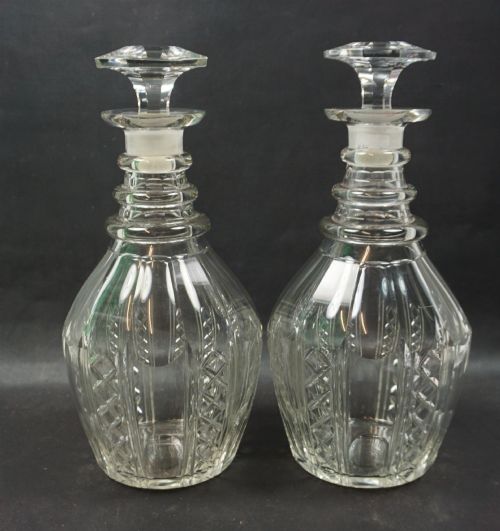
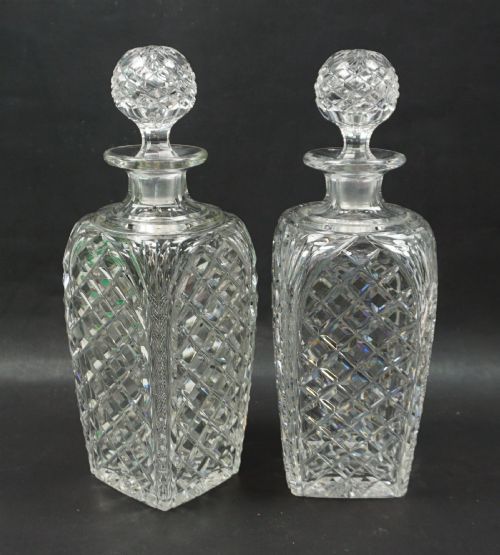
The glass components are heavy-walled cut crystal or moulded glass, shaped into square-section tapered decanters, barrels or ovoid forms. Deep wheel-cutting and hobnail patterns refract light through the heavy lead glass typical of the nineteenth and early twentieth centuries.
Vintage Glass Tantalus Retail Price Guide 2026
Typical asking prices for vintage glass tantalus among the pieces listed under this phrase on Sellingantiques today, from the lower quarter to the upper quarter. They describe what is for sale here now, not the wider market.
The name borrows from Greek mythology, ensuring guests can admire the whiskey while remaining entirely unable to pour a drop.
What varies in quality
Quality depends on the integration of the locking mechanism with the cabinetwork and the weight of the glass decanters. Superior examples feature fully operational spring-loaded locks with matching keys, robust silver plating on brass mounts, and crisply cut crystal matching the original set.
Cabinet construction also separates standard production from finer work, seen in figured timbers, intricate marquetry inlay, and fitted interiors that incorporate games boards or integrated tot pails alongside the bottles.
Lee And Wigfull·Walker And Hall·Baccarat·Elkington·Hukin And Heath
The Vintage Glass Tantalus Glossary
- Cave à liqueur
- A French compartmentalised liqueur set, often housed in an ornate wooden box with brass or ormolu mounts containing decanters and glasses. These pieces serve a similar function to the English tantalus.
- Silver plate
- A layer of silver fused to a base metal such as copper or Britannia metal, widely utilised for the handles, frames and mountings of Victorian and Edwardian barware.
- Coromandel
- A dense, dark exotic timber with contrasting light streaks, prized for luxury nineteenth-century tantalus boxes and games compendiums.
- Cut crystal
- High-lead content glass decorated with deep geometric facets cut by a rotating wheel, providing weight and brilliance to period decanters.
Vintage Glass Tantalus: Frequently Asked Questions
How does the locking mechanism work?
The mechanism relies on a metal bar that swings down over the glass stoppers, preventing them from being pulled upward. Turning the key engages a bolt in the frame that secures this bar in place.
When unlocked, the bar pivots back to allow the decanters to be lifted free from their fitted base.
Are the decanters original to the stand?
Many sets retain their matched cut crystal decanters, particularly those by documented makers with fitted internal partitions. Over the decades, individual bottles frequently suffered breakage and required period replacements.
Close inspection of the glass tint, cut patterns and base wear helps confirm whether the decanters belong to the original frame.
How should I clean a vintage tantalus?
Wooden frames benefit from gentle cleaning with a soft cloth and appropriate beeswax to nourish the grain without harming the polish. Metal mounts require care to preserve silver plating or brass patination rather than aggressive polishing.
Glass decanters can be washed with warm water, avoiding sudden temperature changes that might stress antique lead crystal.
What is a games compendium combination?
Certain tantalus designs incorporate concealed drawers or folding lids that house playing cards, dominoes or chess pieces beneath the bottle platform. These dual-purpose pieces functioned as complete entertaining cabinets for Edwardian and Victorian drawing rooms.
The added weight of the internal games equipment often makes these combined pieces considerably heavier than standard frames.