


Vintage Glass Shelving
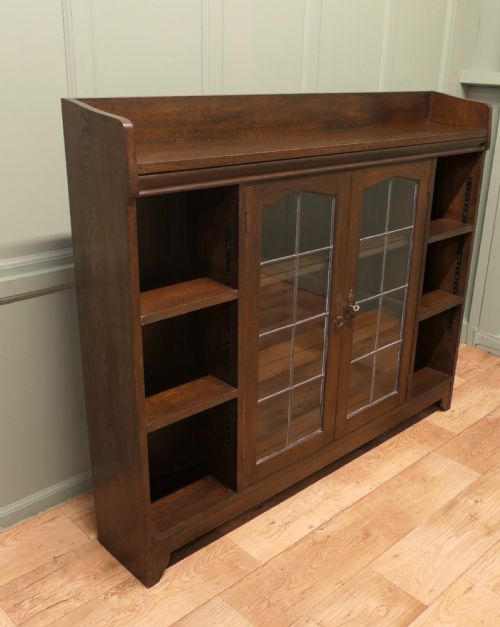
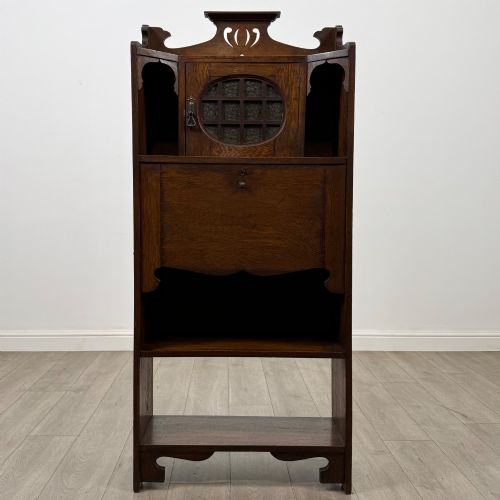
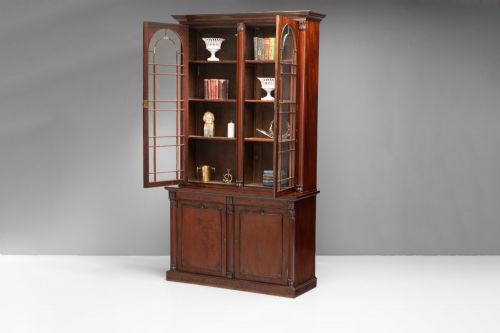
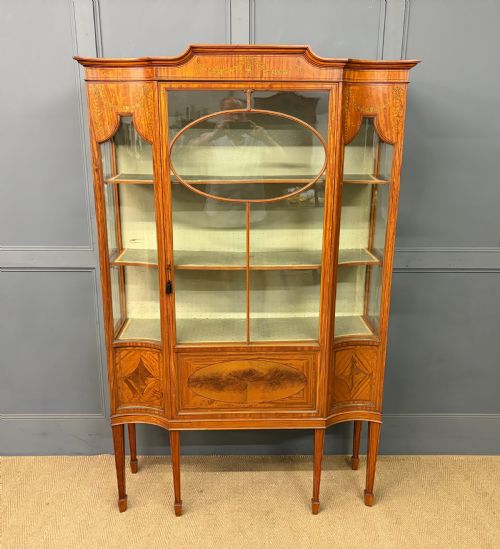
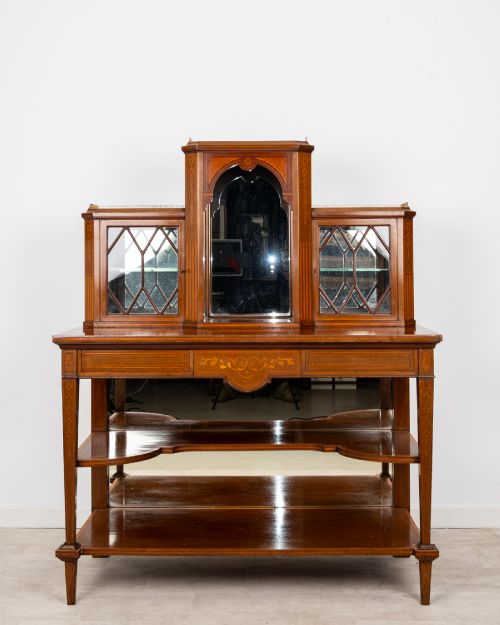
Vintage glass shelving brings together display cabinets, stacking bookcases and shop fittings to house books and objects with clear panelled views.
Vintage Glass Shelving
When you search for vintage glass shelving, you encounter a practical mix of sectional bookcases, display cabinets and shop fixtures designed to keep books and objects visible behind transparent panes. These pieces emerge chiefly from the Edwardian period through to the 1930s, alongside 19th Century examples.
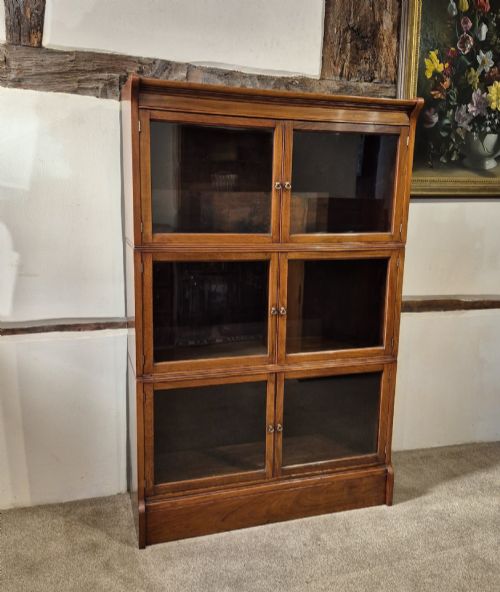
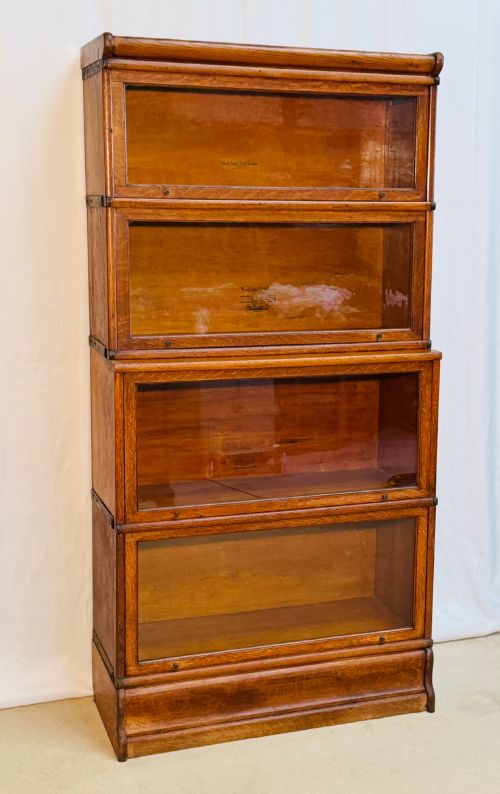
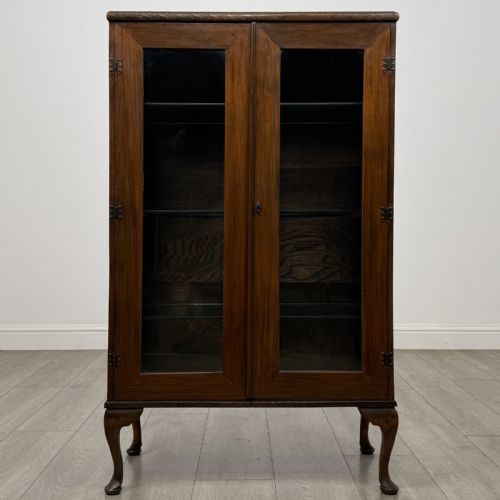
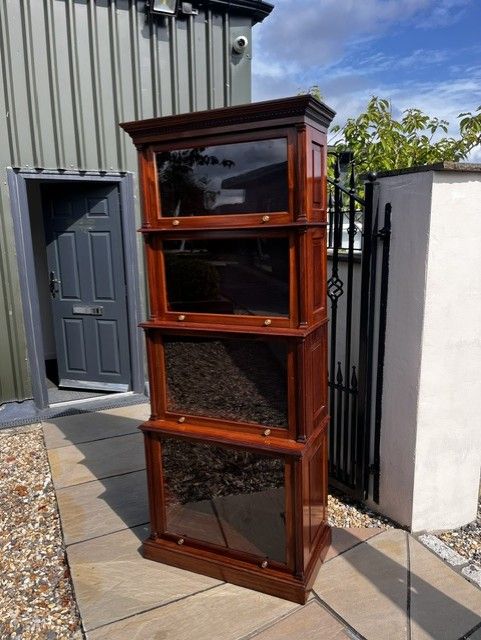
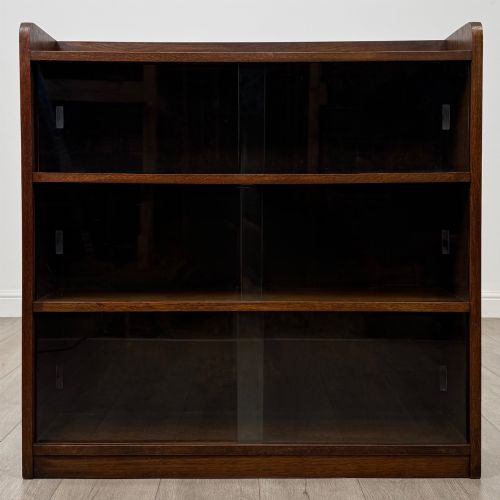
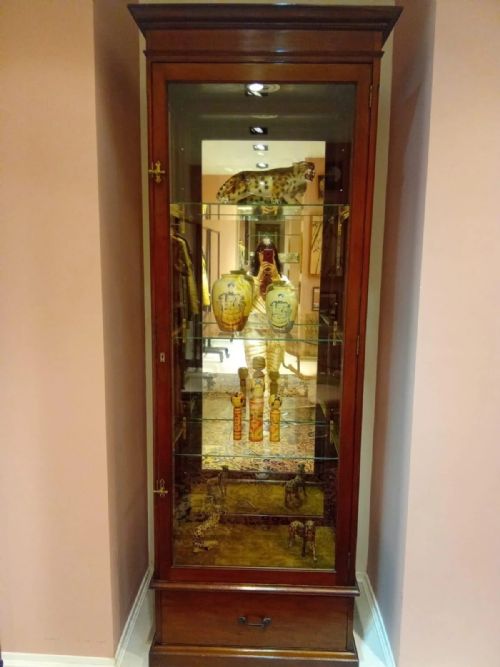
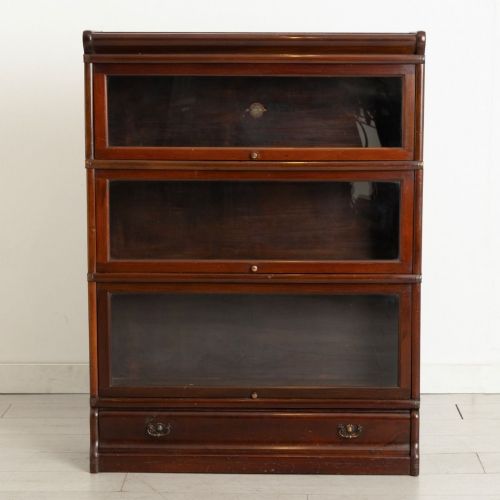
The version you are most likely to meet on this page is the modular stacking bookcase, often in oak or mahogany, where multiple glazed tiers lift and slide to protect the volumes within. Alongside these stand freestanding display cabinets, shop units and wall-mounted pieces featuring adjustable glass shelves.
Makers and manufacturers ranging from Globe Wernicke to Minty of Oxford engineered these modular systems for offices and domestic libraries. Other forms include bureau cabinets, étagère units and brass display stands, spanning Art Deco, Arts and Crafts and Edwardian styles.
How they were made
Makers constructed these storage pieces primarily using solid or veneered hardwoods such as oak, mahogany and satinwood, paired with lead and clear glass panes for the doors and panels. Brass and iron hardware frequently appears on stacking mechanisms, hinges and shop display stands.
Joinery techniques combined traditional cabinet-making with patented modular systems, allowing individual tiers or sections to lock together securely without permanent fixings. Glazed doors utilised wooden frames or metal framing to hold the glass securely while permitting maximum light penetration.
Vintage Glass Shelving Retail Price Guide 2026
Typical asking prices for vintage glass shelving among the pieces listed under this phrase on Sellingantiques today, from the lower quarter to the upper quarter. They describe what is for sale here now, not the wider market.
Materials recorded across the archive include brass, iron, lead, mirror glass, satinwood, oak and mahogany.
What varies in quality
Quality rests in the precision of the modular mechanisms and the clarity of the glass panels used across the tiers and doors. Pieces bearing stamps or maker marks from established firms display superior joinery and more refined timber selection.
The choice of materials, from figured mahogany and inlaid satinwood down to utilitarian oak, dictates the formal ambition of the piece. Intricate brass fittings and smooth sliding actions distinguish workshop production from standard utility office furniture.
Minty of Oxford·Maple & Co.·Globe Wernicke·Heal's
The Vintage Glass Shelving Glossary
- Barrister bookcase
- A sectional wooden bookcase featuring glazed stacking tiers that lift and slide inward on pivot mechanisms. This modular design allowed lawyers and offices to expand their shelving vertically.
- Sectional bookcase
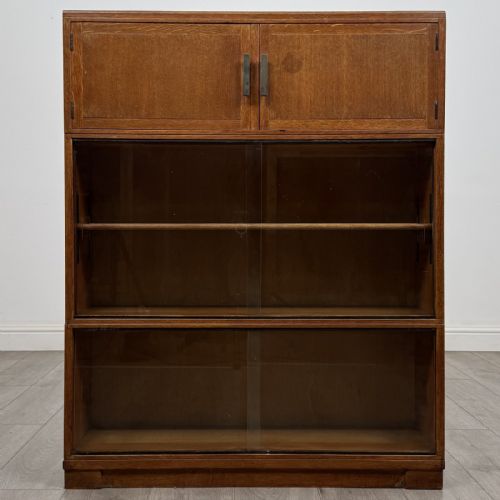
- A modular storage unit built from interchangeable stacked boxes or tiers with glass fronts. Each tier functions as an independent shelf enclosure.
- Étagère
- An open tiered shelving unit designed for displaying small ornaments and porcelain. These pieces prioritize visibility from all sides.
- Overmantel mirror
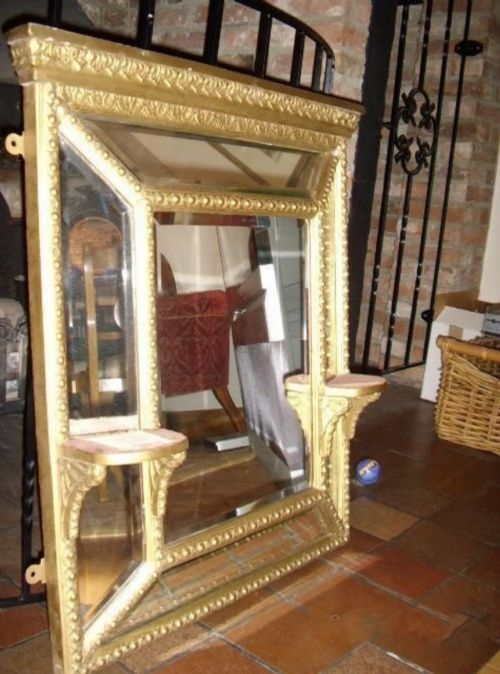
- A large decorative looking glass designed to hang directly above a fireplace mantel. They often incorporate wooden frames and matching display ledges.
- Bonheur du jour
- A light ladies writing desk featuring a small cabinet or shelving superstructure above the main writing surface. These compact pieces date predominantly to the Edwardian era.
Vintage Glass Shelving: Frequently Asked Questions
What periods do these pieces span?
The listings span from the late 19th Century through the Edwardian era and into the 1930s Art Deco period. Earlier Victorian library pieces sit alongside early 20th Century office systems.
Stylistic shifts move from heavy carved walnut and mahogany towards lighter oak modular shelving and streamlined Art Deco display units.
Where were shop display cabinets used?
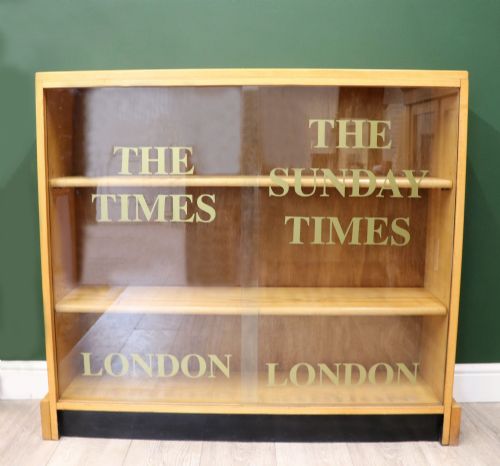
Shop display cabinets and brass stands served commercial environments for merchandising goods behind glass protection. Retailers utilised adjustable glass shelves to maximise interior light.
These utilitarian pieces eventually transitioned into domestic settings for displaying collections of ceramics and books.
How do I identify an Edwardian cabinet?
Edwardian display cabinets frequently feature mahogany or oak timbers, sometimes enhanced with inlaid satinwood stringing. Glazing bars often divide glass doors into geometric panes.
These pieces reflect lighter proportions compared to heavy Victorian furniture, incorporating classical revival motifs and refined brass hardware.