








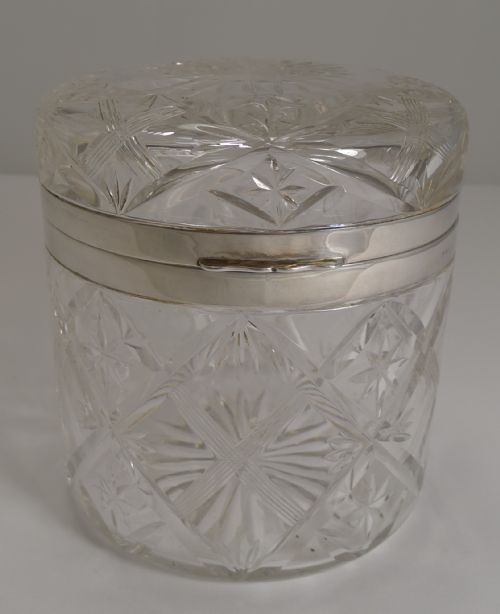

Vintage Glass Powder Box
A vintage glass powder box sits on the dressing table to hold loose cosmetic powder, combining practical vanity storage with decorative charm.
Vintage Glass Powder Box
A vintage glass powder box is a dressing table accessory designed to hold dusting or face powder, often paired with a matching lid or cover. These items frequently appear as vanity jars, trinket boxes, and dressing table bowls originating from periods spanning the nineteenth century through the mid-twentieth century.
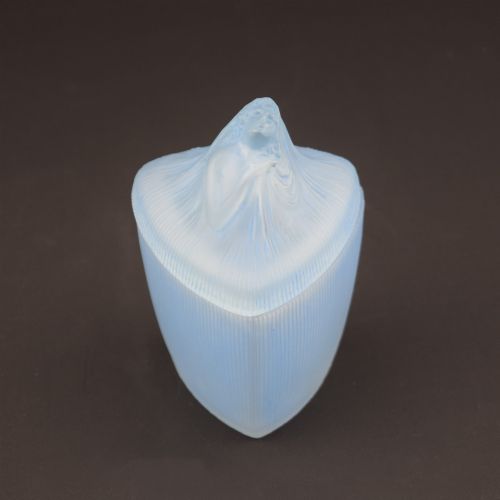
The pieces on this page encompass diverse stylistic movements, most notably Art Deco, Edwardian, Art Nouveau, and Victorian designs. Makers and manufacturers utilised clear cut crystal, satin glass, opalescent glass, and coloured glass alongside precious metals to create functional ornaments for the bedroom or boudoir.
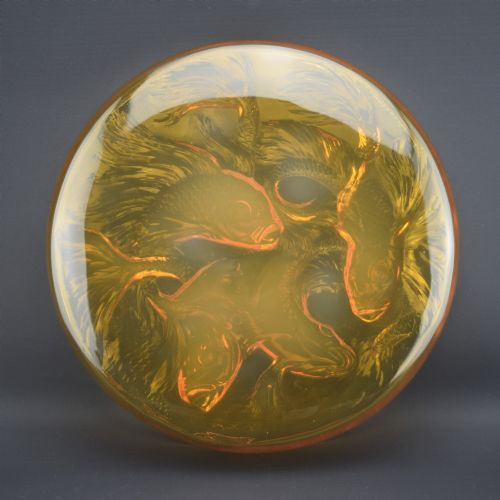
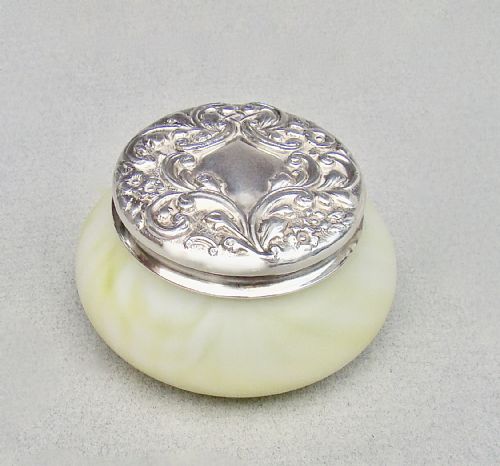
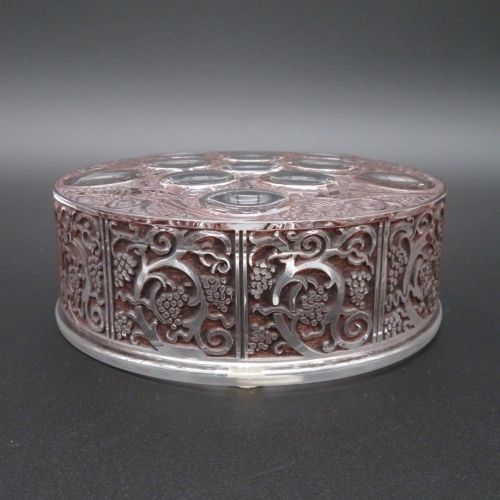
Many examples combine heavy moulded or cut glass bases with hallmarked sterling silver lids, sometimes accented by guilloche enamel, tortoiseshell, or intricate metalwork. Whether housing a moulded crystal design by Rene Lalique or a silver-mounted cranberry glass jar, each piece reflects the dressing habits of past eras.
Materials and production techniques
Makers produced the vessels using heavy glass-cutting techniques, mould-pressed manufacturing, or artisanal glass-blowing methods. Clear cut crystal, frosted satin glass, and opalescent glass formed the primary bodies, occasionally taking on blue, cranberry, or pink hues.
Silversmiths and metalworkers fitted these glass bases with sterling silver lids, hinges, and collars, often hallmarked in cities such as Birmingham. Artisans then applied translucent guilloche enamel, painted details, or tortoiseshell panels directly onto the metal components to finish the pieces.
Vintage Glass Powder Box Retail Price Guide 2026
Typical asking prices for vintage glass powder box among the pieces listed under this phrase on Sellingantiques today, from the lower quarter to the upper quarter. They describe what is for sale here now, not the wider market.
Some powder boxes were designed with matching crystal perfume bottles, ensuring the dressing table smelled as coordinated as it looked.
Quality factors in glass powder boxes
Quality rests in the weight, clarity, and depth of the glass cutting or the crispness of the moulded relief work. Heavy cut crystal and finely detailed opalescent or satin glass bodies demonstrate superior material selection compared to simpler pressed variants.
The integration between the glass vessel and its metal mount dictates the standard of manufacture. Secure hinges, intact hallmarked sterling silver, undamaged enamel work, and a precise fit between lid and base separate ordinary dressing table accessories from finer examples.
The Vintage Glass Powder Box Glossary
- Guilloche enamel
- A decorative technique involving precise mechanical patterns engraved beneath a translucent enamel layer. This method was widely used on silver lids during the Edwardian and Art Deco periods.
- Sterling silver
- An alloy of silver containing ninety-two point five percent pure silver and seven point five percent other metals, commonly used for the fitted lids and mounts.
- Opalescent glass
- Glass that displays milky, translucent qualities with shifting tones of colour when viewed under light. It appears frequently in artistic powder boxes from the early twentieth century.
- Cut crystal
- High-clarity glass cut with geometric facets to reflect light intensely. It forms the heavy, sparkling bases of many nineteenth and twentieth-century vanity jars.
Vintage Glass Powder Box: Frequently Asked Questions
What is a vintage glass powder box?
A vintage glass powder box is a covered container used historically on dressing tables to store loose face or dusting powder. They were essential accessories for personal grooming during the Victorian, Edwardian, and Art Deco eras.
Today, collectors appreciate them both as historical dressing table displays and as practical trinket holders for small jewellery items.
How do I identify an Art Deco powder box?
Art Deco powder boxes typically feature geometric motifs, stylised floral reliefs, or sleek moulded crystal forms characteristic of the 1920s and 1930s. They often incorporate stark colour contrasts, such as clear frosted glass paired with brightly enamelled silver lids.
Maker signatures or registration marks stamped onto the glass or silver mount can also help confirm the production period.
Were these boxes only used for powder?
While primarily designed for cosmetic powder, many similar vessels served as trinket boxes, hair receiver jars, or general dressing table accessories. The terminology often overlaps between powder boxes, vanity jars, and trinket boxes depending on the depth of the jar and the style of the lid.
Interior residues or the presence of original powder puffs sometimes indicate their exact historical function.