


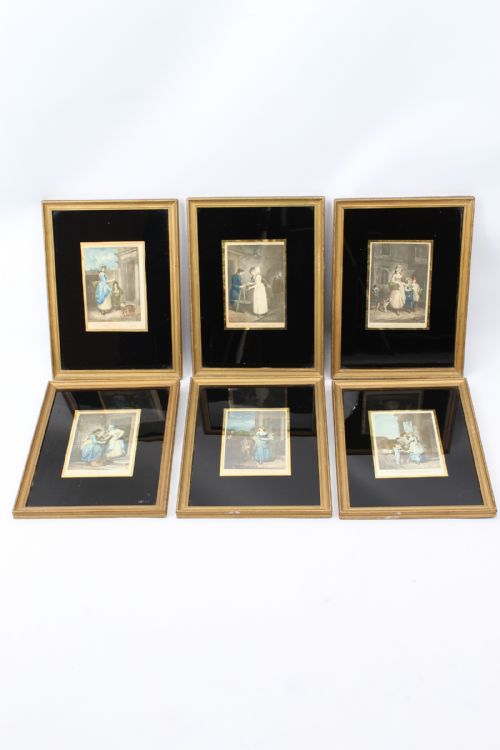


Vintage Glass Picture Frame
These vintage glass picture frame examples combine protective glazing with decorative surrounds from periods spanning the seventeenth to the twentieth century.
Vintage Glass Picture Frame
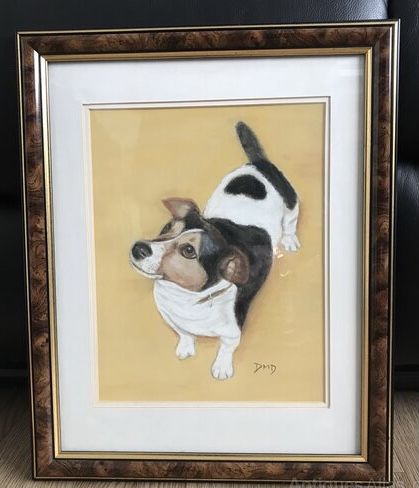
A vintage glass picture frame serves to display and protect works on paper, textiles, and photographs behind a transparent barrier. Buyers seeking this category encounter items ranging from simple freestanding chrome pieces to ornate giltwood structures.
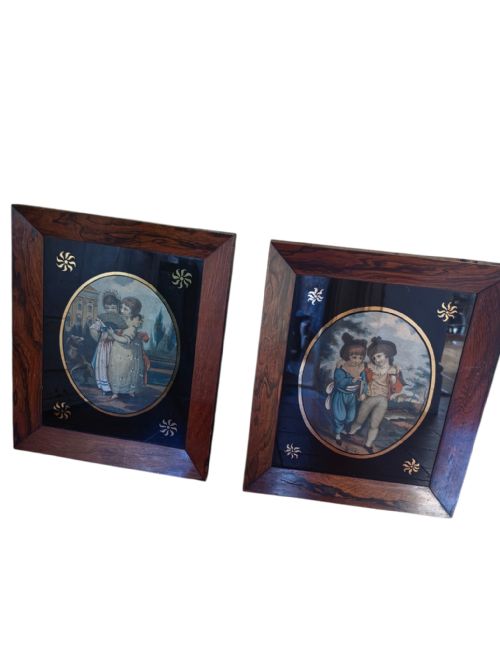
The selections on this page encompass various configurations, including singular portrait surrounds, double-hinged folding mounts, and convex bubble glass covers. Many items integrate the glass directly into the presentation method, such as reverse glass painted prints and crystoleum compositions.
Originating across different eras, these objects reflect distinct interior decorative tastes. Pieces span from seventeenth-century needlework fragments to twentieth-century art deco chrome designs.
Materials and construction
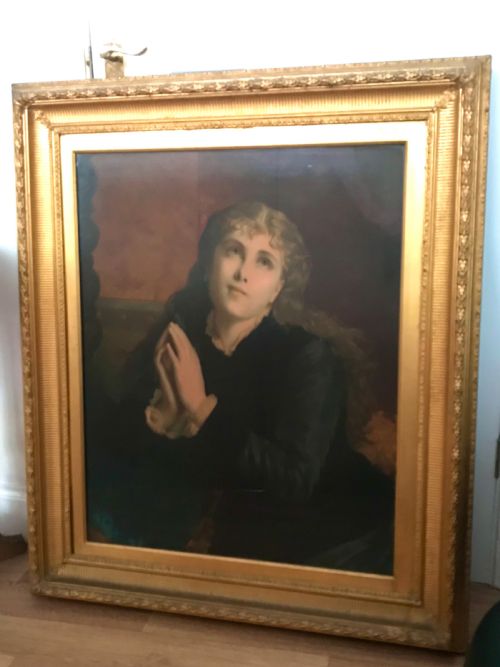
Makers utilised rigid structural supports of wood, gesso, or cast metal to house the delicate glazing. Frames frequently feature giltwood, maple, rosewood, or polished chrome alongside paper prints and fabric elements.
Techniques varied from hand-carved wooden mouldings and applied ormolu mounts to specialised glazing methods. Reverse glass painting and crystoleum execution required meticulous layering of pigments directly onto the underside of the protective panel.
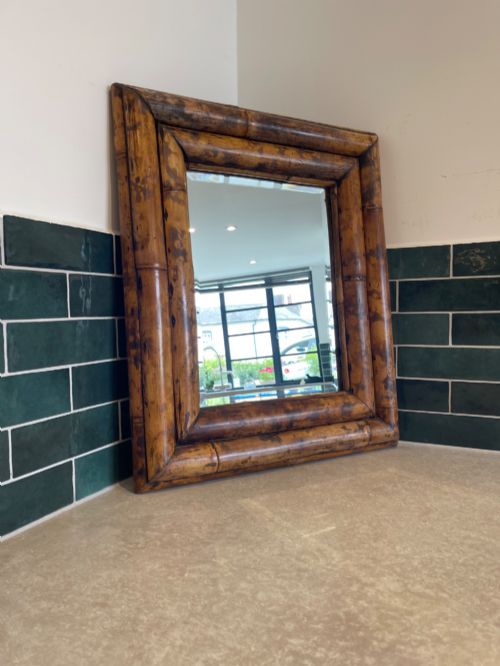
Listings feature frames and mirrors spanning from the seventeenth century through the art deco era, utilising wood, chrome, and giltwood.
Assessing craftsmanship and condition
Quality rests in the crispness of the framing details and the integrity of the original glazing. Hand-carved giltwood mouldings and heavy cast ormolu demonstrate superior craftsmanship compared to plain production items.
The preservation of the interior artwork or photograph heavily influences the overall standard. Intact reverse glass paintings and undamaged convex dome covers represent higher degrees of original survival.
The Vintage Glass Picture Frame Glossary
- Crystoleum
- A hand-coloured photograph applied to convex glass and made translucent for oil painting on the reverse. This technique gained popularity during the Victorian and Edwardian periods.
- Eglomise
- A process of applying gold or silver leaf to the reverse side of glass to create a mirror finish or decorative border. It often appears on antique wall mirrors and historic frames.
- Ormolu
- Gilded bronze used widely for decorative mounts on nineteenth-century French photo frames. The finish provides a bright metallic appearance that mimics solid gold.
- Convex glass
- Curved glass panels manufactured to project outward from the frame. They create spatial depth and protect delicate paper works or photographs from touching the surface.
Vintage Glass Picture Frame: Frequently Asked Questions
How do I clean an antique frame?
Dust wooden and gilt surfaces gently with a dry, soft brush to protect fragile finishes. Avoid applying liquid cleaners directly to older wood or gilded gesso.
Clean the glass panes using a minimal amount of glass cleaner applied to a cloth rather than the frame itself. Prevent moisture from seeping behind the glazing into the antique print or photograph.
What is a crystoleum?
A crystoleum is a nineteenth-century photographic print that has been made translucent, glued face down to convex glass, and meticulously hand-painted in oils. The original paper backing is peeled away, leaving only the transparent image layer.
This method produced a luminous, three-dimensional effect that was popular for portraits and romantic scenes. The curved glass protects the delicate pigments from dust and atmospheric damage.
How do I date an old frame?
Examine the construction methods, backboards, and fasteners used to hold the contents in place. Hand-cut joinery, old screws, and oxidized metal fittings often indicate earlier manufacturing periods.
Compare the overall decorative style, such as art deco chrome or Victorian rococo revival motifs, against known historical eras. Materials like heavy gesso, ormolu, or specific wood types also offer clues to the approximate date of creation.
Can I replace missing glass?
Finding replacement glass for standard flat frames is straightforward, though period glass with slight imperfections yields a more authentic appearance. Glaziers can cut new panels to fit exact dimensions.
Convex or bubble glass requires specialist sourcing because standard flat panes will not fit curved antique bezels. Replacing specialised glazing should be done carefully to preserve the structural integrity of the surround.