




Vintage Glass Photo Frames
These vintage glass photo frames bring tangible warmth to a room, offering a crisp display for cherished portraits through enduring periods.
Vintage Glass Photo Frames
When you search for vintage glass photo frames, you encounter an assortment of desktop and wall-hanging display pieces originating from the Victorian, Edwardian, and Art Deco eras. These items serve the practical purpose of framing photographs while showcasing the decorative craftsmanship of their respective decades.
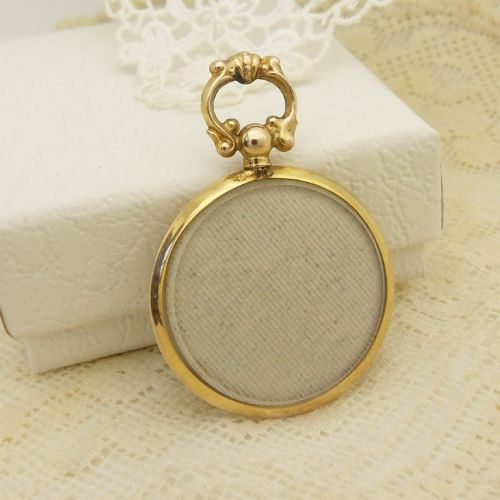
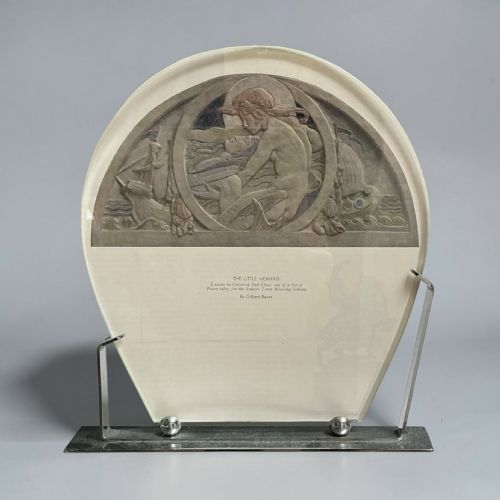
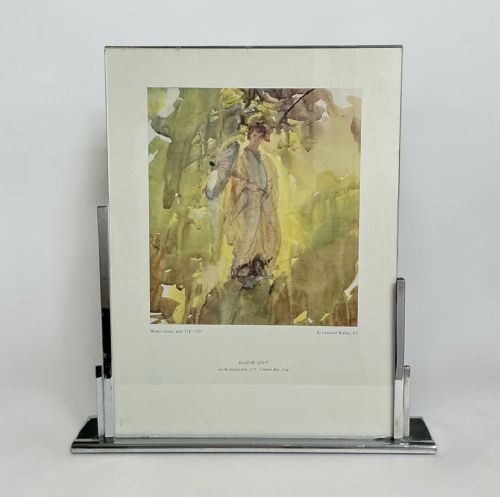
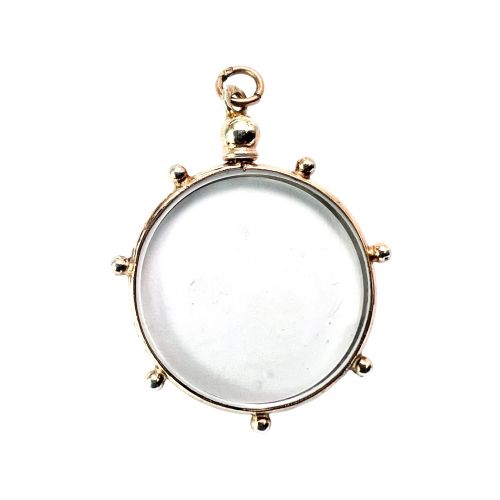
The pieces on this page span several distinct forms, including free-standing metal and glass designs alongside ornate hinged variants. You are most likely to meet French ormolu double frames or streamlined chrome and glass structures from the nineteen thirties.
Materials range from gilded bronze and silver to simple polished chrome, often paired with protective glass fronts or backing plates. Alongside standard picture frames, related items such as glazed lockets and decorative mirrors occasionally appear within the selection.
How vintage glass photo frames were made
Makers utilised cast metals such as ormolu and brass to construct heavy, decorative surrounds that could support glass panels without warping. These metal components were frequently chased, gilt, or plated with chrome to achieve either an opulent sheen or a clean, modern finish.
Glass was cut and fitted precisely to cover portraits, sometimes held securely in place by screw-top mechanisms or hinged backing frames. Paper components, including early photographs and glass autochromes, were then sealed within to preserve the image against dust and handling.
Vintage Glass Photo Frames Retail Price Guide 2026
Typical asking prices for vintage glass photo frames among the pieces listed under this phrase on Sellingantiques today, from the lower quarter to the upper quarter. They describe what is for sale here now, not the wider market.
The listings on this page span the Victorian era, the Edwardian period, and the nineteen thirties, incorporating glass, chrome, and ormolu.
What varies in quality
The distinction between standard examples and superior pieces rests largely on the weight of the metal and the crispness of the casting. Heavier ormolu frames with deep, well-defined floral or architectural motifs demonstrate a higher standard of workmanship than lighter, plain-cast alternatives.
Finishes also dictate the tier of quality, with intact original gilding and unblemished chrome plating commanding greater attention. The precision of the glass fitting and the structural integrity of any original stands or hinges further separate everyday items from finer examples.
The Vintage Glass Photo Frames Glossary
- Ormolu
- A gilded bronze technique popular in French decorative arts, used to give base metals the rich appearance of solid gold. It provides a heavy, lustrous border for nineteenth-century frames.
- Autochrome
- An early colour photography process on glass invented by the Lumière brothers, producing luminous, pointillist images. These delicate plates are frequently housed in specialised frames.
- Crystoleum
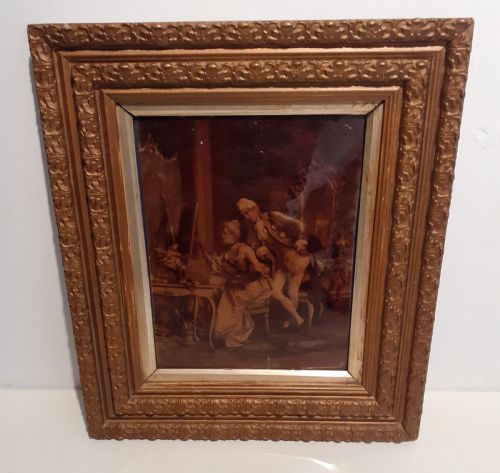
- A Victorian method of applying a hand-painted photograph to convex glass and backing it with paper to create a dimensional image. They are typically set within ornate gilt frames.
- Chrome
- A metallic plating finish characteristic of the Art Deco period, offering a bright, corrosion-resistant surface. It defines the industrial aesthetic of nineteen-thirties picture frames.
Vintage Glass Photo Frames: Frequently Asked Questions
How do I clean vintage glass photo frames?
Use a soft, dry cloth to gently dust the glass and metal surfaces without applying pressure to old joints or paper backs. Avoid standard liquid glass cleaners, as moisture can seep behind the glass and damage historical photographs or original paper inserts.
Keep these frames out of direct sunlight to prevent the fading of underlying photographs and the degradation of any internal paper components. Handle the pieces by their outer structure rather than the glass fronts to maintain stability.
Can I replace the glass in these frames?
Replacing glass is sometimes necessary if an original pane breaks, though conservation standards prefer retaining old glass with its characteristic bubbles and minor surface imperfections. A local restorer can cut new glass to fit the exact historical rebate of the frame.
When replacement occurs, ensure the new glass matches the thickness of the original so that the backing plates and screw mechanisms close without excessive pressure.
How do I date an antique frame?
Dating relies on identifying the prevailing materials and manufacturing styles, such as heavy cast ormolu for nineteenth-century French pieces or streamlined chrome for nineteen-thirties items. Examination of the backings, screws, and hinging methods often reveals the technological limits of the manufacturing era.
Comparing the decorative motifs against known historical periods, such as Victorian revivalism or Art Deco geometric design, confirms the approximate decade of production.
Were these frames meant for desks or walls?
Many smaller frames feature integrated folding struts designed specifically for free-standing display on dressing tables, desks, or mantelpieces. These desktop variants allow the decorative metalwork of the back and edges to remain visible from multiple angles.
Other formats include hanging loops or chains intended for wall mounting, particularly larger mirrors and specialised portrait displays from the Victorian and Edwardian periods.