






Vintage Glass Miniature
These vintage glass miniature pieces offer remarkable scale and precision, capturing full-scale design within exceptionally compact forms.
Vintage Glass Miniature
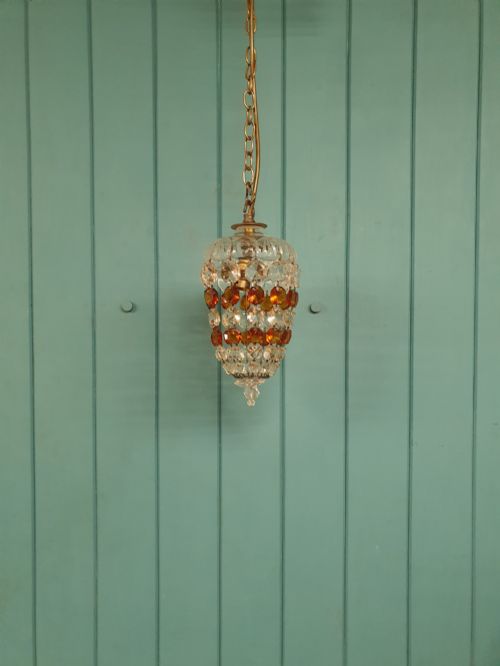
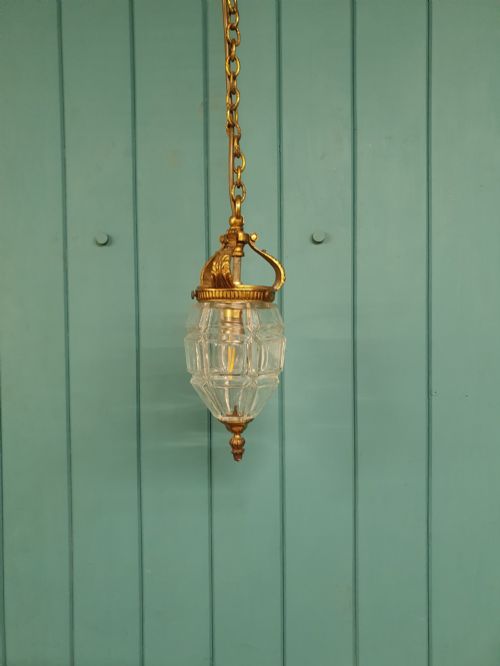
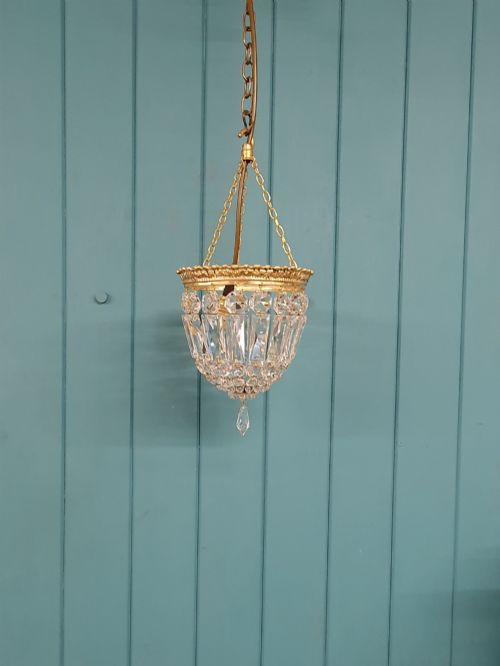
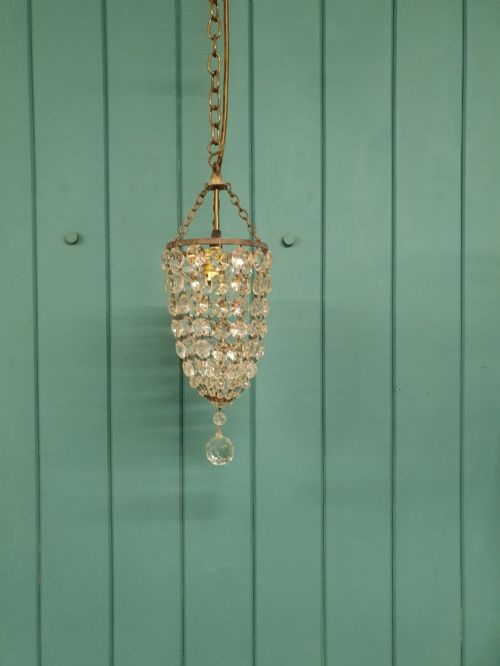
When you search for vintage glass miniature items, you encounter a diverse range of small-scale creations spanning the Victorian, Edwardian, and early 20th-century periods. These objects include moulded glass hanging lanterns, delicate bag chandeliers, lampwork glass animals, and lined collectors cabinets.
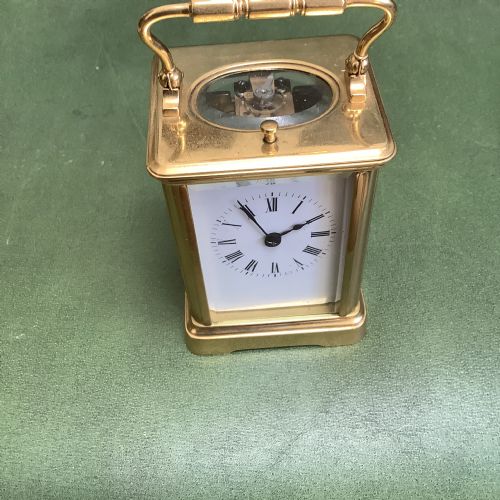
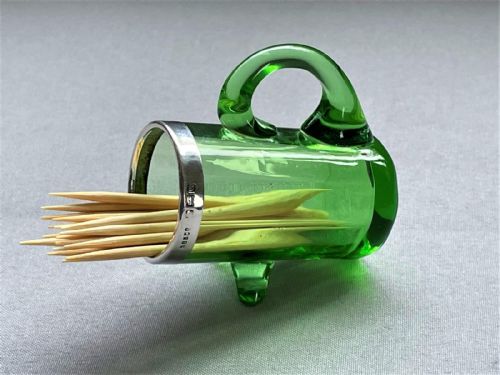
The selections on this page demonstrate how makers applied traditional craftsmanship to diminutive forms, creating functional timepieces, decorative lighting, and intricate display vessels. Miniature glass elements frequently combine with brass, crystal, enamel, and sterling silver components.
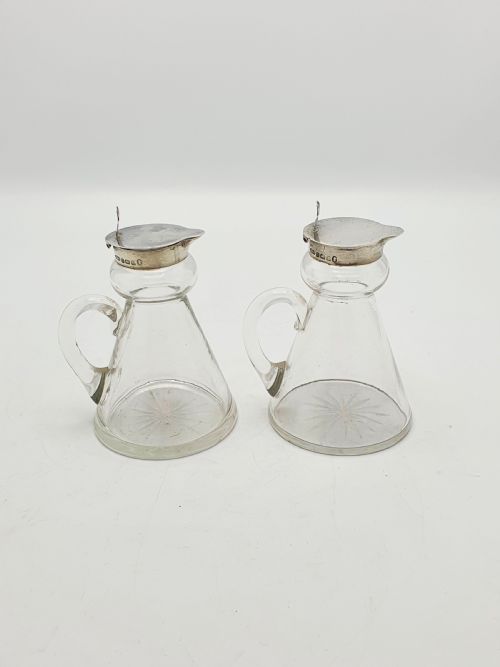
Buyers will find that many pieces serve specific decorative or domestic functions, from small whiskey noggins to snuff bottles and bottle whimsies. These works reflect the Victorian and Edwardian fascination with meticulous scale and household novelty.
How vintage glass miniature items were made
Makers utilised glassblowing, moulding, and lampwork techniques to achieve fine detail at a reduced scale, often shaping molten material over a flame. Clear, amber, milk, and white glass formed the basis for vessels, figures, and lighting components.
Metalwork frames in brass and sterling silver frequently support or encase the glass elements, secured with turned feet, hinges, or mounts. Cabinets and display pieces incorporate mahogany and oak woodwork to house these fragile items.
Vintage Glass Miniature Retail Price Guide 2026
Typical asking prices for vintage glass miniature among the pieces listed under this phrase on Sellingantiques today, from the lower quarter to the upper quarter. They describe what is for sale here now, not the wider market.
Sailors spent months constructing intricate multi-mast sailing ships inside ordinary glass bottles using tiny tools passed through the neck.
What varies in quality
The distinction between tiers rests upon the precision of the glass formation and the integrity of the secondary materials, such as solid brass mounts or sterling silver fittings. Higher quality examples exhibit clean lampwork, crisp moulding, and secure structural joints without distortion.
Proportion and execution dictate distinction, where finer works maintain strict architectural accuracy in miniature furniture, clocks, and lanterns. The integration of specialty marks or high-grade cabinetry elevates certain pieces above standard decorative output.
J C Vickery·Hukin & Heath
The Vintage Glass Miniature Glossary
- Lampwork
- A technique where an artist melts glass rods using a torch to shape miniature figures and delicate components. This method allows for high precision in small-scale creations.
- Bag chandelier
- A small-scale lighting fixture featuring a gathered bag shape formed of crystals and glass drops. These fixtures were popular during the Edwardian period.
- Whiskey noggin
- A small drinking vessel, typically holding a single measure, often fitted with a sterling silver mount and hinged lid. They frequently appear alongside miniature glassware.
- Bottle whimsy
- A folk art object containing carved wooden or glass elements housed entirely inside a sealed glass bottle. Creating these required immense patience and dexterity.
- Moulded glass
- Glass shaped by pressing molten material into a metal or wooden matrix to achieve a repeatable pattern. This technique produced structured details for lanterns and decorative objects.
Vintage Glass Miniature: Frequently Asked Questions
What are vintage glass miniature items?
These pieces comprise small-scale decorative objects, lighting, and vessels incorporating glass elements created during the 19th and early 20th centuries.
They encompass items such as bag chandeliers, hanging lanterns, snuff bottles, and lampwork figures designed for compact display.
How were glass miniature pieces used?
Many served as decorative accessories for Victorian and Edwardian interiors, while others fulfilled practical roles as miniature clocks, lighting fixtures, or drinking vessels.
Cabinet pieces and bottle whimsies were often displayed on tabletops or within specialist collectors cabinets as conversation items.
How do I care for vintage glass miniatures?
These delicate objects require gentle dusting with a soft, dry brush and protection from sudden temperature changes to preserve the glass and mounted metalwork.
Avoid using harsh chemical cleaners on enameled surfaces, lampwork details, or sterling silver mounts.
How can I tell Victorian from Edwardian pieces?
Victorian examples often lean towards ornate Gothic detailing, heavy brass carriage clocks, and dense folk art constructions like bottle whimsies.
Edwardian pieces frequently display lighter bag chandeliers, refined crystal structures, and restrained brass or silver mounts.