



Vintage Glass Mascot
These vintage glass mascot pieces are striking Art Deco motoring ornaments and paperweights that bring sculptural elegance to any desk or display.
Vintage Glass Mascot
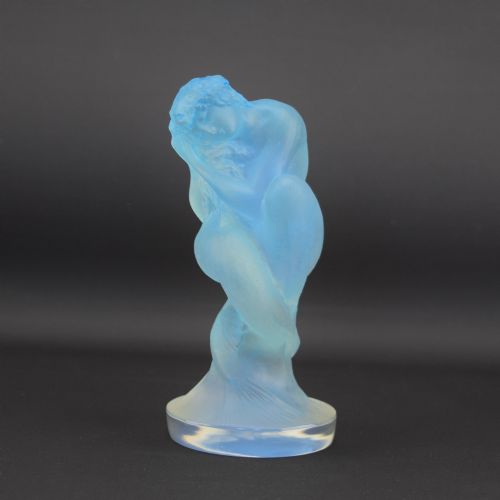
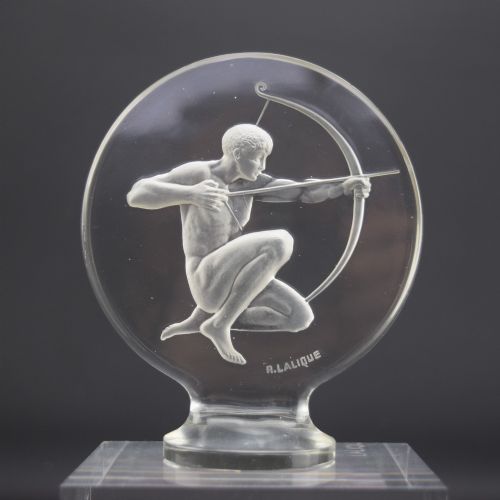
When you search for vintage glass mascot items, you encounter distinctive Art Deco car mascots and decorative paperweights originating from the nineteen twenties and nineteen thirties. These sculptural objects primarily take the form of car mascots and decorative figures representing birds, animals, and mythological subjects.
You are most likely to meet pieces modelled as eagles, sparrows, herons, fish, and elephants, alongside female figures. Many examples double in utility as paperweights while retaining their original automotive roots.
How vintage glass mascot pieces were made
Makers utilised moulded and pressed glass techniques to achieve high-relief three-dimensional forms. Clear, frosted, opalescent, and topaz glass define the physical substance of these decorative objects.
Vintage Glass Mascot Retail Price Guide 2026
Typical asking prices for vintage glass mascot among the pieces listed under this phrase on Sellingantiques today, from the lower quarter to the upper quarter. They describe what is for sale here now, not the wider market.
Current listings feature pieces exclusively from the nineteen twenties and nineteen thirties, spanning the Art Deco period.
What varies in quality
The sophistication of the modelling separates finer examples from standard production. Crispness in the rendering of feathers, facial expressions, and anatomical detail marks the upper tier of the range.
The optical quality of the glass itself, particularly the depth in opalescent and topaz pieces, dictates visual success. Superior distribution of frosting and clarity elevates the sculptural presence of the ornament.
Rene Lalique
The Vintage Glass Mascot Glossary
- Car Mascot
- A sculptural ornament mounted on the radiator cap of an automobile during the early twentieth century. These items were detachable and frequently repurposed as desk ornaments.
- Opalescent Glass
- Glass that displays milky, bluish, or amber tones when viewed in reflected light due to the inclusion of specific chemical agents. This effect shifts according to the angle of illumination.
- Moulded Glass
- Glass formed by pressing molten material into a metal or wooden mould to achieve a predetermined shape and surface relief. This technique allows for repeatable, intricate sculptural details.
- Topaz Glass
- A distinctively coloured transparent yellow-brown glass used in decorative objects and car mascots. It yields warm golden highlights under direct light.
- Paperweight
- A small, heavy decorative object placed on loose papers to prevent them from blowing away. Many car mascots transition naturally into this secondary desk function.
Vintage Glass Mascot: Frequently Asked Questions
What is a vintage glass mascot?
A vintage glass mascot is a decorative sculptural piece originally designed to mount on the radiator cap of a motor car during the Art Deco era. These ornaments depict birds, animals, and mythological figures rendered in moulded and opalescent glass.
Many of these objects transitioned into use as desk paperweights once motoring fashions changed. Their distinct forms reflect the design priorities of the nineteen twenties and nineteen thirties.
How were glass car mascots used?
Drivers mounted these glass sculptures onto the radiator caps of automobiles to personalise their vehicles during the interwar period. The heavy glass caught the daylight and provided a prominent focal point at the front of the car.
Over time, owners removed many of these ornaments from vehicles to preserve them indoors. They function effectively as decorative objects and paperweights in domestic settings.
What materials are used?
These pieces consist primarily of moulded, pressed, and crystal glass. Makers utilised clear, frosted, opalescent, and topaz formulations to achieve different visual effects.
Surface treatments such as frosting enhance the contrast between raised relief details and recessed areas. The glass relies on weight and substance to serve as both mascot and paperweight.