



Vintage Glass Lens
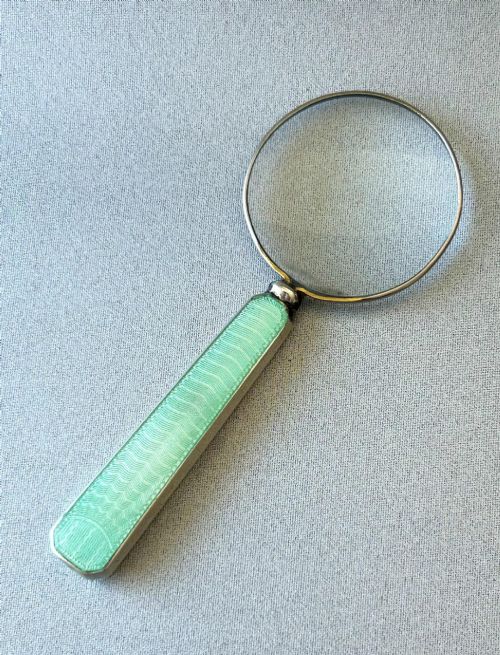
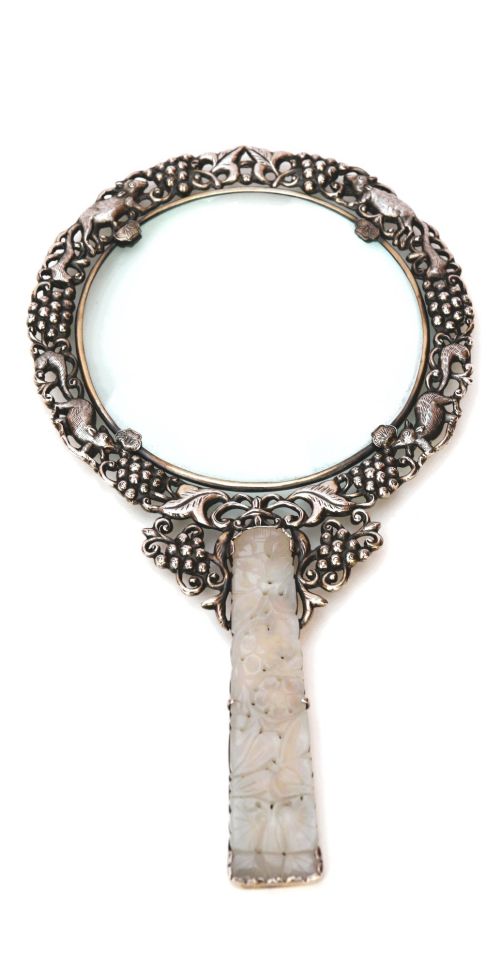
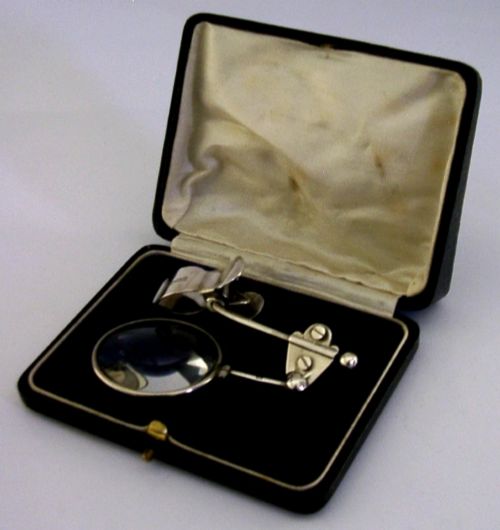
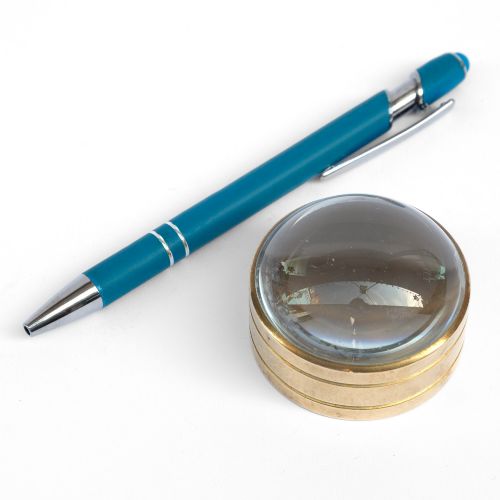
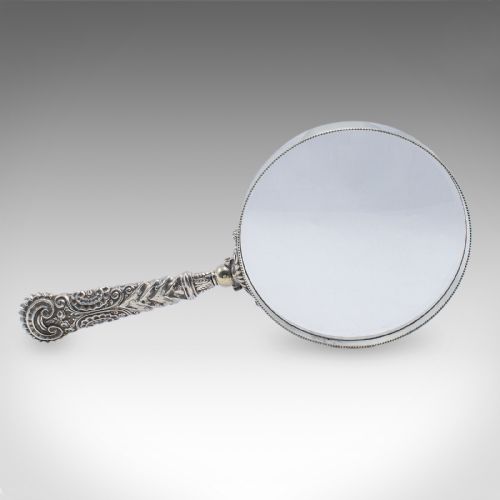
These vintage glass lens examples range from Georgian hand readers to Art Deco desk tools, offering clear optics set in silver, brass, and shagreen.
Vintage Glass Lens
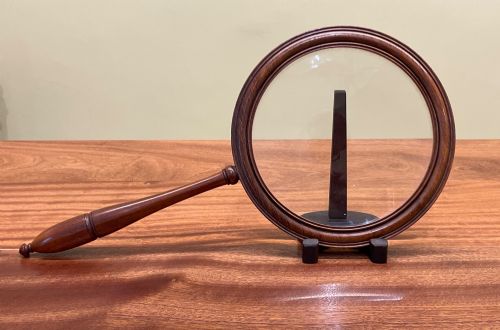
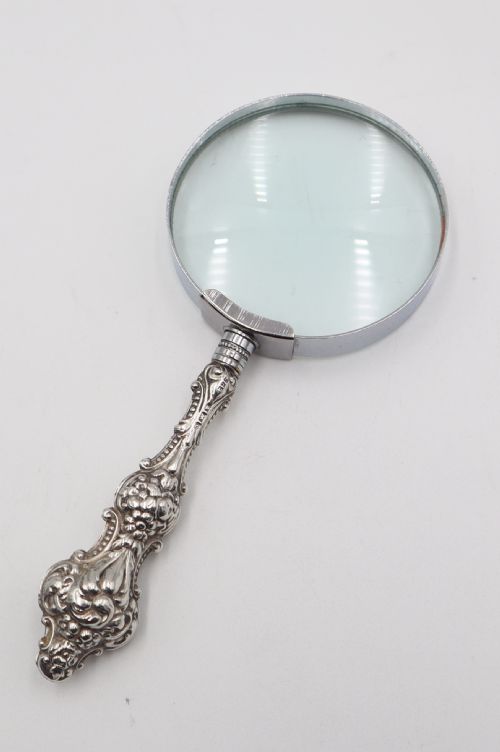
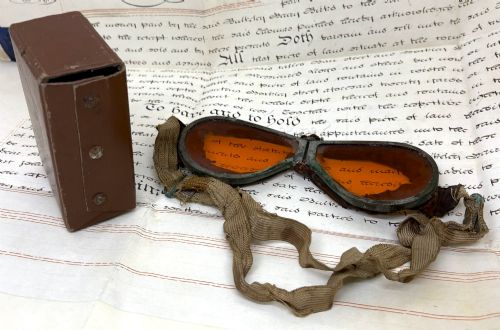
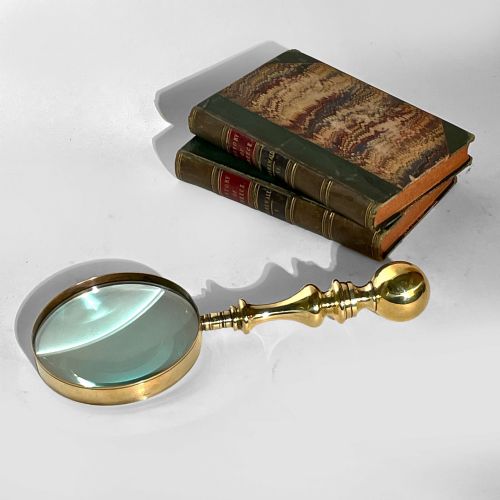
A vintage glass lens search covers practical optical instruments and desk accessories, from simple magnifying glasses and reading aids to scientific test lenses and aviation goggles. The most common forms found here are magnifying glasses mounted in silver or brass, alongside desk lenses and specialised pocket magnifiers.
Makers span the Victorian and Edwardian eras through the interwar period and Art Deco years, utilising traditional mounts of sterling silver, silver plate, brass, and shagreen. Items range from folding desk models on stands to handheld library tools and fitted optical test kits.
Materials and construction
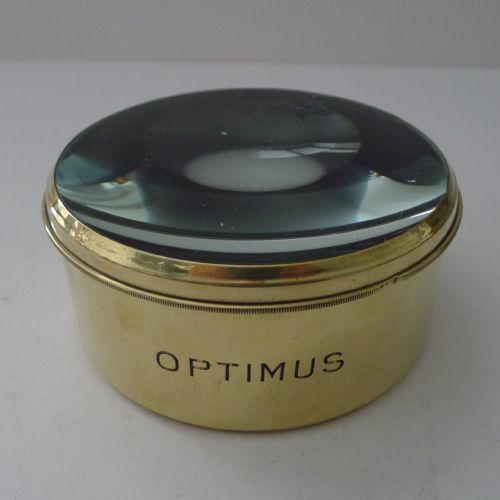
Optics are formed from heavy clear or tinted glass, shaped into magnifiers, bullseye lenses, and specialised test pieces. These glass elements are housed in turned brass, cast metal, or silver mounts.
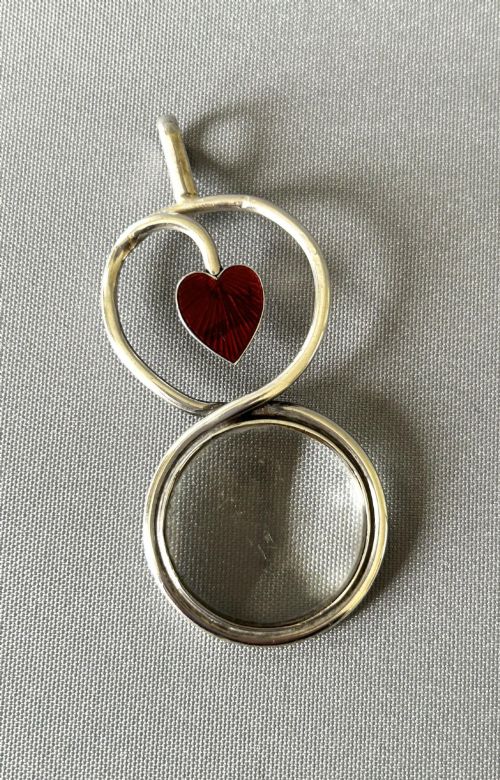
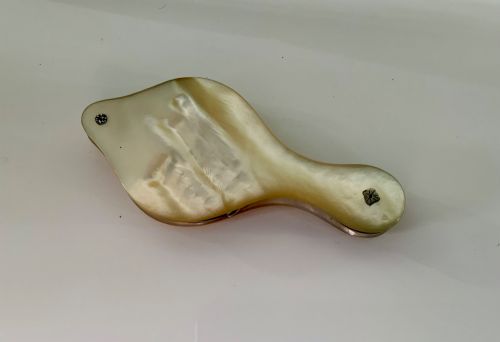
Handless and handled pieces utilise precious metals, mother of pearl, jade, celluloid, and shagreen. Mounts often incorporate mechanical pivots, folding joints, and engraved silver plate or guilloche enamel work.
Vintage Glass Lens Retail Price Guide 2026
Typical asking prices for vintage glass lens among the pieces listed under this phrase on Sellingantiques today, from the lower quarter to the upper quarter. They describe what is for sale here now, not the wider market.
Materials represented across the catalogue include solid sterling silver, silver plate, brass, steel, mother of pearl, jade, celluloid, and shagreen.
Judging quality and execution
Quality rests upon the clarity and weight of the glass lens itself, alongside the precision of any mechanical pivoting joints or folding frames. Finer examples feature substantial precious metal mounts, specialised makers' marks, and well-preserved natural materials like shagreen or mother of pearl.
The finish of the housing distinguishes standard utility items from luxury library accessories. Pieces bearing recognised maker signatures or patent details demonstrate superior craft in both the optical glass and the fitted metalwork.
P H Vogel & Co·Francis West of Fleet Street London·CW Dixey London
The Vintage Glass Lens Glossary
- Guilloche enamel
- Enamel work featuring repetitive engine-turned geometric patterns beneath a translucent coloured layer.
- Shagreen
- Untanned skin with a granular surface, historically prepared from shark or ray skin and utilised for luxury grips and desk sets.
- Stanhope lens
- A cylindrical optical lens that produces a microscopic photograph visible when held to the eye.
- Bullseye lens
- A thick, hemispherical or convex glass lens designed to concentrate light or magnify a broad field.
- Test glasses
- Precision optical lenses used by opticians and optometrists for vision testing, typically retained in fitted wooden cabinets.
Vintage Glass Lens: Frequently Asked Questions
How do I clean a vintage glass lens?
Wipe the glass gently with a soft, lint-free cloth and mild lens cleaner, avoiding abrasive materials that might scratch the surface.
Keep moisture away from historical mounts, particularly shagreen, silver plate, and enamel, to protect the original construction.
Are these lenses suitable for daily reading?
Many historical magnifying glasses remain entirely functional for reading small print, examining maps, or inspecting fine details at a desk.
Heavier desk models and pivoting stand lenses offer stable, hands-free magnification for prolonged use.
What periods do these lenses come from?
The selection spans from Georgian and Victorian pieces through Edwardian designs to 1930s Art Deco examples.
Earlier items often feature hand-worked silver and natural materials, while interwar pieces showcase streamlined shagreen and guilloche finishes.
How are pocket magnifiers different from desk lenses?
Pocket magnifiers usually incorporate folding mechanisms, protective cases, or slim handles designed for portability and travel.
Desk lenses tend to be heavier, often featuring solid brass mounts, weighted bases, or pivoting stands intended to remain stationary.