
Vintage Glass Globe
These vintage glass globe examples bring distinctive illumination and character, spanning Victorian lighting and Art Deco pendant designs.
Vintage Glass Globe
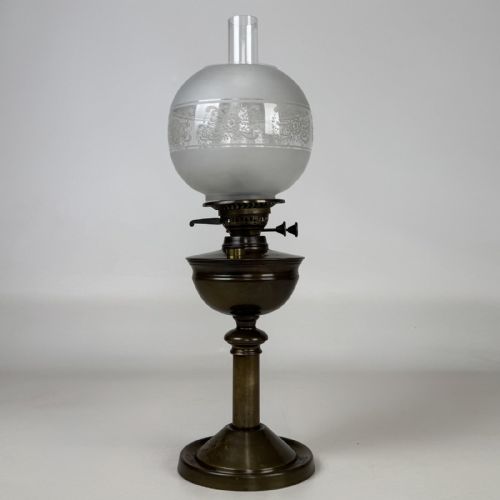
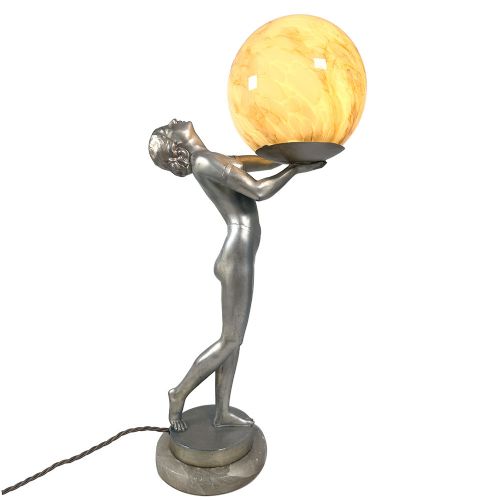
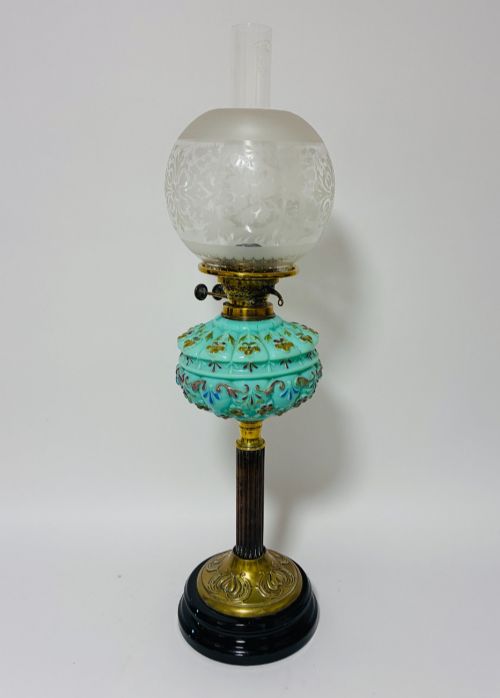
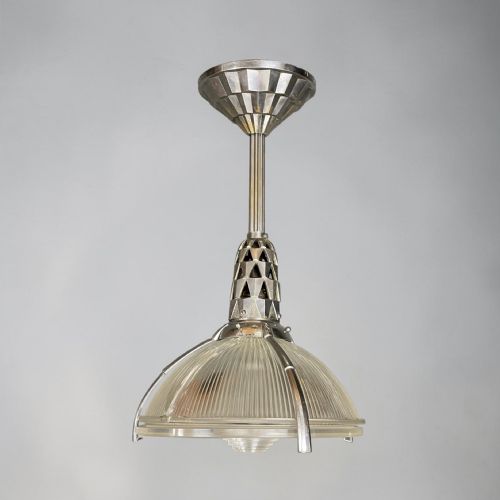
When you search for a vintage glass globe, you encounter various lighting fixtures and vessels from periods spanning the Victorian era through the 1930s. The evidence shows these items appearing predominantly as pendant lights, oil lamps, and table lamps featuring spherical or rounded forms.
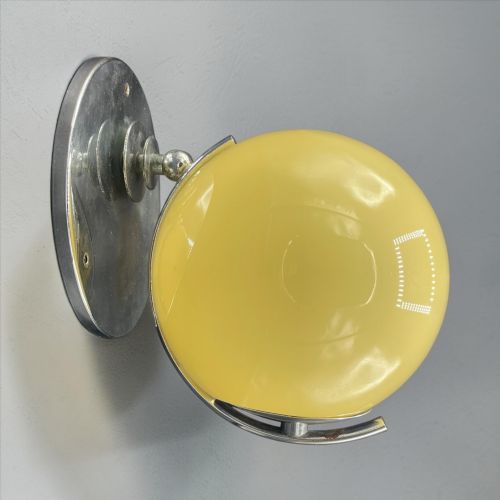
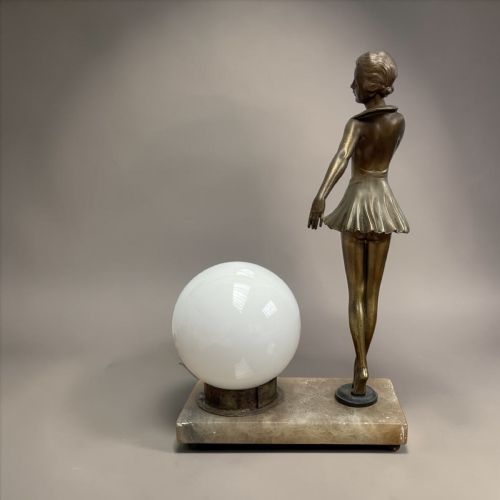
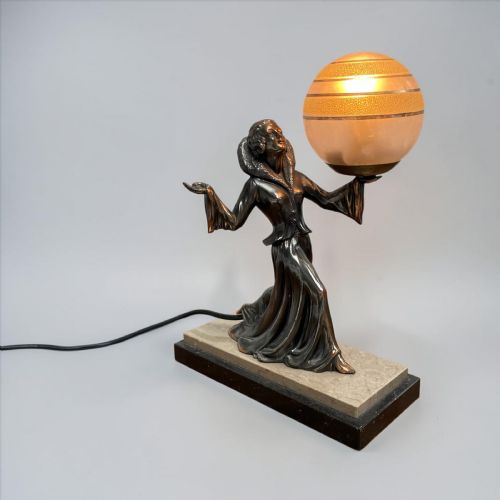
Most examples originate from the 1920s Art Deco period or the Edwardian and Victorian eras. Alongside hanging pendants, the listings include apothecary jars and carboys that utilise spherical glass bodies for storage or display.
Materials and methods
The pieces combine blown or cut glass with mounts and bases formed from brass, copper, oak, mahogany, and marble. Glass globes often utilise opaline, smoked, or cranberry glass to diffuse light effectively.
Metal components provide structural support for hanging pendants and oil lamp reservoirs, whilst wooden bases and sectional cabinets use oak and mahogany.
Materials recorded across the inventory include brass, copper, marble, and ceramic alongside traditional hardwoods and hand-blown glass.
Assessing quality in vintage glass globe lighting
Quality rests upon the weight and clarity of the glass, alongside the precision of brass or copper mounts and fittings. Hand-blown glass exhibits subtle variations that mark it apart from mass-produced alternatives.
The integration of materials determines the overall standard, where solid mahogany or oak cabinetry and heavy brass bases complement the integrity of the glass globe.
Globe Wernicke·Lebus·Hinks of Birmingham·Émile-Jacques Ruhlmann
The Vintage Glass Globe Glossary
- Opaline glass
- Opaque or translucent glass with a milky appearance, frequently utilised in lighting shades to soften illumination. It gained popularity during the nineteenth and early twentieth centuries.
- Carboy
- A large spherical glass bottle or vessel, often housed in a protective basket or stand. Apothecaries used them historically for holding chemicals and liquids.
- Pendant light
- A hanging light fixture suspended from the ceiling by a cord, chain, or metal rod. These fixtures direct light downwards into a space.
- Cranberry glass
- Transparent red glass produced by adding gold chloride to the molten batch. It appears frequently in Victorian lamp shades and decorative vessels.
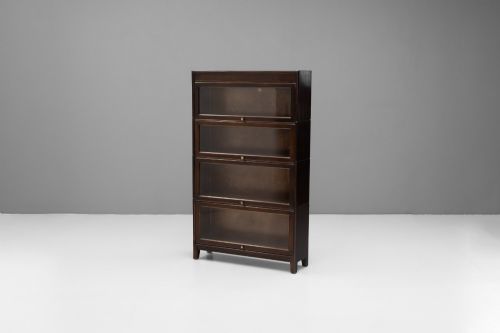
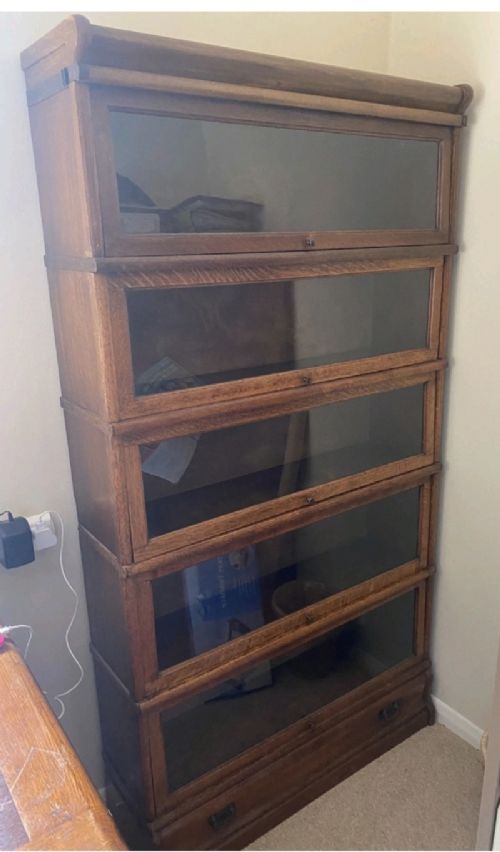
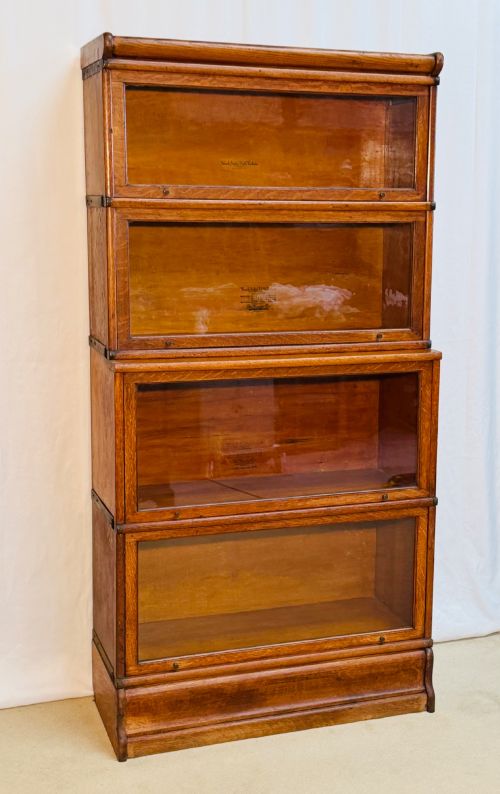
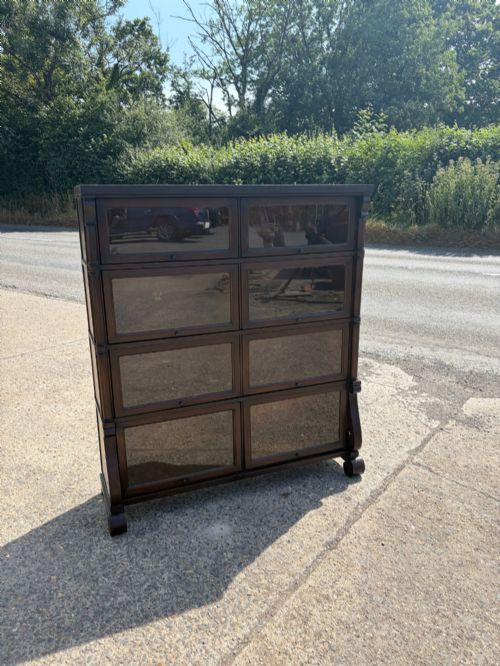
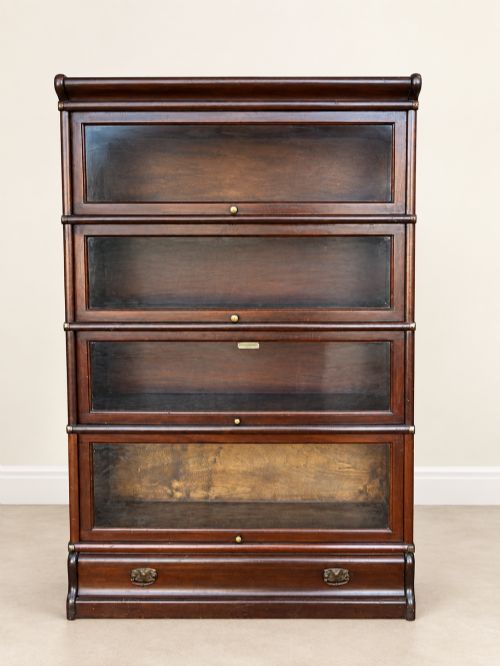
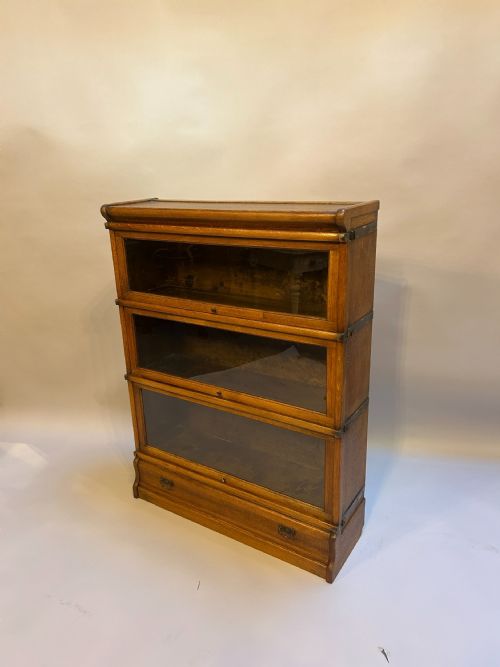
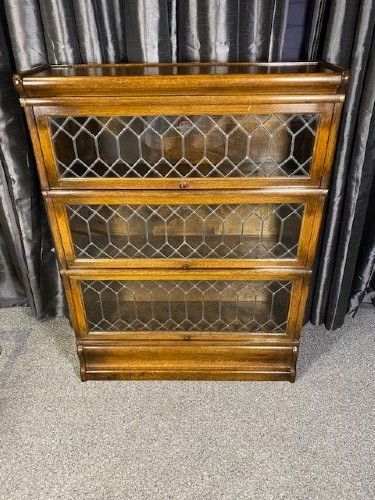
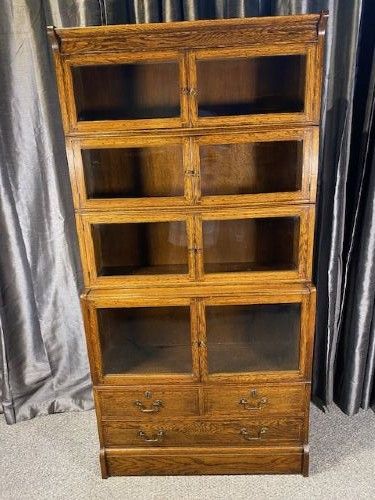
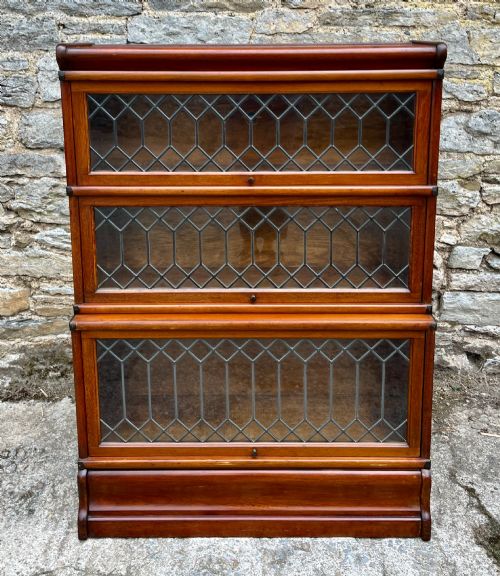
- Sectional bookcase
- A modular cabinet system consisting of stacking tiers with glass doors. This design allows individual sections to be added or rearranged.
Vintage Glass Globe: Frequently Asked Questions
How do I hang a vintage glass globe pendant?
Suspension requires a secure ceiling hook and appropriate electrical wiring suited to the weight of the metal and glass components. Professional installation ensures the fixture hangs safely at the correct height.
Check the gallery drop and ceiling rose dimensions before fitting to ensure proper clearance within your room.
What rooms suit a vintage glass globe light?
These lights fit well in hallways, kitchens, and dining areas where direct or diffused illumination is required. The spherical forms complement both industrial and period interiors.
Consider the scale of the room when selecting larger pendant lights or multi-bulb ceiling fixtures.
How do I clean vintage glass globes?
Wash the glass gently in warm soapy water using a soft cloth to avoid scratching the surface. Dry thoroughly before reattaching the shade to its metal mount.
Take care with antique brass or copper fittings, avoiding harsh chemical cleaners that might strip the aged patina.
Are these glass globes suitable for modern bulbs?
Many fixtures accommodate standard modern LED or incandescent bulbs, provided the wattage matches the fitting requirements. Check the internal dimensions of the globe to ensure the bulb clears the glass.
Opaline or smoked glass diffuses modern light outputs effectively to reduce glare.