




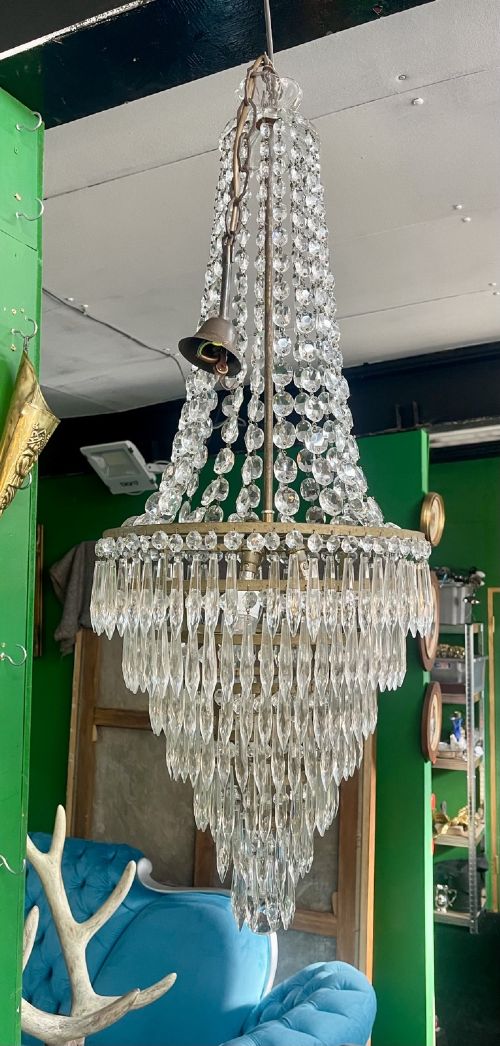
Vintage Glass Drops
Vintage glass drops catch the light across French chandeliers, pendant lights, and silver earrings dating from the nineteenth century to the Art Deco period.
Vintage Glass Drops
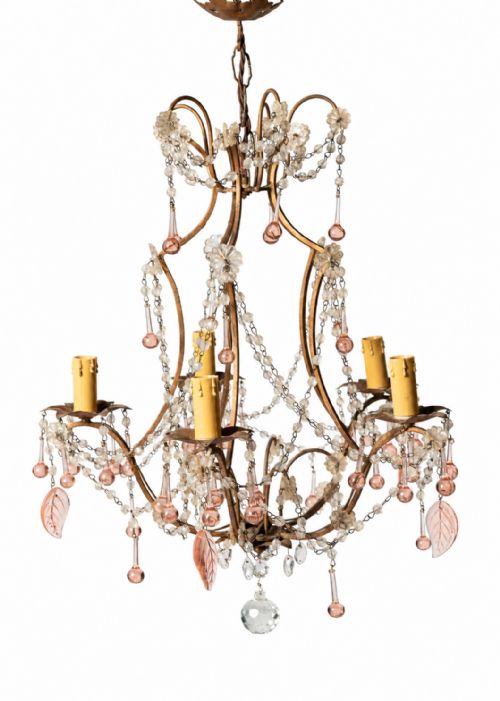
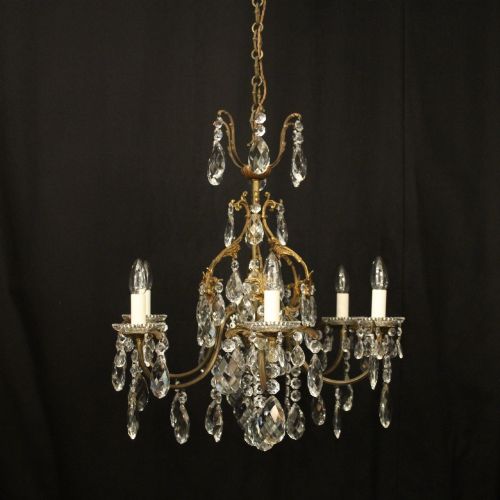
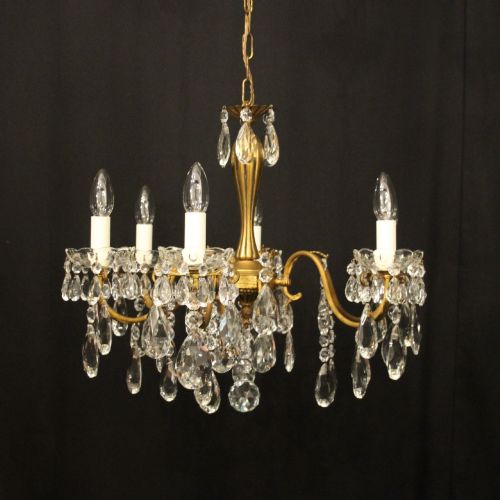
Vintage glass drops are pendant elements found hanging from lighting fixtures and items of personal adornment. When buyers search for vintage glass drops, they encounter components primarily sourced from French chandeliers, wall lights, and Edwardian paste earrings. These pieces range from nineteenth-century cut glass to 1930s Art Deco crystal formations.
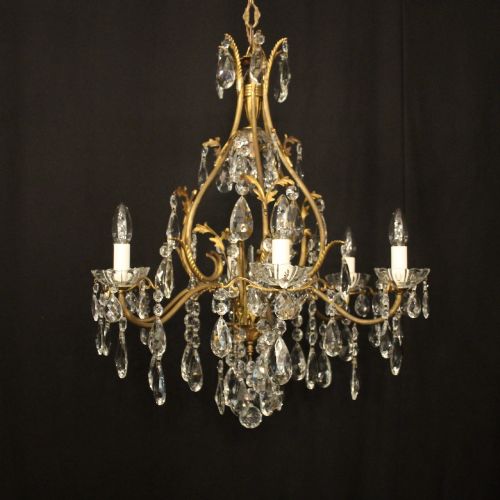
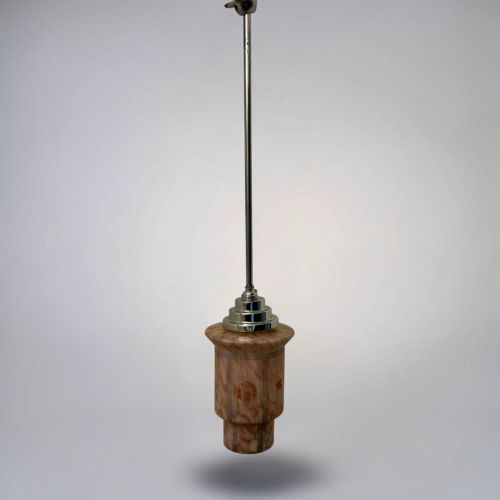
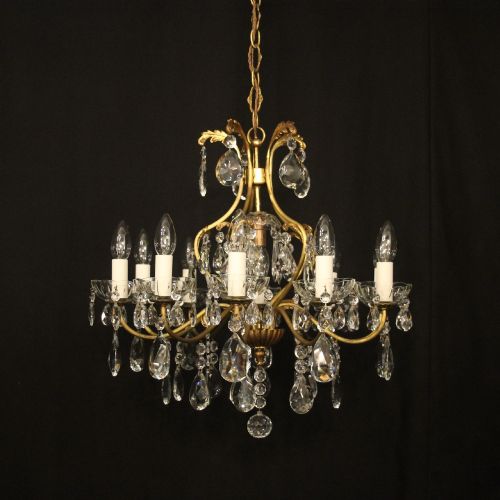
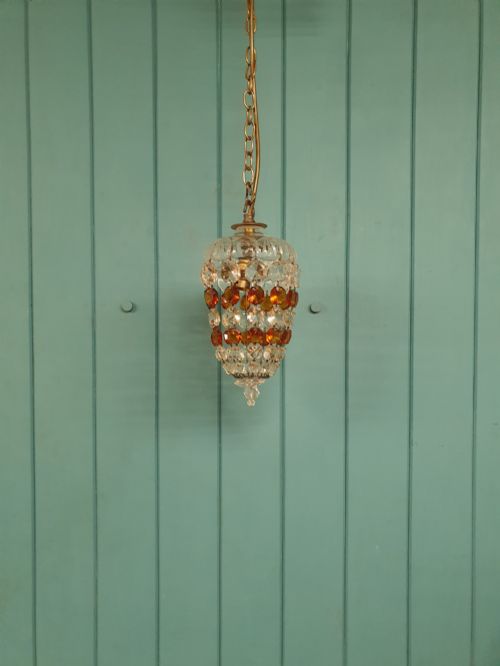
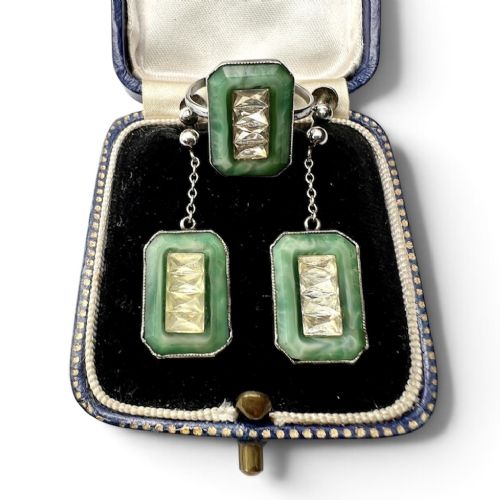
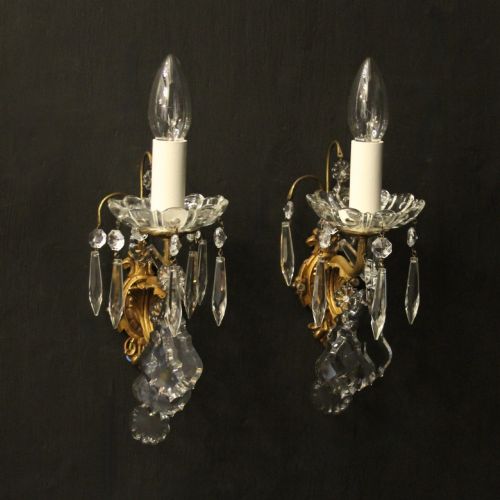
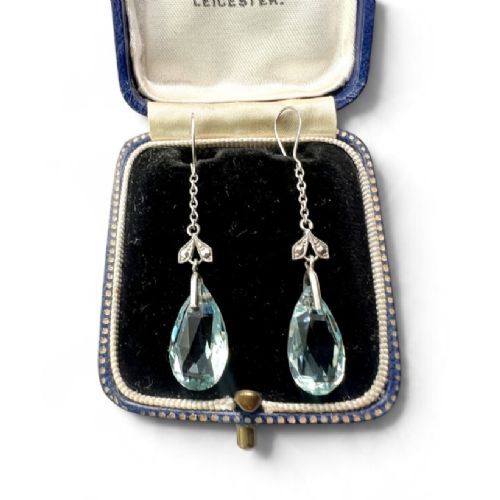
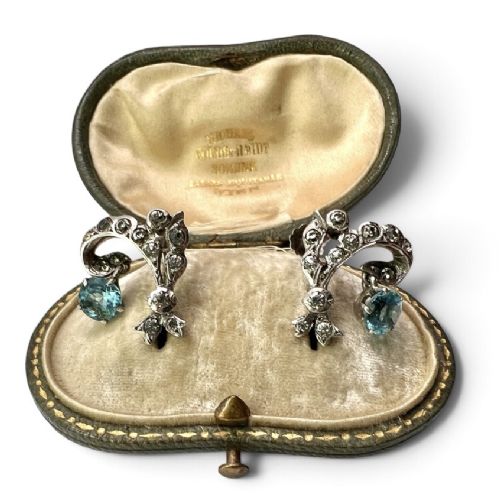
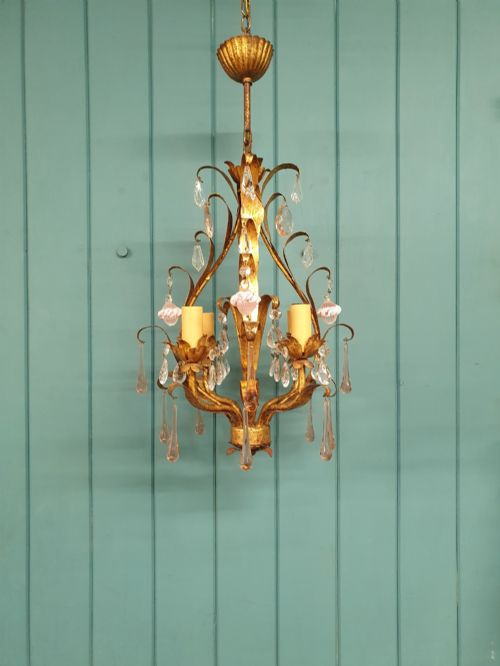
The most common items on this page are French gilded chandeliers and pendant lights featuring crystal or glass lustres. Alongside lighting, the selection includes silver and gold jewellery sets incorporating paste teardrops and coloured glass stones. The materials span clear crystal, amber glass, jade glass, and pink glass drops.
Originating largely from the 1850s through to the 1930s, these items reflect historical design styles including French Empire, French Rococo, and Edwardian aesthetics. The inventory preserves lighting components and wearable ornaments that demonstrate period manufacturing methods.
How they were made
Lighting fixtures combine brass, gilded bronze, or ormolu metal frames with hand-cut crystal and glass drops. Metal components are cast and gilded, while individual glass and crystal drops are shaped and faceted to maximise light reflection.
Jewellery pieces utilise silver and nine-carat gold settings combined with paste stones and glass drops. Metalwork involves screwback mechanisms, claw settings, and detailed filigree work to secure the hanging elements.
Vintage Glass Drops Retail Price Guide 2026
Typical asking prices for vintage glass drops among the pieces listed under this phrase on Sellingantiques today, from the lower quarter to the upper quarter. They describe what is for sale here now, not the wider market.
Materials documented across the catalogue include Crystal, Glass, Brass, Cut Glass, Silver, Gilded Brass, Gilt Bronze, and Gilt Brass.
What varies in quality
Quality differences emerge in the clarity of the glass and the precision of the faceting on individual drops. Hand-cut crystal exhibits sharper light refraction compared to simpler pressed glass variants.
The supporting metalwork also dictates overall standard, with heavier cast bronze and ormolu frames showing greater refinement than lighter brass or gilt metal constructions.
The Vintage Glass Drops Glossary
- Crystal
- A high-clarity form of glass containing lead oxide, which increases weight and light dispersion. It forms the primary material for high-end chandelier drops.
- Paste
- Hand-cut lead glass used to imitate gemstones in antique jewellery. It appears frequently in Edwardian earrings and necklace sets.
- Ormolu
- Finely ground high-carat gold mercury-gilded onto a bronze base. This technique creates a rich metallic surface on nineteenth-century lighting frames.
- Lustre
- A cut glass or crystal pendant suspended from a chandelier or wall light. Lustres catch and scatter illumination throughout a room.
Vintage Glass Drops: Frequently Asked Questions
What periods do these pieces date from?
The inventory spans from the nineteenth century through the Edwardian era up to the 1930s Art Deco period. Items originate primarily from French workshops and British jewellery traditions.
Specific dates within titles reflect the manufacturing decade or dominant stylistic period of the construction.
How were glass drops used originally?
Glass drops served primarily as reflective elements on chandeliers, pendant lights, and wall sconces to multiply candlelight or early electric light. They were also utilised in dangling earrings and jewellery sets for decorative movement.
In lighting applications, drops hang from brass or bronze frames to enhance illumination in reception rooms.
Are the jewellery pieces made of real gold?
Jewellery items utilise silver, nine-carat gold, and paste stones alongside glass drops. Settings vary from solid silver screwback mountings to gold and silver combinations.
Hallmarks and metal testing reflect standard manufacturing practices of the Edwardian and Art Deco eras.
How do I identify French chandeliers?
French chandeliers feature cast bronze, gilded brass, or ormolu frames configured in cage, tent and waterfall, or basket styles. They incorporate numerous crystal and glass drops hung from structured metal armatures.
Stylistic markers include French Empire and Rococo Revival design motifs originating from the nineteenth and early twentieth centuries.