



Vintage Glass Dome
These vintage glass dome pieces range from tall taxidermy showcases to delicate clock covers, offering a clear view of preserved specimens and mechanical movements.
Vintage Glass Dome
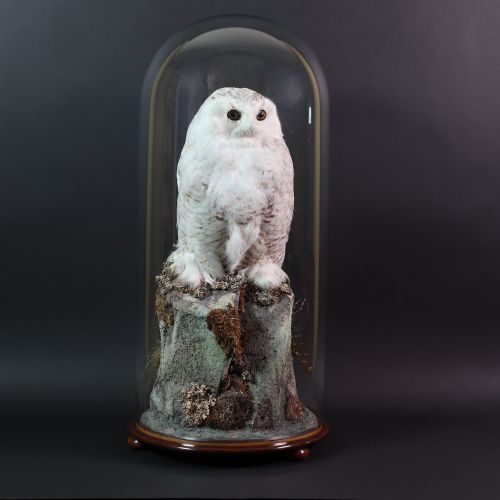
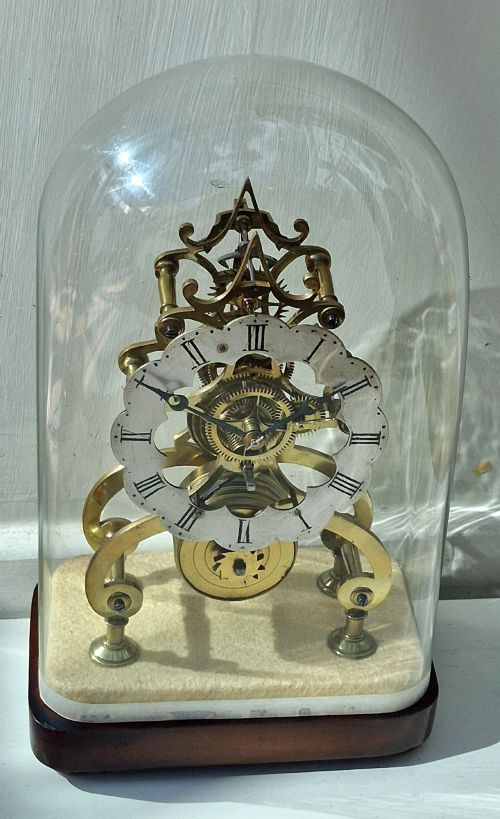
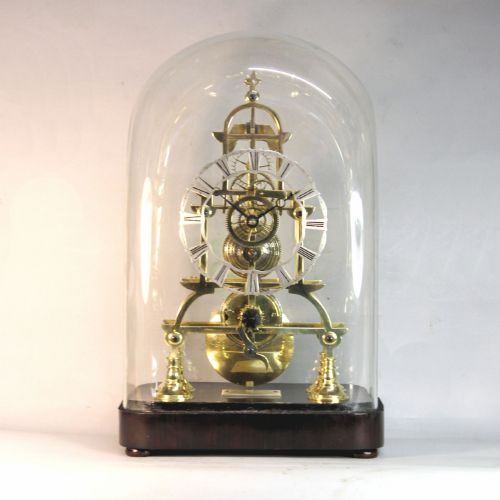
A vintage glass dome serves primarily to protect delicate objects like taxidermy, skeleton clocks, and still life arrangements from dust and damage. These enclosures appear across several periods, including Victorian, Edwardian, and the 1920s.
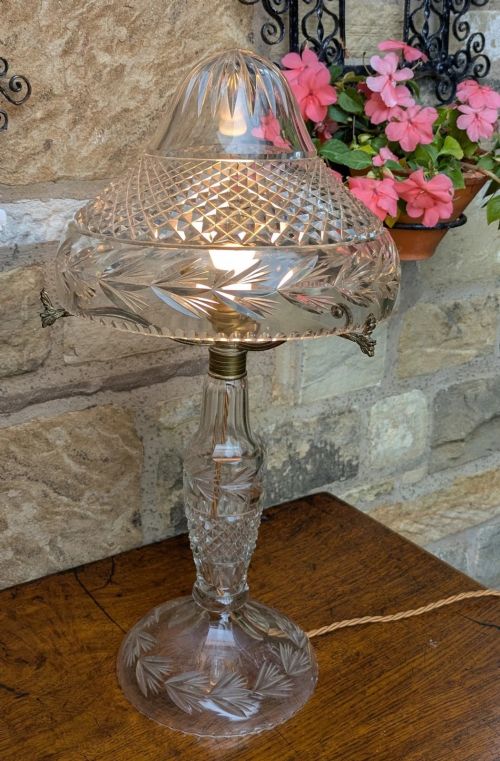
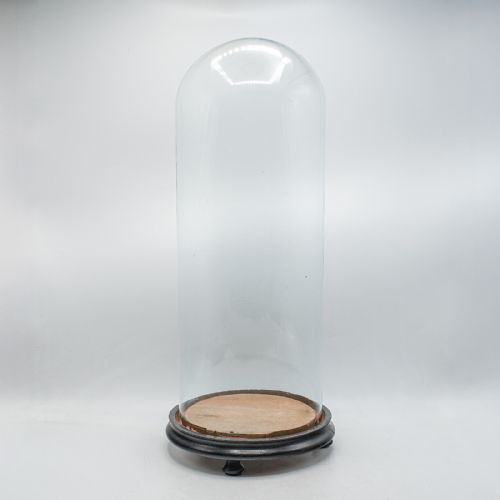
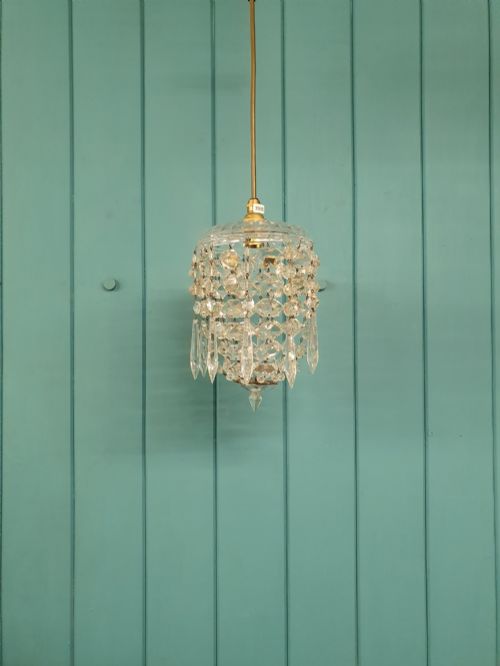
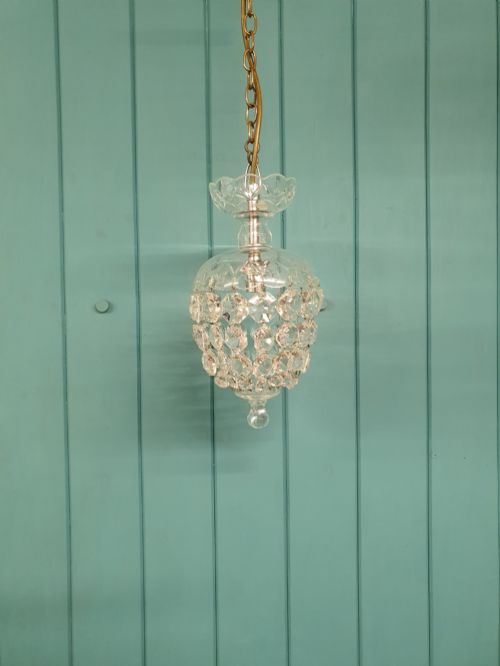
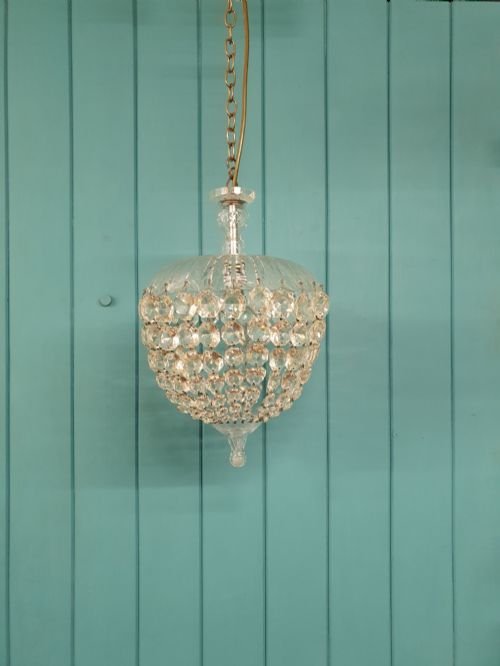
The most common examples on this page are Edwardian and Victorian display domes paired with wooden bases made from oak, beech, or ebonised wood. They also emerge in various related forms, such as clock covers, cheese dishes, and chandelier shades.
Originating largely from English workshops, these items function both as scientific display cases and decorative interior objects. Collectors select them to house specific antique items that require physical preservation while remaining visible.
Materials and construction
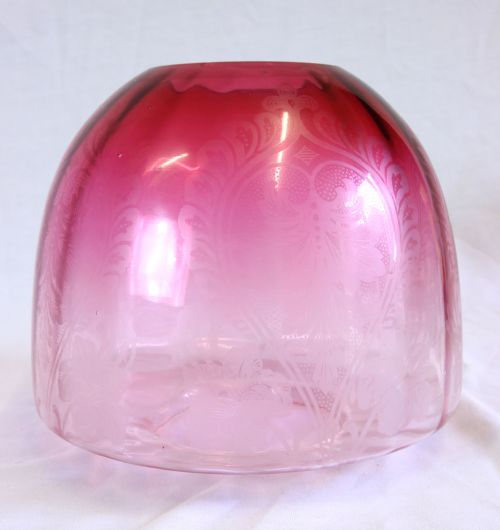
The transparent covers rely on blown or pressed glass, shaped into tall bells or circular forms with smooth, rounded tops. Glassmakers achieved clarity through traditional methods, resulting in characteristic thickness and occasional small air bubbles.
Bases are constructed from timber such as oak, mahogany, and beech, frequently turned on a lathe or finished in ebonised wood to create a stable platform. Some variants incorporate brass feet, ceramic elements, or pewter mounts to secure the glass securely in place.
Vintage Glass Dome Retail Price Guide 2026
Typical asking prices for vintage glass dome among the pieces listed under this phrase on Sellingantiques today, from the lower quarter to the upper quarter. They describe what is for sale here now, not the wider market.
Several domes retain their original nineteenth-century feathered inhabitants, carefully arranged by London taxidermists to defy the passage of time.
Assessing quality in antique domes
Quality rests heavily on the purity and uniformity of the glass itself, where minimal distortion and lack of heavy clouding distinguish superior examples. Thicker walls and smooth, even rims indicate careful handling during the original blowing process.
The join between the glass cover and its wooden or brass base determines the integrity of the piece. Well-fitted grooves and substantial timber bases demonstrate higher craftsmanship than loose or warped alternatives.
James Gardner·Maurice and Marcel Moulin Favre Bulle·Richard Winter of Chieveley·Stuart Crystal
The Vintage Glass Dome Glossary
- Dome
- A rounded glass cover used to protect interior objects. It typically sits on a matching wooden or metal base.
- Cloche
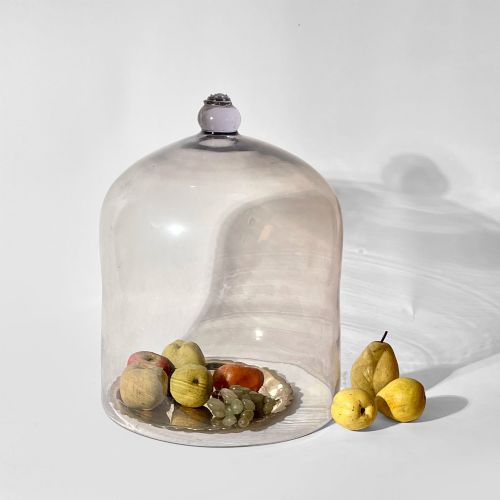
- A bell-shaped glass cover resembling a gardener's bell jar. This term often applies to smaller display covers.
- Taxidermy showcase
- An enclosure specifically designed to display preserved animals, birds, or insects. These units require generous height and stable wooden plinths.
- Ebonised wood
- Timber treated with a dark stain or finish to imitate ebony. It provides a stark contrast to clear glass.
- Torsion clock
- A mechanical timekeeper that uses a rotating pendulum, frequently housed beneath a protective glass cover. These items rely on steady environments to maintain accuracy.
Vintage Glass Dome: Frequently Asked Questions
What fits inside a vintage glass dome?
These enclosures accommodate a variety of preserved items, including taxidermy birds, botanical specimens, and intricate skeleton clocks. Collectors also place small sculptures and still life arrangements beneath them.
Selecting the correct size requires measuring both the height and diameter of the object to ensure adequate clearance beneath the curved glass top.
How do I clean an antique glass dome?
Cleaning requires warm water and a soft cloth to remove dust and fingerprints from the exterior and interior surfaces. Avoid harsh chemical cleaners that might damage aged wooden bases or fragile metal mounts.
Lifting the glass cover off the base allows safe access to the interior components without risking damage to the delicate objects displayed inside.
Are wooden bases original to the glass?
Many Edwardian and Victorian pieces retain their original turned wooden plinths, which often feature small grooves designed to hold the glass firmly. Oak, beech, and ebonised wood bases are typical of the period.
Inspect the fit between the glass rim and the base channel to determine if the components share the same age and origin.
How do I date a display dome?
Dating relies heavily on the manufacturing characteristics of the glass, such as thickness, pontil marks, and minor imperfections. Victorian and Edwardian examples generally exhibit heavier glass and turn-of-the-century timber turning styles.
Comparing the base wood and construction methods with dated clocks or taxidermy pieces from the same era helps narrow down the production period.