



Vintage Glass Display Table
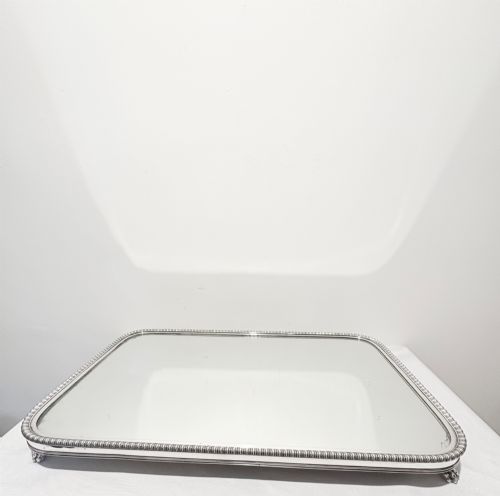
A vintage glass display table turns small treasures into room focal points, offering protected display space with a clear view from above.
Vintage Glass Display Table
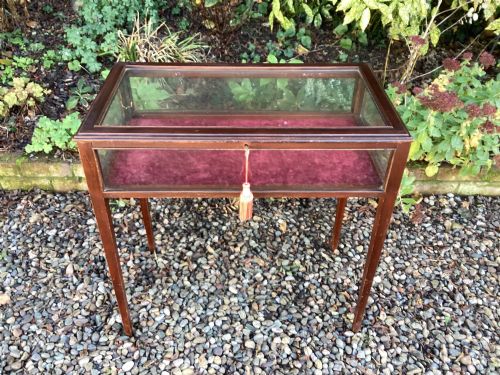
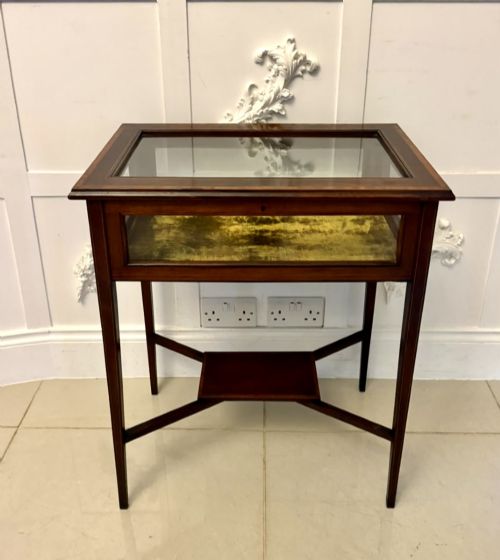
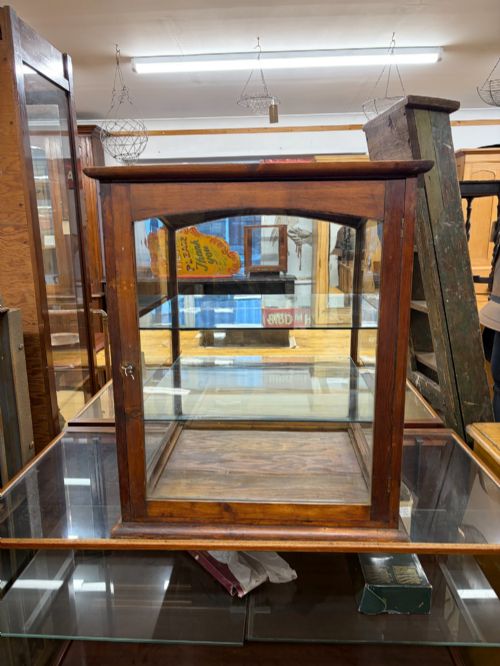
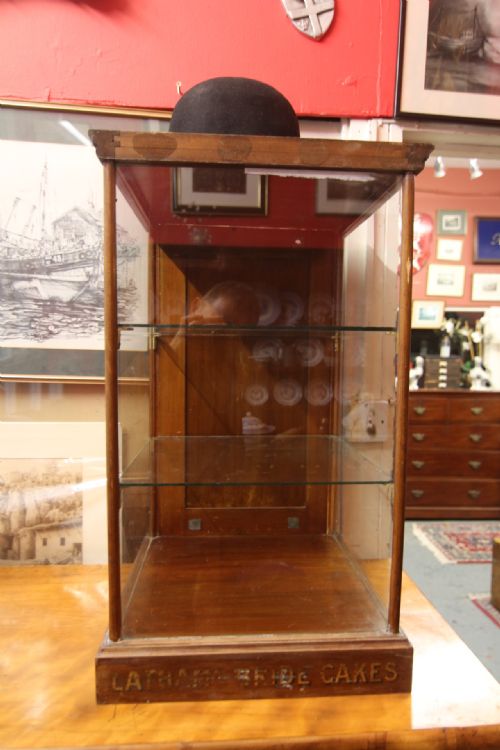
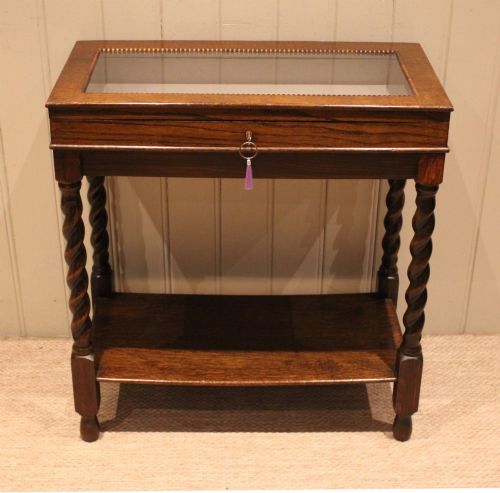
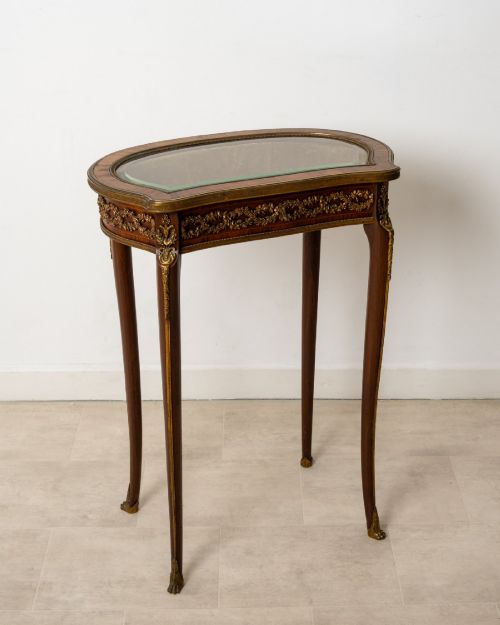
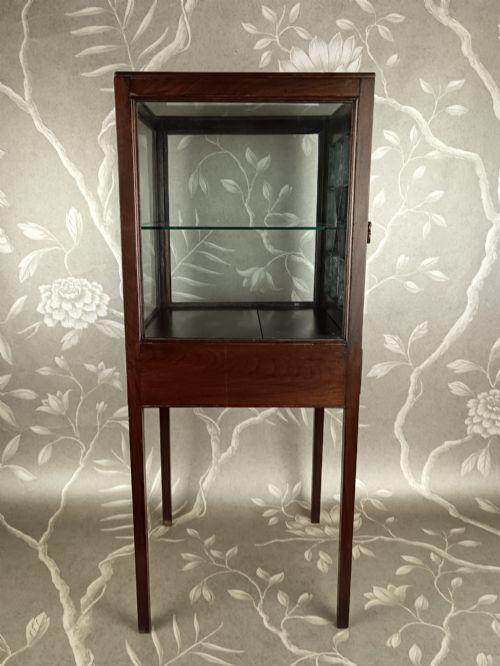
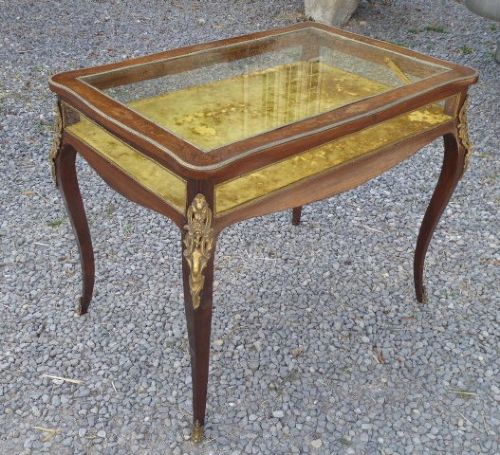
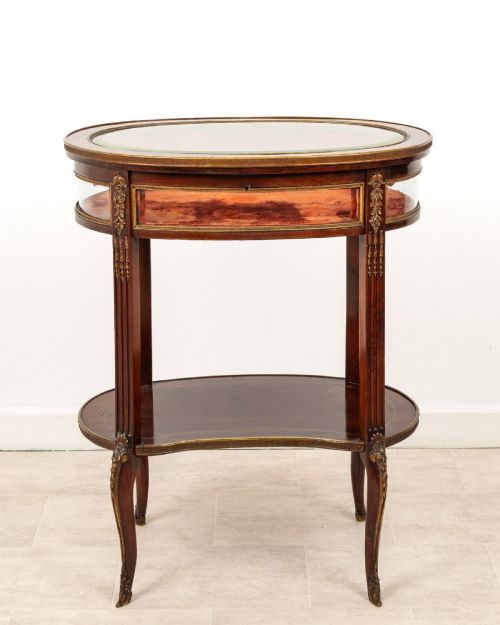
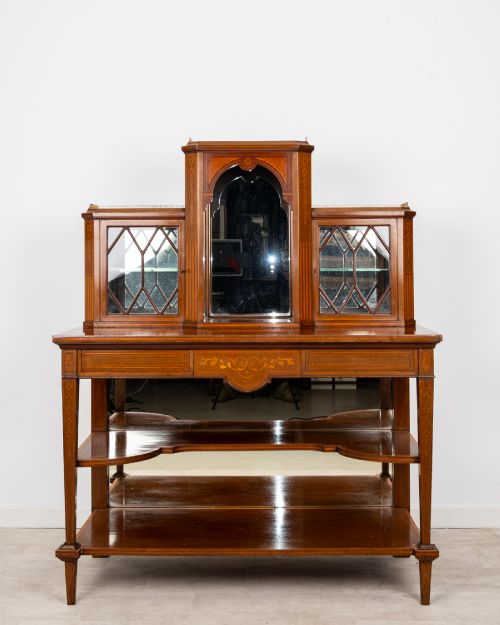
A vintage glass display table provides a surface for showing small objects while keeping them enclosed beneath a glass panel. These pieces encompass forms such as bijouterie tables, vitrines, and display cabinets created across the nineteenth and twentieth centuries. Edwardian examples in mahogany dominate the selection, often featuring glazed lids designed for jewellery or curiosities.
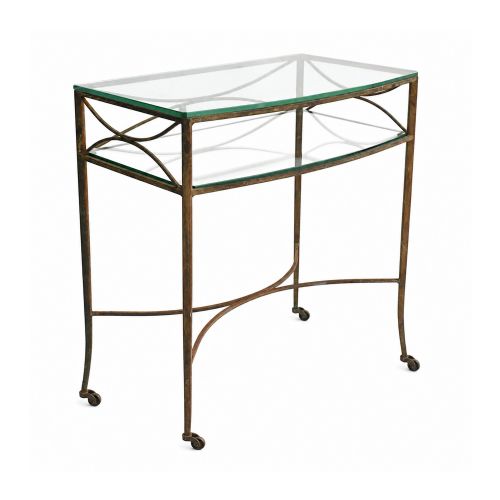
Makers drew on various historical aesthetics, producing pieces in styles ranging from Louis XVI Revival and French Rococo to Art Deco and industrial designs. Alongside dedicated bijouterie furniture, buyers encounter console tables, writing desks, and tea trolleys adapted for display purposes. Origins span English workshops, French cabinet makers, and Italian studios.
How they were made
Craftsmen built the structural frames of these tables using dense timbers like mahogany, satinwood, walnut, and kingwood, frequently applying decorative marquetry or delicate inlay work. Glazed compartments were engineered to lift or slide, allowing access to velvet or fabric-lined interiors designed to cushion delicate items.
Metal components added structural definition and ornamentation, utilising cast iron for industrial console frames alongside brass and ormolu mounts on French revival pieces. Joinery techniques varied from traditional cabinet making in Edwardian workshops to metal casting in industrial contexts.
Vintage Glass Display Table Retail Price Guide 2026
Typical asking prices for vintage glass display table among the pieces listed under this phrase on Sellingantiques today, from the lower quarter to the upper quarter. They describe what is for sale here now, not the wider market.
Selected tables carry later sign-written details for Breitling watches, hinting at past lives in high-end retail.
What varies in quality
Quality reveals itself in the choice of timber veneer and the precision of the marquetry, where tightly grained mahogany and meticulously cut satinwood distinguish finer workshops. The integration of metal mounts, such as cast ormolu or chased brass, separates standard production from exceptional pieces.
Interior execution further defines the standard, seen in the selection of silk, velvet, or fabric linings and the careful fitting of hinged glass lids. Structural integrity in the legs and frame ensures the heavy glass top remains stable during daily use.
François Linke·Crisford & Norris·Le Roy et Fils
The Vintage Glass Display Table Glossary
- Bijouterie table
- A specialised display table with a glass-topped compartment designed for holding small valuable items, medals, or trinkets. These pieces often feature hinged lids and lined interiors.
- Ormolu
- Gilded bronze ornamentation applied to furniture, popular in French revival styles and decorative pieces from the nineteenth century. The technique involves applying a mercury and gold amalgam to bronze.
- Marquetry
- The art of applying pieces of veneer to a structure to form decorative patterns and pictures. Craftsmen utilised various tinted woods to achieve detailed floral or geometric motifs.
- Vitrine
- A glass-fronted or glass-topped cabinet used for exhibiting porcelain, curiosities, or silver. These display cases range from tabletop versions to large floor-standing furniture.
- Bonheur du jour
- A light lady's writing desk featuring a small cabinet or shelving superstructure on top. Examples sometimes incorporate display spaces alongside writing surfaces.
Vintage Glass Display Table: Frequently Asked Questions
What fits inside a vintage glass display table?
These tables suit small decorative items, pocket watches, medals, porcelain, and collected curiosities that benefit from enclosed presentation.
The lined interior protects delicate objects from dust while keeping them visible from a standing position.
How do I clean the fabric lining?
Velvet and fabric interiors respond best to gentle surface dusting with a soft brush rather than liquid cleaning agents.
Removing the lining requires care if the fabric is glued directly to the wooden base of the compartment.
Are these tables sturdy enough for daily use?
Most examples function well as static display pieces or side surfaces, provided the legs and joints remain secure.
Heavy weight placed directly onto the glass panel should be avoided to prevent stress on the surrounding wooden frame.
How do I identify an Edwardian piece?
Edwardian tables typically feature lighter mahogany timbers, subtle string inlay, and refined proportions dating from the early twentieth century.
Cabinetry from this era often reflects simplified interpretations of earlier Georgian or classical French motifs.