



Vintage Glass Caster
Vintage glass caster pieces are dining table vessels crafted to hold and shake sugar or pepper, bringing functional history to modern meals.
Vintage Glass Caster
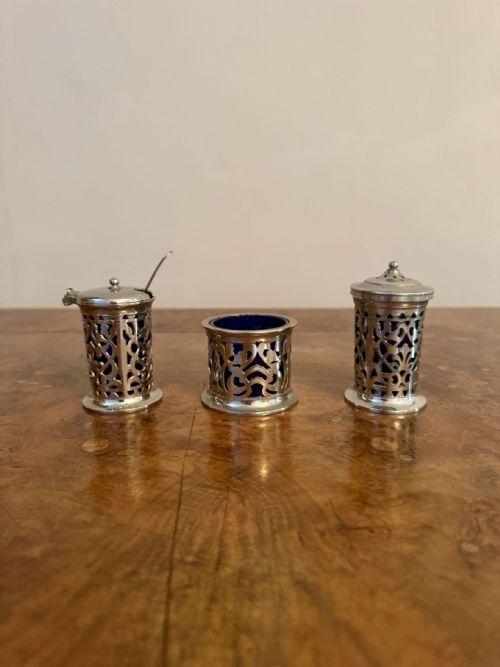
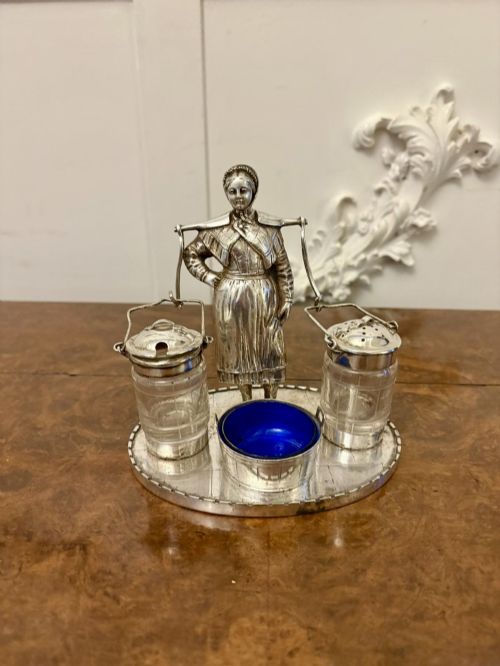
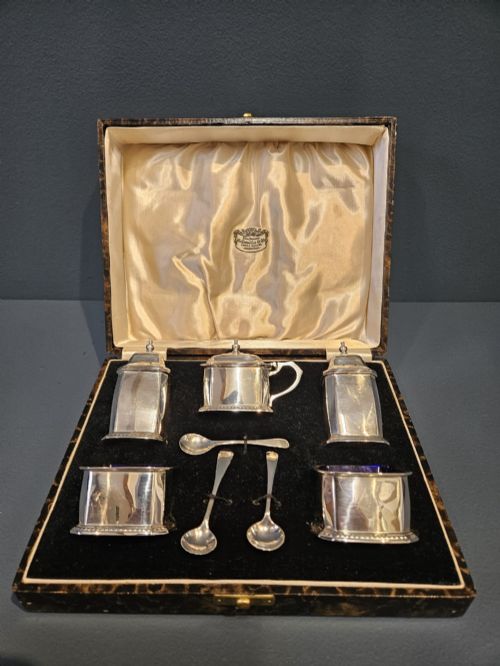
When you search for vintage glass caster items, you encounter a variety of table vessels and condiment containers designed for dining service. These pieces commonly appear alongside related table elements such as cruet sets, salt cellars, and pepper pots from various historic eras.
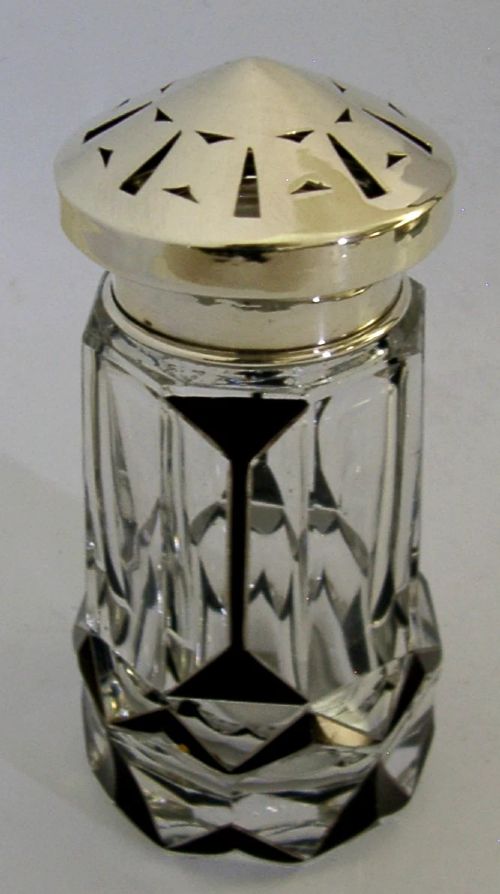
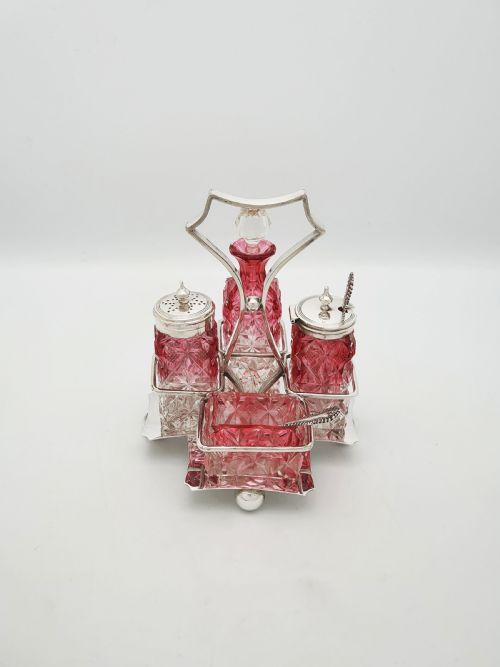
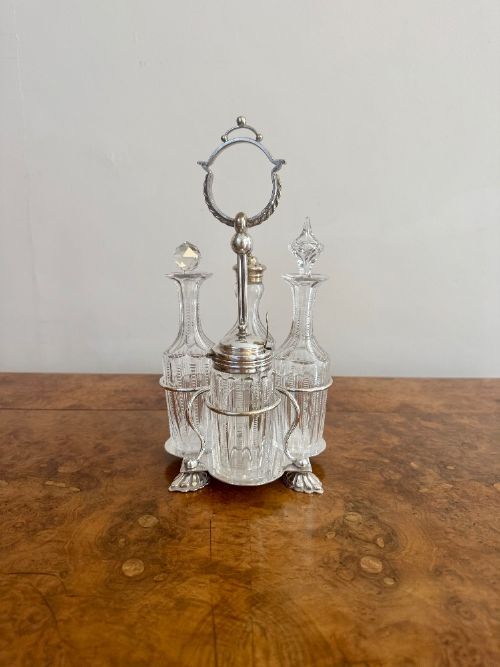
The selections available here span from Georgian and Victorian times through to the Edwardian period and mid-century British designs. You will frequently find cut glass bodies paired with silver or silver-plated mounts, alongside standalone sugar shakers and novelty pepperettes.
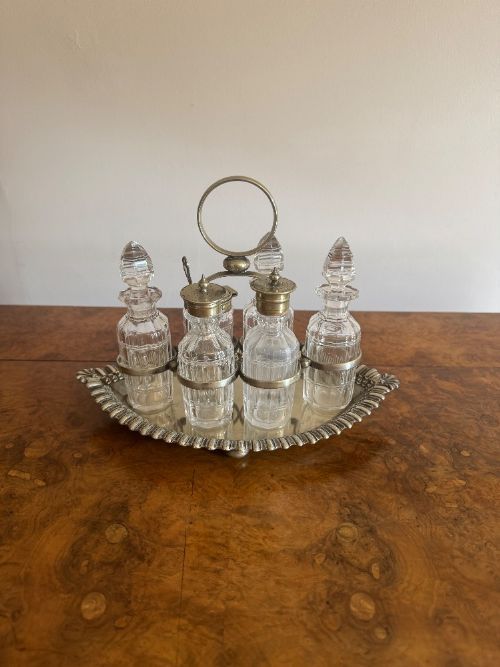
Many of these dining items originated as part of larger cruet stands or condiment sets used to organise seasonings at the table. Their survival across multiple centuries demonstrates their enduring role in formal and domestic dining traditions.
Factors influencing quality
The clarity and depth of the cut glass ornamentation dictate much of the refinement in these items. Crisp, hand-cut facets catch the light differently than simpler moulded glass surfaces.
The weight, thickness, and integrity of the metal mounts and silver tops also establish the standard of the piece. Well-preserved hallmarks, robust plating, and intricate pierced designs indicate superior craftsmanship.
Vintage Glass Caster Retail Price Guide 2026
Typical asking prices for vintage glass caster among the pieces listed under this phrase on Sellingantiques today, from the lower quarter to the upper quarter. They describe what is for sale here now, not the wider market.
Listings in this category span the 18th century, 19th century, Georgian, Edwardian, and mid-century modern British periods.
Walker & Hall·Wade Wingfield Wilkins
The Vintage Glass Caster Glossary
- Caster
- A small container with a perforated top used for sprinkling sugar or dry seasonings onto food. These vessels form the core of the items found in this category.
- Cruet set
- A matched group of bottles or containers held in a stand for vinegar, oil, salt, pepper, and mustard. They sat at the centre of the dining table for easy access.
- Cut glass
- Glass decorated by cutting facets or patterns into the surface using a wheel. This technique creates sharp edges and high optical brilliance.
- Silver plate
- A layer of silver bonded to a base metal such as copper or Britannia metal. This method provided the appearance of solid silver at a more accessible cost.
- Sugar sifter
- A tall vessel with a perforated lid designed for dusting loose sugar over desserts or pastries. They frequently feature glass bodies with precious metal tops.
Vintage Glass Caster: Frequently Asked Questions
What is a glass caster used for?
These vessels were traditionally filled with fine sugar or pepper and placed on the dining table for guests to season their food. The perforated top allowed for an even distribution of the contents.
Over time, their decorative qualities made them popular display items as well as functional tableware. Collectors frequently use them today to add period character to dining settings.
How do I date an antique glass caster?
Dating relies on examining the style of the cut glass, the manufacturing techniques used on the metal mounts, and any accompanying hallmarks. Georgian and Victorian pieces often feature heavier hand-cut glass and distinct silver hallmarks.
Later Edwardian and mid-century examples show shifts in design preferences and plating methods. Comparing the form to known period cruet sets helps narrow down the decade of production.
Are glass casters part of larger sets?
Many casters were originally produced as part of larger cruet stands or condiment sets alongside mustard pots and oil cruets. Surviving sets often retain their original fitted frames made of silver plate or ebonised wood.
Individual casters also appear on their own, having become separated from their original pairing over the centuries. Both standalone pieces and complete sets are common in historical dining collections.
How should I clean antique silver and glass?
Gentle washing in warm soapy water with a soft cloth helps remove dust and residue from both the glass and metal components. Avoid harsh chemical dips that can damage delicate silver plating or historical patinas.
Dry the pieces thoroughly immediately after washing to prevent moisture spots on the glass and tarnishing on the metal mounts. Careful handling preserves the original surfaces for future generations.