

Vintage Glass Bird
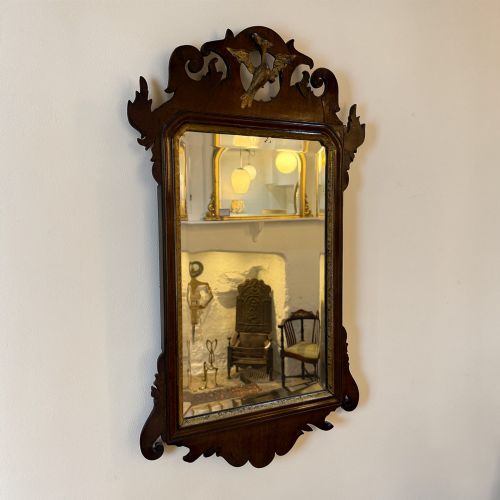
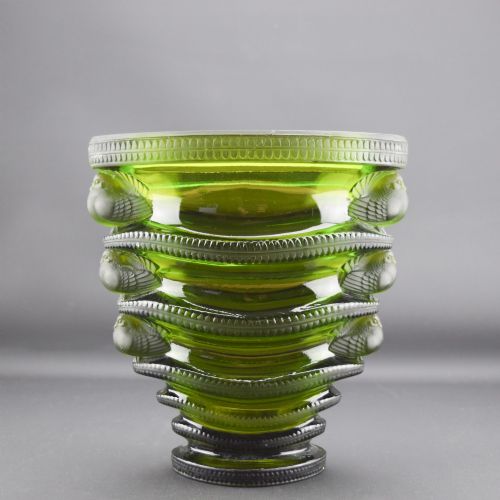
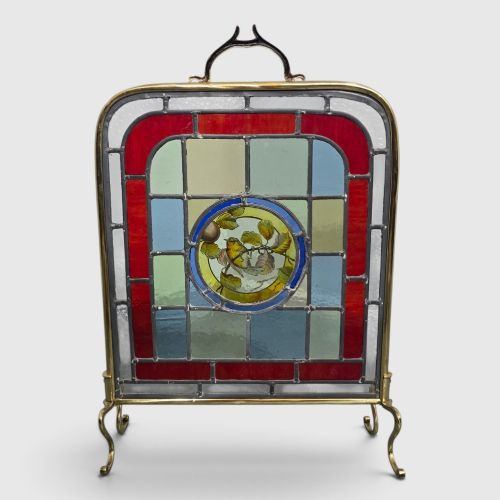
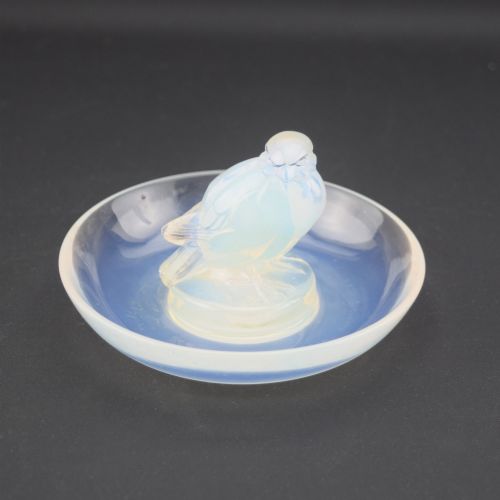
These pieces capture a vintage glass bird in sculptural forms, paperweights, and panels, offering tactile decoration for a desk or mantelpiece.
Vintage Glass Bird
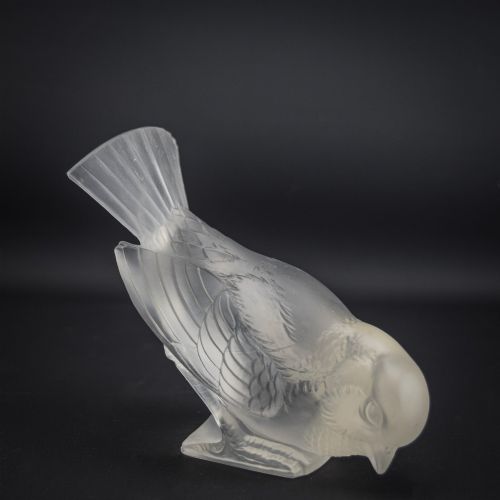
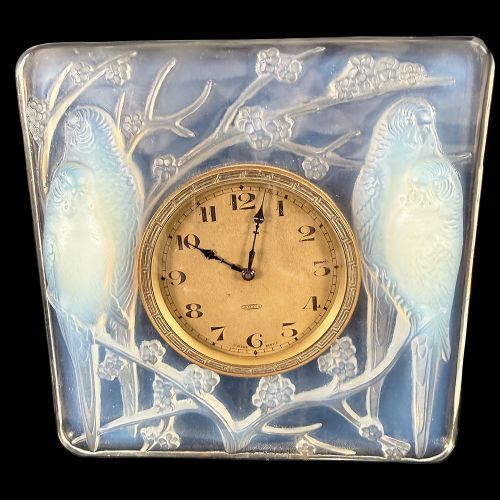
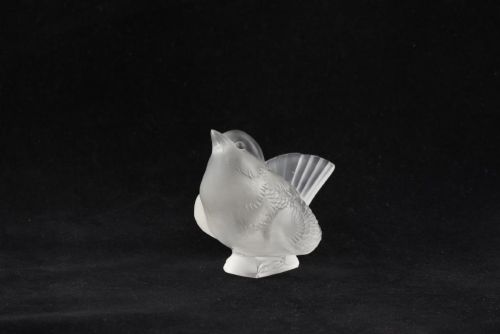
When you search for a vintage glass bird, you encounter decorative objects and paperweights produced during the Art Deco period and the early twentieth century. These items capture avian subjects through moulded or pressed forms, often utilising specialist finishes to accentuate the feather details and contours.
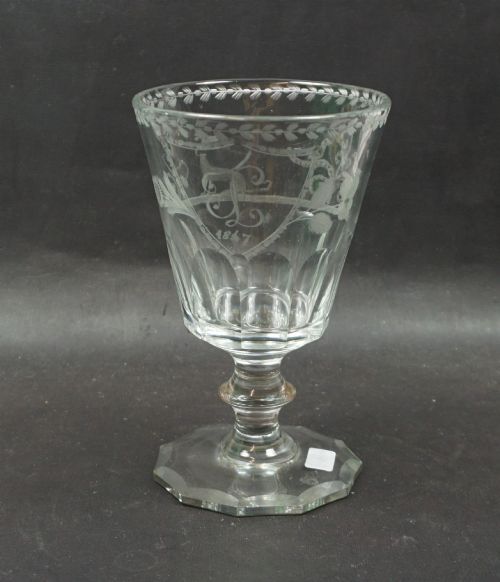
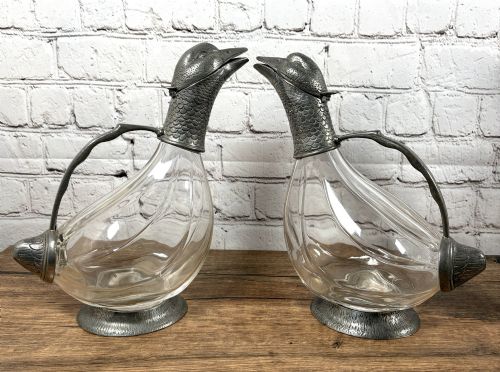
The selection frequently includes works by notable makers who employed opalescent glass, frosted surfaces, and staining techniques. Alongside standalone figurines, the listings encompass related forms where avian motifs appear within functional glassware and decorative panels from the Victorian era onwards.
How they were made
The creation of these objects relies heavily on pressing molten material into metal moulds to achieve precise sculptural relief. Makers often incorporated lead or opalescent agents into the glass mixture to produce varying degrees of translucency and milkiness.
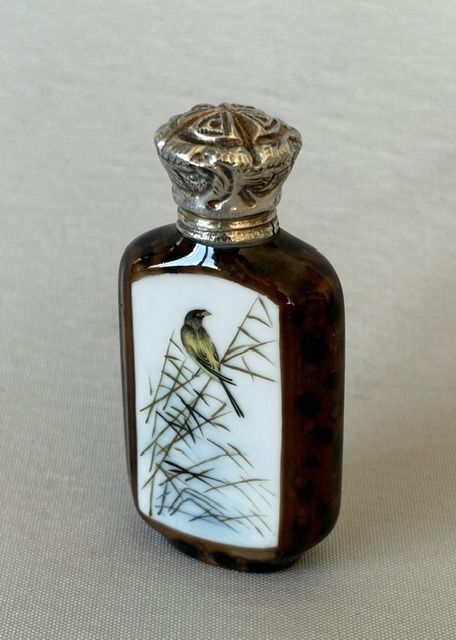
Post-moulding techniques such as acid etching, enamelling, and staining were frequently applied to highlight the plumage and depth of the design. These surface treatments create the characteristic contrast between frosted highlights and clear or coloured backgrounds.
Vintage Glass Bird Retail Price Guide 2026
Typical asking prices for vintage glass bird among the pieces listed under this phrase on Sellingantiques today, from the lower quarter to the upper quarter. They describe what is for sale here now, not the wider market.
The materials recorded span from nineteenth-century pressed glass and lead to twentieth-century frosted and stained artistic formulations.
What varies in quality
The standard of an individual piece is determined by the crispness of the moulding and the subtlety of the surface finish. Superior examples display sharply defined feather patterns and even distribution of opalescence without clouding or unwanted bubbles.
The complexity of the glass formulation and the presence of deliberate staining or patination also distinguish finer works. Pieces that retain their original mounted bases or carry distinct factory marks generally represent the higher tier of production.
Rene Lalique·Jobling
The Vintage Glass Bird Glossary
- Opalescent glass
- Glass containing agents that cause it to milky-blue in transmitted light and warm amber in reflected light. This effect adds visual depth to moulded figures.
- Frosted glass
- Glass rendered opaque through acid etching or sandblasting to diffuse light across the surface. It provides a tactile contrast to polished details.
- Moulded glass
- Glass shaped by pressing molten material into a metal or wooden matrix. This technique allowed for the mass production of consistent sculptural forms.
- Staining
- The application of coloured pigments to specific recesses of a glass design to enhance contrast. It is frequently seen highlighting plumage on avian figures.
Vintage Glass Bird: Frequently Asked Questions
How do I identify a Lalique glass bird?
Authentic pieces usually bear moulded or etched signatures corresponding to the period of production. Examine the weight, the quality of the opalescence, and the sharpness of the feather relief.
Finer examples demonstrate meticulous finishing around the base where the object was removed from the manufacturing mould. Look closely at the distribution of frosted and clear sections to confirm the maker's technique.
Where should I display a glass bird figurine?
Position these items where natural light can pass through the material, such as on a windowsill or a glass-shelf cabinet. Illumination from behind highlights the opalescent qualities and colour staining.
Ensure the placement protects the object from accidental knocks, particularly for delicate paperweights or pieces with extended tails and wings.
What is the difference between frosted and opalescent glass?
Frosted glass achieves a matte, diffusing surface texture through mechanical or chemical abrasion like acid etching. It scatters light evenly across the body of the bird.
Opalescent glass involves a chemical composition that scatters light wavelengths differently depending on the angle of illumination. This creates an interplay of milky blues and warm tones within the material itself.
How do I clean vintage art glass safely?
Wash the item gently in lukewarm water using a mild, non-abrasive detergent and a soft cloth. Avoid soaking pieces that feature delicate staining or painted details.
Dry the glass thoroughly with a lint-free towel to prevent water spots from obscuring the fine surface textures and moulded contours.