



Vintage Glass Animal Figurine
These vintage glass animal figurine pieces bring character and charm to a room, offering whimsical forms shaped by skilled hands.
Vintage Glass Animal Figurine
When you search for vintage glass animal figurine, you encounter sculptural works that capture the natural world in translucent material. The selection spans distinct eras from the late nineteenth century through to the Art Deco period of the nineteen thirties.
The objects take various domestic and decorative forms, including paperweights and night lights alongside standalone sculptures. Many pieces integrate other materials such as bronze and marble alongside the primary glass element.
How they were made
Maker workshops utilised glass techniques like lamp working and pressing to shape molten material into distinct animal forms. Frosted and clear glass surfaces appear frequently, sometimes paired with metal components or coloured highlights.
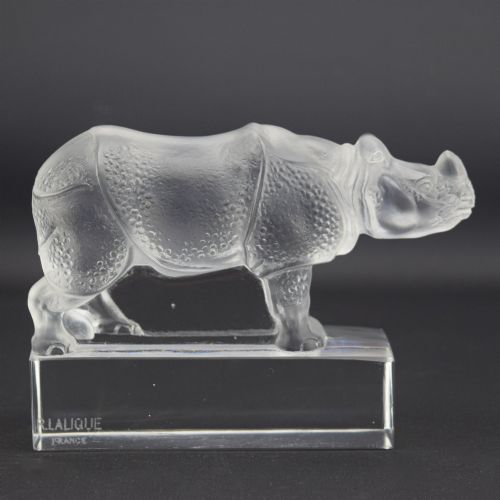
Moulds and hand-finishing methods allowed artisans to define intricate details on subjects ranging from rhinoceroses to birds and cats. The resulting items demonstrate the versatility of glass as a sculptural medium across European production centres.
Vintage Glass Animal Figurine Retail Price Guide 2026
Typical asking prices for vintage glass animal figurine among the pieces listed under this phrase on Sellingantiques today, from the lower quarter to the upper quarter. They describe what is for sale here now, not the wider market.
A tiny pewter dog pepperette stands ready to season your nineteenth-century dining table with unexpected canine dignity.
What varies in quality
The distinction between standard production and exceptional work lies in the sharpness of the moulding and the expressive rendering of the animal's form. Master designers achieved a greater sense of life through careful attention to posture and surface texture.
Attribution to notable makers or specific European studios elevates the standing of an object within the broader category. The clarity of the material and the sophistication of any accompanying metalwork also influence the overall character of the piece.
Rene Lalique·Bimini Austria·Napoleone Martinuzzi
The Vintage Glass Animal Figurine Glossary
- Lamp work
- A technique involving the melting of glass rods over a flame to shape small figures. This method permits intricate detail in pieces like snakes and birds.
- Frosted glass
- Glass treated to achieve a matte, opaque finish rather than transparent clarity. It diffuses light effectively in decorative items and night lights.
- Art Deco
- A design style prominent in the nineteen thirties characterised by streamlined geometric forms. Pieces from this era often feature stylised animal subjects.
- Paperweight
- A heavy decorative object designed to hold down loose sheets of paper. Many artistic examples double as miniature animal sculptures.
Vintage Glass Animal Figurine: Frequently Asked Questions
What periods do these pieces come from?
The listings encompass items produced from the late nineteenth century through to the nineteen thirties. Art Deco and Victorian aesthetics appear prominently across the available selection.
Specific dates range from eighteen eighty to nineteen thirty-one, reflecting European craftsmanship from those decades.
How were these animal figures used?
Many items served dual practical and decorative purposes in period interiors as paperweights, bookends, or night lights. Others functioned purely as cabinet sculptures and display figures.
Lighting elements such as lamps also integrated animal forms into domestic electrical fittings.
Are all these pieces made entirely of glass?
While glass forms the core of the category, several examples incorporate mixed media. Materials such as bronze, marble, and terracotta appear alongside glass components.
Some objects utilise glass eyes or coloured glass details set within metal frames.
How do I identify Art Deco pieces?
Art Deco examples typically date from around nineteen thirty and feature stylised geometric lines. Subjects like greyhounds and cats capture the sleek aesthetic of that period.
The use of frosted finishes and stylised contours points directly to this twentieth-century movement.