


Vintage Girl Portrait
A vintage girl portrait captures character through paint, paper or metal, bringing historical likenesses into modern rooms.
Vintage Girl Portrait
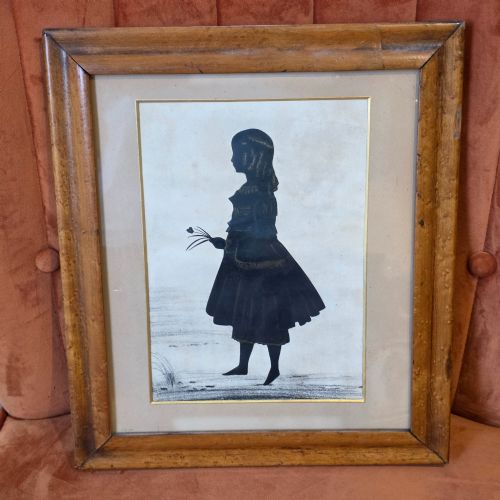
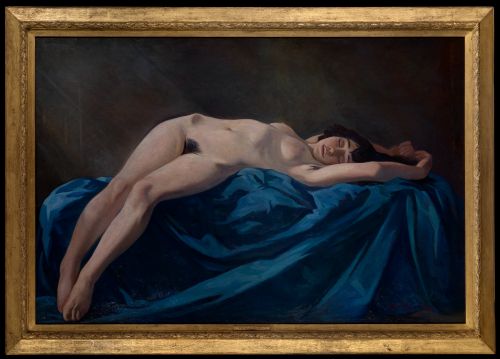
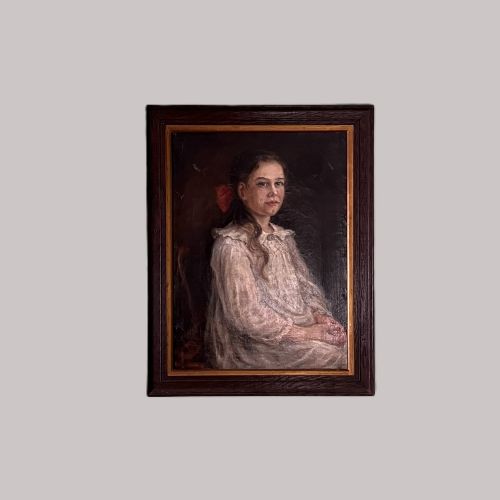
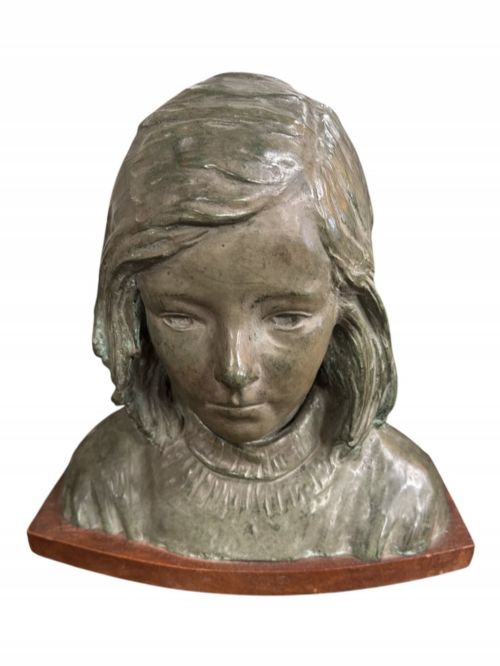
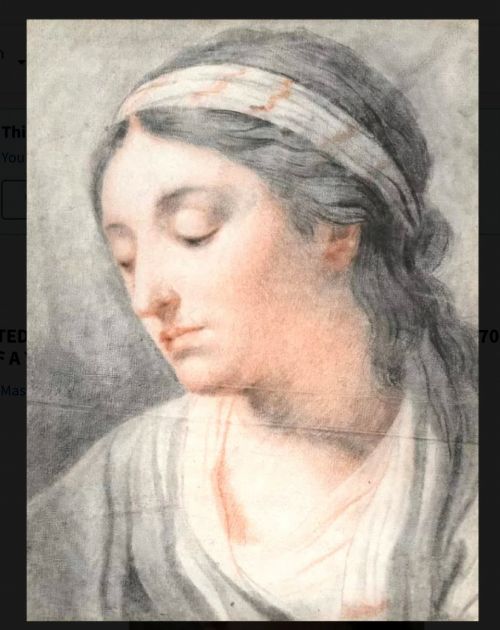
A vintage girl portrait encompasses painted canvases, delicate miniatures, framed prints and sculpted busts originating from periods spanning the Georgian era through to the mid-twentieth century. Buyers searching for a vintage girl portrait encounter diverse artistic interpretations, from formal oil paintings to intimate pencil drawings and silhouette studies.
The selections on this page draw heavily from Edwardian and nineteenth-century traditions, alongside early twentieth-century works produced across Britain, Europe and beyond. These pieces range from grand oil compositions to small-scale portrait miniatures designed to sit on desks or hang in intimate spaces.
How they were made
Makers utilised traditional mediums including oil paint on canvas or board, watercolour washes on paper, and detailed pastel or pencil drawings. Sculptural examples employ materials such as carved alabaster or cast bronzed metal to render three-dimensional likenesses.
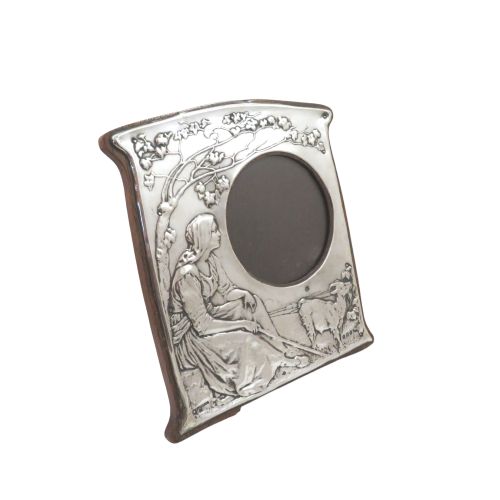
Framing forms an integral part of these works, utilising period ebonised wood, sterling silver photo frames, or ornate antique surrounds that complement the artwork within.
Listings feature works executed in oil paint, watercolour, pastel, pencil, charcoal, carved alabaster, and cut paper.
What varies in quality
The caliber of a piece rests upon the painterly skill shown in the subject's expression, the handling of light, and the precision of the medium, whether that is brushwork in oil or fine pencil lines. Stronger works display depth in the rendering of textiles, hair and background settings.
The preservation of the primary medium - such as the stability of an oil painting surface or the crispness of a paper silhouette - distinguishes finer examples from more modest historical pieces.
Eric Robertson·Susie Lassam RMS RA·Manuel Azpiroz·Charles Prosper Sainton·Harold Arthur Burke·Ralph Hedley RBA·Harry J. Pearson·Cowan Dobson RBA RP·Christian Aigens·Maurice Feild
The Vintage Girl Portrait Glossary
- Portrait miniature
- A small-scale painting, often executed on ivory, vellum or card, designed for intimate viewing. These detailed works frequently incorporate delicate watercolour or gouache techniques.
- Ebonised frame
- Wood finished to resemble ebony, popular in nineteenth-century framing for creating a sharp contrast against lighter paper or painted works.
- Oileograph
- A mechanical reproduction on canvas that simulates the texture and appearance of an oil painting. These pieces gained popularity during the late nineteenth and early twentieth centuries.
- Bandeau
- A narrow band or ribbon worn in the hair, frequently depicted in eighteenth and nineteenth-century head studies. It serves as a stylistic marker for dating certain portrait types.
- Silhouette
- A portrait profile filled in with a solid colour, typically black, cut from paper or painted against a pale background. Regency examples often incorporate delicate watercolour detailing.
Vintage Girl Portrait: Frequently Asked Questions
What periods do these portraits cover?
The works span from the Georgian and Regency eras through the nineteenth century, Edwardian period, and into the mid-twentieth century.
This broad timeline incorporates distinct artistic movements, including Art Nouveau and early twentieth-century realism.
How were portrait miniatures displayed?
Miniatures were created to be held in the hand, worn as jewellery, or placed on small desks and tables in private rooms.
Many survive within their original protective cases or hinged metal frames designed for preservation.
How do I distinguish an oil painting from a print?
Original oil works exhibit visible brushstrokes, raised paint texture, and interaction with the canvas weave or wooden board support.
Prints and oileographs present a flat surface pattern under magnification, lacking the physical buildup of pigment found in hand-painted art.
Where were these artists working?
The creators represented in these works operated across British, French, Spanish, Dutch and wider European studios.
Many trained in established academies or travelled to artistic hubs such as Paris during the nineteenth and early twentieth centuries.