
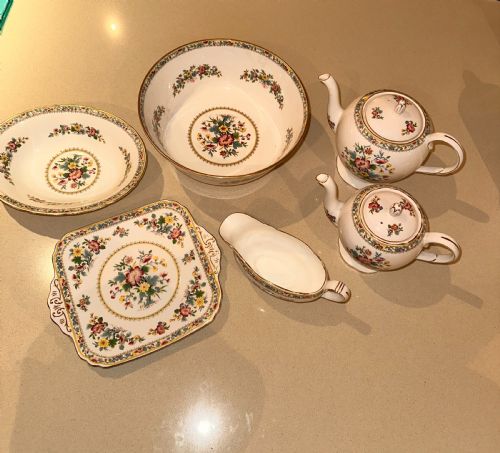


Vintage Gilt Porcelain Bowl
A vintage gilt porcelain bowl brings hand-painted colour and rich metallic detailing to a table, combining ceramic artistry with historical elegance.
Vintage Gilt Porcelain Bowl
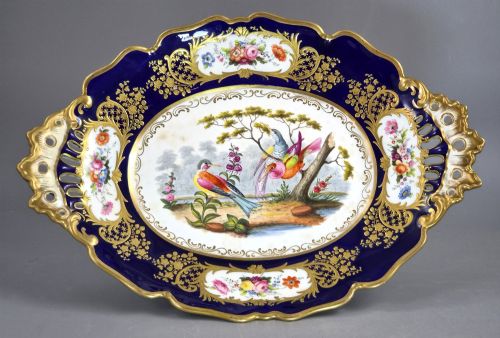
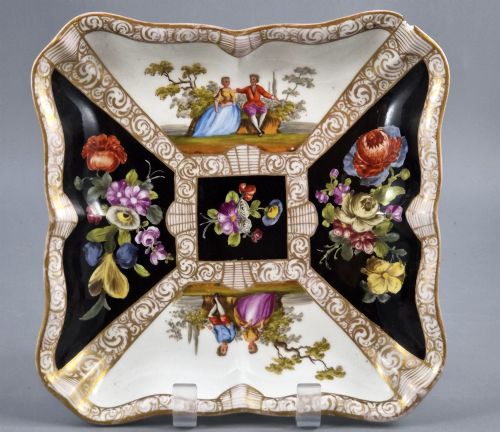
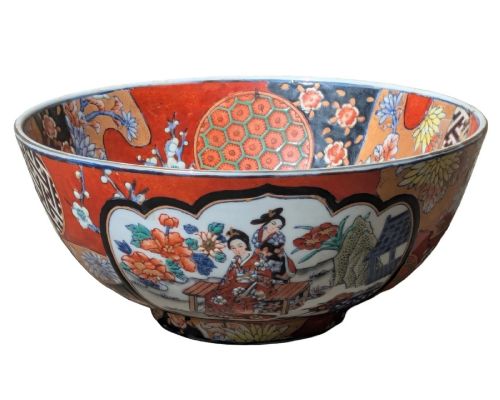
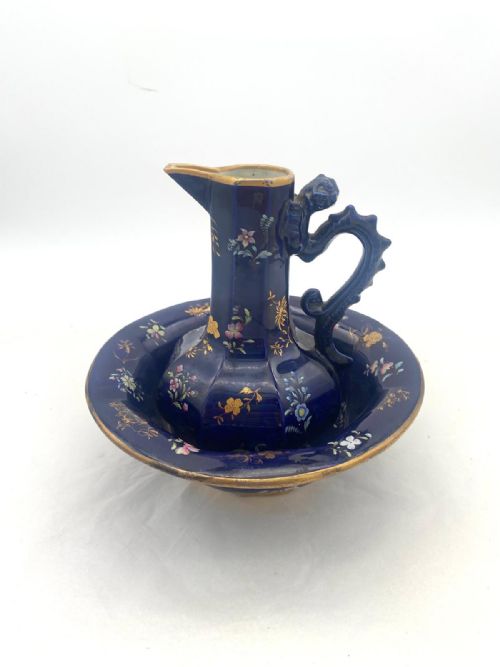
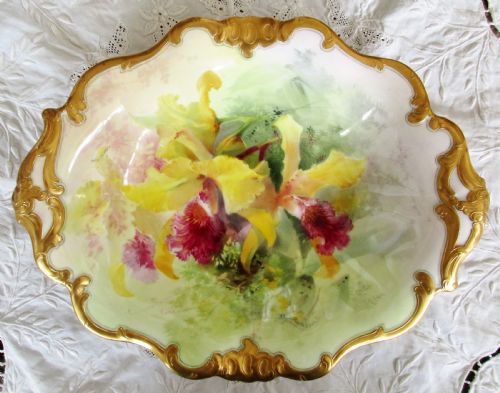
When you search for a vintage gilt porcelain bowl, you encounter a variety of decorative and table vessels originating from the eighteenth, nineteenth, and early twentieth centuries. These pieces encompass everything from sugar bowls and fruit bowls to elaborate cabinet dishes and punch bowls created by English, German, and Japanese makers. You are most likely to meet pieces featuring traditional floral motifs, cobalt grounds, or distinctive lustre glazes spanning the Victorian, Edwardian, and Art Deco periods.
The forms range from simple round vessels and octagonal dishes to handled urns and centrepieces adorned with applied figures. Many examples stem from notable potteries, incorporating hand-painted scenes, transfer printing, or intricate gilt edges that reflect the prevailing design styles of their era, including Rococo Revival, Art Nouveau, and Japanese Imari. This selection bridges functional tableware and decorative display items designed for the nineteenth and twentieth century interior.
Materials and Technique
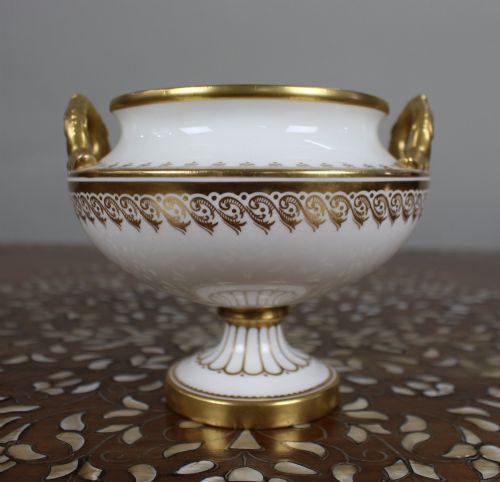
These vessels are formed from porcelain or bone china, often enriched with hand-applied enamel colours and finished with a clear glaze before the metallic embellishments are added. Gilding and gold leaf are meticulously applied to rims, handles, and internal patterns, requiring careful secondary firing to bond the metal to the ceramic surface.
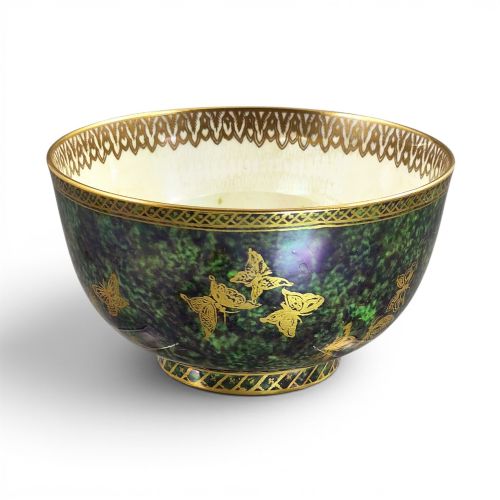
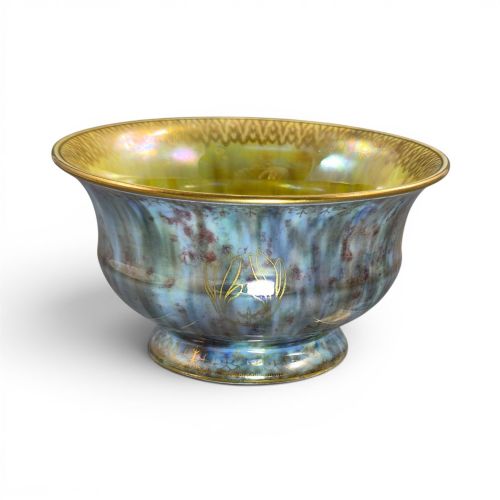
Lustre glaze techniques create iridescent, multi-coloured surfaces through metallic oxide films fired onto the porcelain body. Artisans combine these chemical washes with detailed hand-painting, as seen in complex dragon, butterfly, or figurative landscape scenes executed across English and continental factories.
Several bowls are populated by mischievous applied putti and colourful mythical dragons sharing shelf space with delicate butterflies.
Assessing Quality
The standard of a piece rests heavily on the precision of the hand-painting and the integrity of the gilding. Finer examples display crisp, densely detailed brushwork in the enamel scenes and thick, unrubbed gold leaf that retains its bright metallic lustre.
Body thickness and translucency also distinguish superior vessels, alongside the artistic ambition of the design, such as complex Fairyland lustre patterns or elaborate three-dimensional applied elements like roses and putti.
Coalport·Meissen·Royal Doulton·Wedgwood·Spode·Paul Müller Selb·Royal Worcester
The Vintage Gilt Porcelain Bowl Glossary
- Porcelain
- A white, vitrified ceramic material fired at high temperatures to achieve a non-porous, translucent body. It forms the primary structural base for fine decorative bowls and tea services.
- Gilt
- A thin layer of gold applied to the surface of the porcelain as leaf or liquid paint. This metallic decoration highlights rims, handles, and painted motifs.
- Lustre Glaze
- A type of ceramic glaze containing metallic salts that produce an iridescent, shimmering sheen upon firing. It became particularly popular for twentieth-century decorative wares.
- Sucrier
- A small covered sugar bowl designed as part of a tea service. These pieces match the teapot and cream jug in material and decorative scheme.
- Bone China
- A type of porcelain incorporating animal bone ash, resulting in a strong, milky-white body. It allowed makers to produce thinner, more delicate tableware.
Vintage Gilt Porcelain Bowl: Frequently Asked Questions
How do I clean an antique gilt bowl?
Wash the vessel gently by hand using lukewarm water and mild soap, avoiding harsh scrubbing sponges that can wear away the delicate gold leaf.
Dry the piece immediately with a soft, lint-free cloth to protect both the glaze and the metallic details from moisture damage.
Can I use these bowls for serving food?
Many of these historical vessels were originally intended for functional dining or tea service use, such as fruit bowls or sugar basins.
However, older gilded and enamelled pieces benefit more from dry display or careful use to preserve the hand-painted surfaces from cutlery scratching.
How can I tell the period of a porcelain bowl?
Examine the base for factory backstamps, impressed ciphers, or pattern numbers that correspond to manufacturer production dates and historical registration marks.
The underlying ceramic body, painting style, and aesthetic movement - such as Rococo Revival or Art Deco - also provide clear indicators of age.
What is lustre ware?
Lustre ware is pottery or porcelain finished with a metallic glaze that produces an oil-slick or rainbow-like iridescence when exposed to light.
This effect is achieved by applying metallic oxides to the fired ceramic and subjecting the piece to a specialised reducing kiln atmosphere.