
Vintage Gilt Lamps
These vintage gilt lamps bring a warm metallic glow and rich decorative detail to a room, drawing on French and Italian styles.
Vintage Gilt Lamps
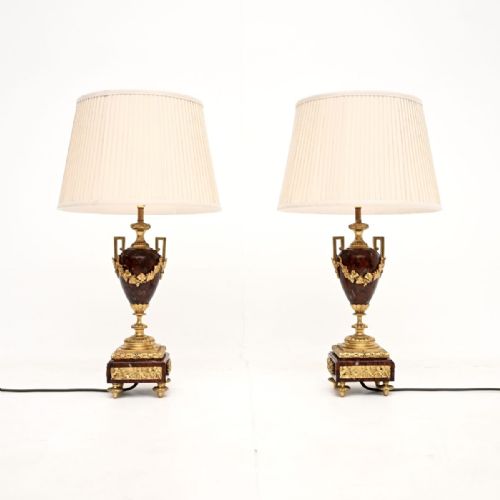
Vintage gilt lamps encompass table lamps, floor lamps, and matching pairs designed with gold-coloured surfaces, often originating from French workshops during the late nineteenth and early twentieth centuries. When searching for vintage gilt lamps, a buyer encounters pieces drawing on French Rococo, Neoclassical, and Art Deco aesthetics.
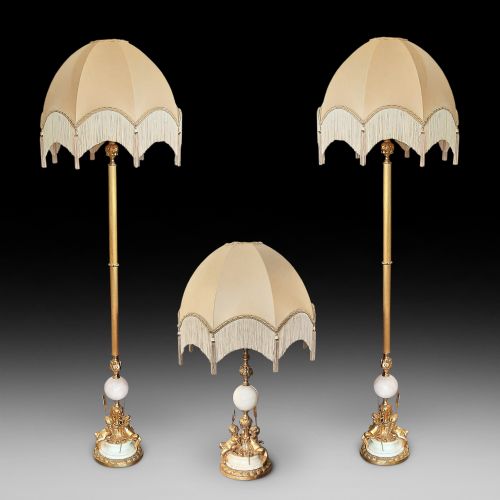
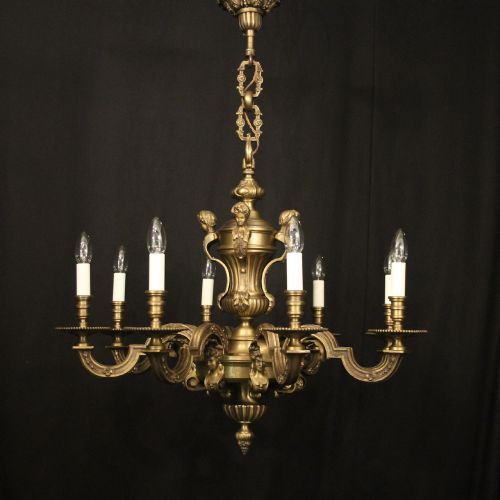
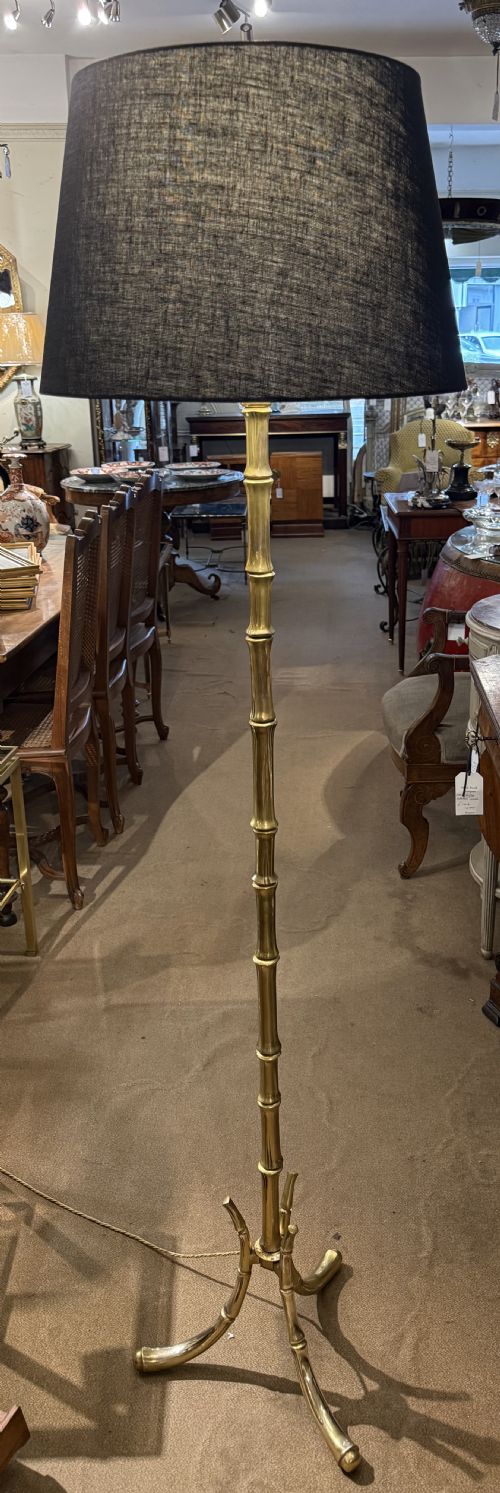
Table lamps and standard lamps dominate the offerings, frequently incorporating classical motifs like cherubs, sphinxes, and rams' heads. These pieces reflect historical revival styles adapted for domestic lighting across the Victorian and Edwardian eras.
Materials and construction methods
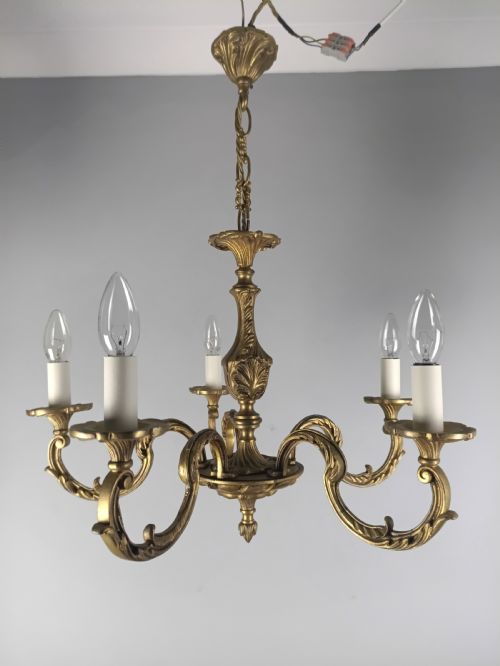
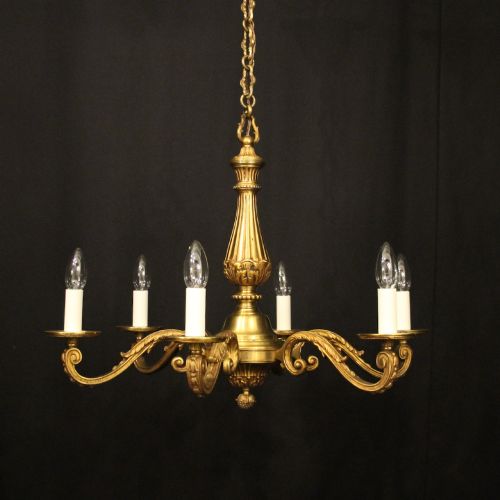
Makers utilised cast bronze, brass, spelter, and carved wood, applying gold leaf or gilding to create a reflective surface finish. Metal elements were frequently cast in sections and joined, allowing for intricate ornamentation such as acanthus leaves, tassels, and figural details.
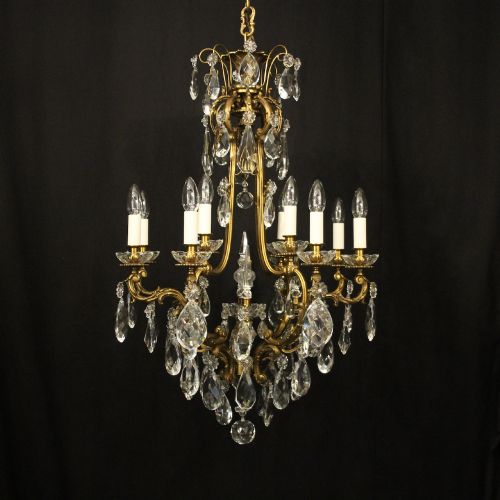
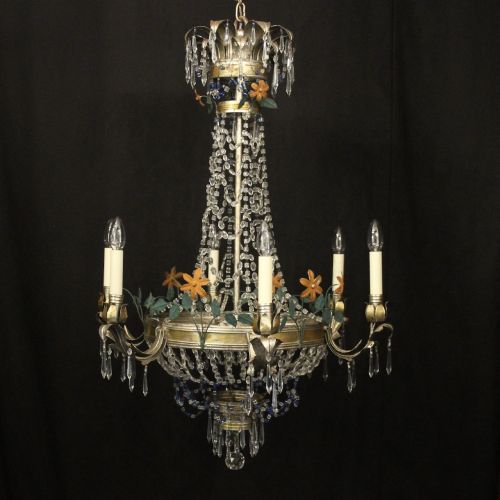
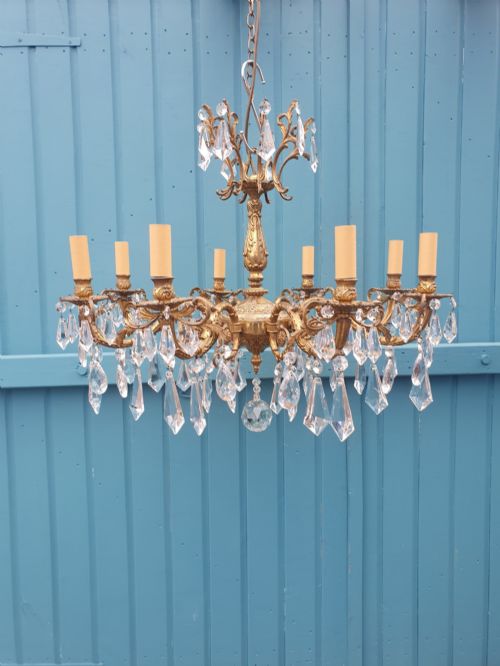
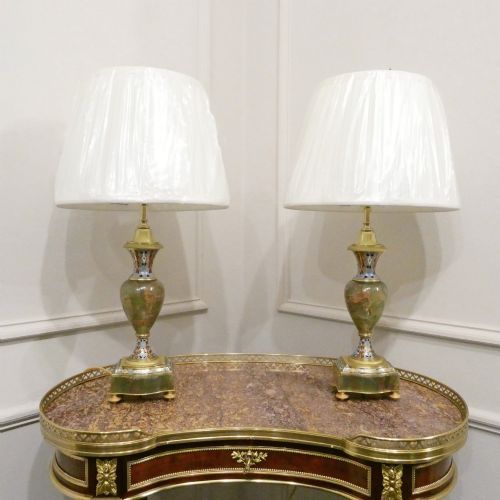
Combinations of natural stone and glass feature heavily in the construction, with bases carved from verde marble, white marble, or onyx to provide stability and weight. Cut glass crystals, prisms, and glass shades are wired or pinned into place to diffuse the light emitted by the bulbs or candles.
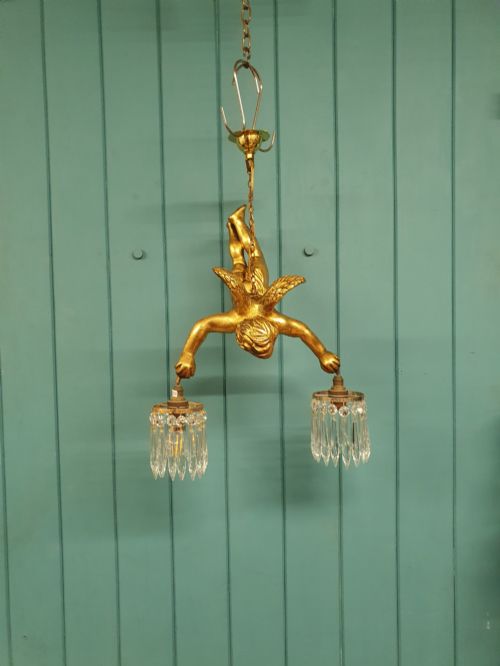
Flying cherubs and sphinxes frequently hold up the light.
Distinguishing quality across the range
The choice of secondary materials marks a clear division in grade, with solid marbles, heavy bronzes, and genuine hand-cut crystal prisms separating superior pieces from lighter brass and spelter alternatives.
Charles Schneider·Maison Bagues·E Rousseau
The Vintage Gilt Lamps Glossary
- Gilt bronze
- Bronze metal that has been coated with a thin layer of gold or gold-coloured leaf. This technique provides the rich metallic finish seen on many French lighting fixtures.
- Spelter
- An alloy of zinc and lead used as a less expensive alternative to bronze for cast figures and lamp bases. It takes a gilt finish well but is softer and lighter than bronze.
- Champleve
- An enamelling technique where troughs are dug into a metal surface and filled with vitreous enamel before firing. It appears on decorative lamp bases alongside gilt mounts.
- Ormolu
- A historically popular term for gilding applied to bronze mounts and furniture ornaments. It denotes a high standard of metallic surface treatment on nineteenth-century pieces.
- Plafonnier
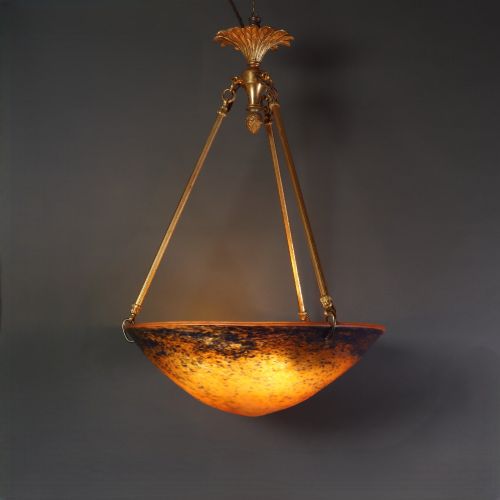
- A ceiling-mounted bowl light or shallow shade, often made from moulded glass. These fixtures sit close to the ceiling and diffuse light evenly across a room.
Vintage Gilt Lamps: Frequently Asked Questions
What materials make up vintage gilt lamps?
These lamps incorporate cast metals such as bronze, brass, and spelter finished with gold leaf or gilding. Many designs combine these metallic elements with natural stones like marble and onyx, alongside cut glass crystal components.
Secondary materials often include porcelain, fabric shades, and carved wood. The variety in construction reflects the diverse stylistic periods represented, from nineteenth-century Victorian pieces to 1930s Art Deco designs.
How do I identify French styles?
French lighting designs typically exhibit specific decorative vocabularies associated with periods like Rococo, Neoclassical, and the Empire style. Look for symmetrical scrollwork, acanthus leaves, urns, and classical figural elements such as cherubs.
Additionally, the use of mercury gilding, Ormolu, and fine bronze casting points towards French manufacture. Many pieces also feature integrated marble or onyx bases characteristic of late nineteenth and early twentieth-century Parisian workshops.
Were these lamps originally electrified?
Many older lighting pieces began life as oil lamps, gas fixtures, or candlesticks before receiving later conversions to electricity. Antique bases from the nineteenth century frequently show evidence of adaptation for modern wiring.
Purpose-built electric lamps emerge more commonly in pieces dating from the 1910s and 1930s onwards. Examining the internal fittings and cord entry points usually reveals the history of electrification.
How do I care for gilt surfaces?
Gilt and ormolu surfaces require gentle treatment to preserve the delicate gold leaf or metallic finish. Dusting with a soft, dry cloth prevents the accumulation of dirt without risking abrasion to the gilding.
Avoid using chemical polishes, abrasive cloths, or liquid cleaners on gilt metal, as these substances can strip the gold layer away. Natural stone bases can be wiped with a damp cloth, taking care to keep moisture away from electrical components.