

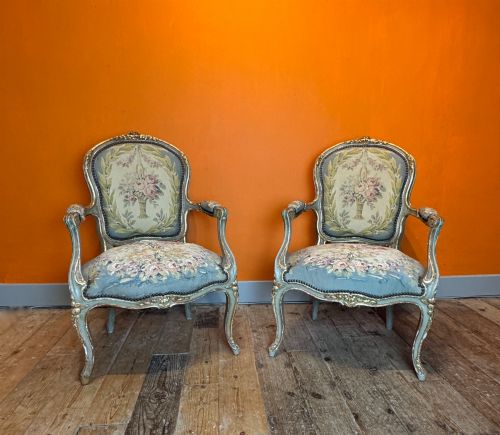
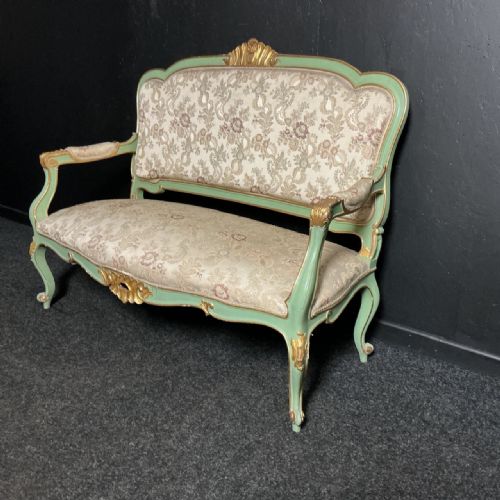
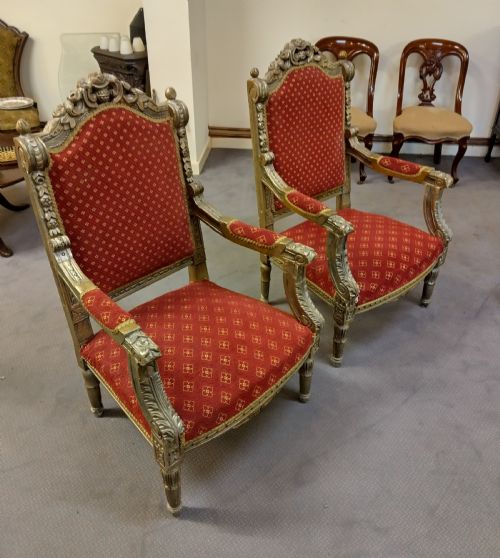
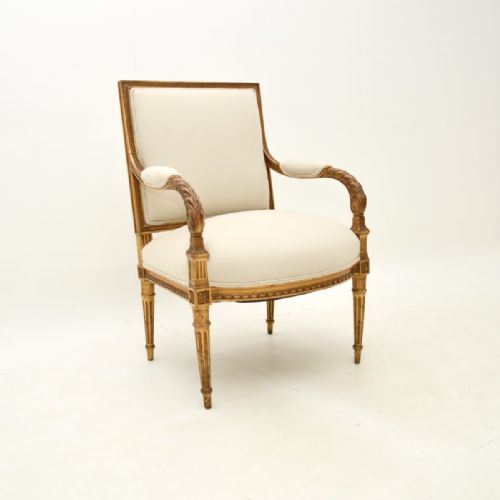


Vintage Gilt Chair
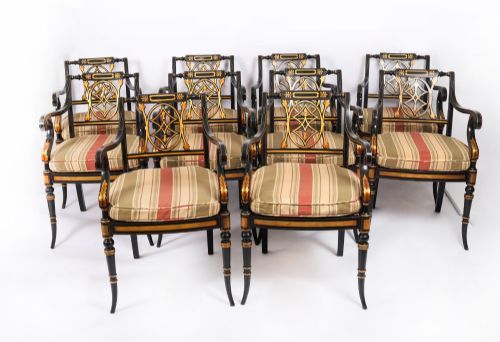
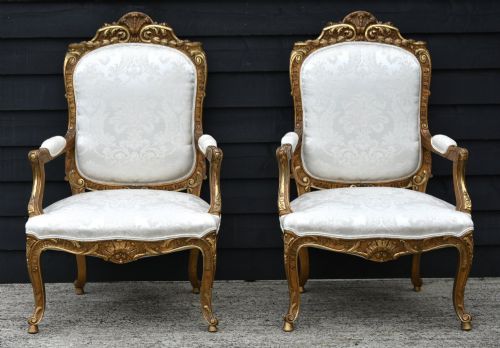
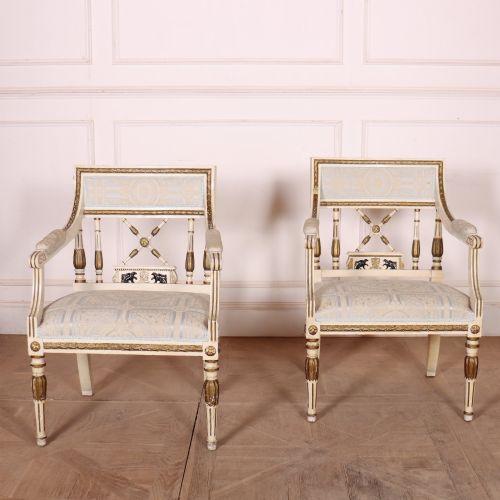
These vintage gilt chair selections bring a touch of continental elegance to a room through gilded surfaces and classic frames.
Vintage Gilt Chair
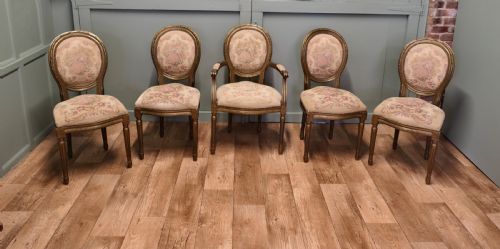
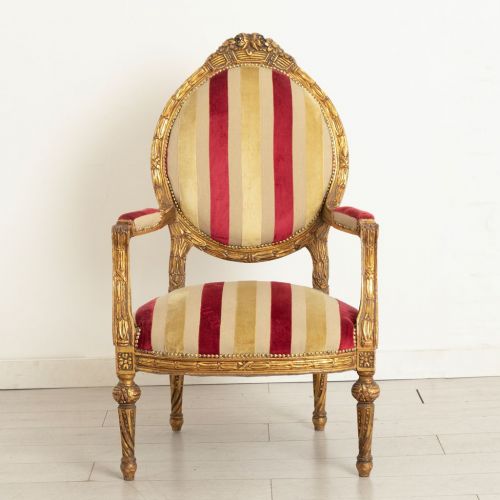
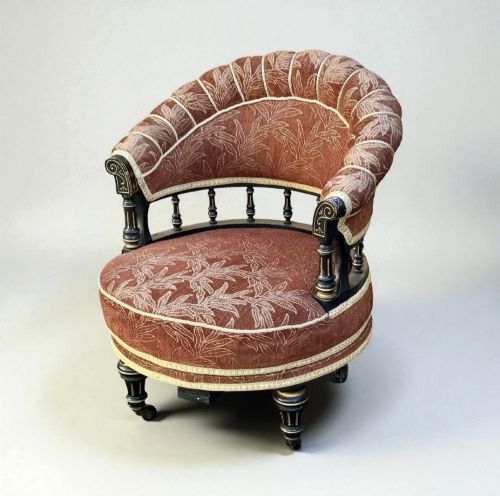
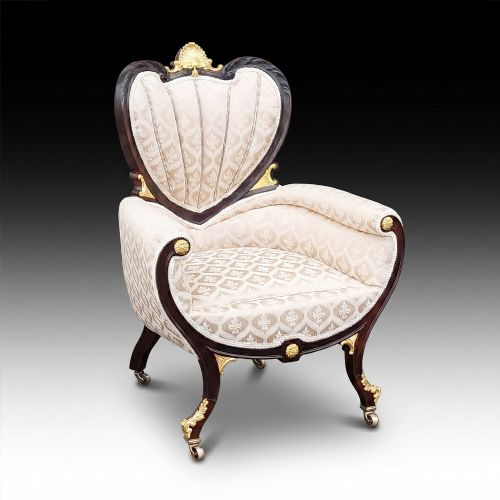
A vintage gilt chair brings ornamental seating into a room, drawing on classical French and continental designs from the nineteenth century onward. Buyers searching for a vintage gilt chair encounter armchairs, salon chairs, and boudoir seating shaped by revivalist movements.
The nineteenth century provides the foundation for many examples, particularly pieces styled after Louis XVI, Louis XV, and the French Empire. Makers during this period and into the early twentieth century adopted classical forms, creating armchairs and side chairs with gilded finishes.
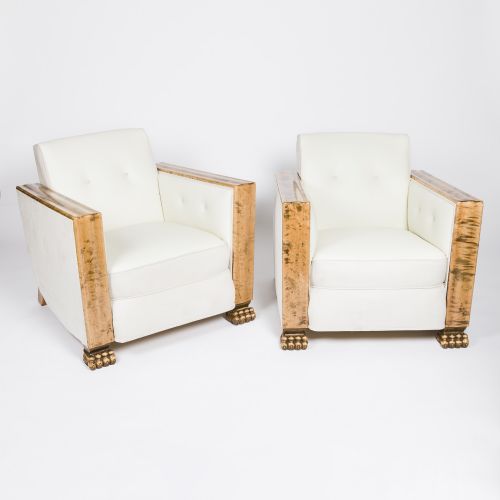
Beyond standalone seating, the selection includes pairs of armchairs, salon suites, and day beds incorporating giltwood, painted surfaces, and carved details. These items serve as focal points in drawing rooms, bedrooms, and reception spaces.
How they were made
Craftsmen built the frames using timber such as walnut, mahogany, and other hardwoods, applying carved ornamentation directly to the wood before finishing. Gilding techniques involved the application of gold leaf or gilt finish to create a reflective surface over the carved structures.
Upholstery completed the seating, utilising materials like velvet, damask fabric, tapestry, and cane panels set within open or enclosed armchairs. Brass mounts and gilt bronze details occasionally supplemented the wooden frames on Empire style pieces.
Vintage Gilt Chair Retail Price Guide 2026
Typical asking prices for vintage gilt chair among the pieces listed under this phrase on Sellingantiques today, from the lower quarter to the upper quarter. They describe what is for sale here now, not the wider market.
Materials recorded across the selection include giltwood, velvet, damask fabric, cane, and brass mounts.
What varies in quality
The depth and precision of the carved wooden details separate standard production from superior work. Crisp leaf motifs and well-defined mouldings indicate skilled hand-carving rather than mass-produced decoration.
The preservation of the original gilt surface and the integrity of the underlying timber frame determine the longevity of the piece. High-grade examples retain cohesive gilding and sturdy joinery across the arms, legs, and backrests.
The Vintage Gilt Chair Glossary
- Giltwood
- Wood that has been coated with gold leaf or a gilt finish. This material defines the bright, ornamental surfaces seen on nineteenth-century French and continental frames.
- Fauteuil
- An open-armed armchair with upholstered back and seat, typically featuring exposed wooden framing. This form derives from seventeenth and eighteenth-century French design.
- Bergere
- An enclosed armchair with upholstered back and sides, often featuring cane panels or tight upholstery. These chairs offer a deep, comfortable seat.
- Damask
- A reversible figured fabric used for upholstery. It provides traditional texture and pattern to salon chairs and armchairs.
Vintage Gilt Chair: Frequently Asked Questions
Where do vintage gilt chairs work best?
These chairs sit comfortably in drawing rooms, formal reception spaces, and bedrooms as accent pieces. Their decorative frames draw the eye and complement traditional interior schemes.
Pairs of armchairs work well flanking a fireplace or positioned near a window, while single salon chairs fill corners or sit beside dressing tables.
What is the difference between a fauteuil and a bergere?
A fauteuil is an open armchair with exposed wooden arms that typically feature padded elbow rests. The space between the arm and the seat remains open.
A bergere is a closed armchair where the upholstered back flows continuously into solid or caned sides, creating a more enclosed seating area.
How should I care for giltwood furniture?
Giltwood requires gentle dusting with a soft, dry cloth to prevent accumulation without disturbing the delicate gold leaf finish. Avoid harsh chemical cleaners and modern polishes that can degrade the surface.
Keep the chairs away from direct sunlight and excessive humidity to protect both the wooden frames and the upholstered textiles.