

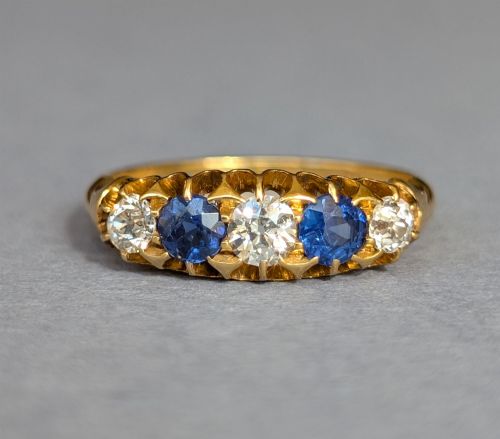
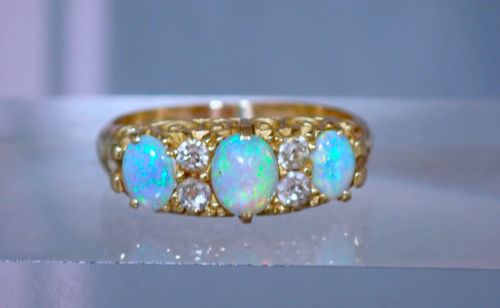
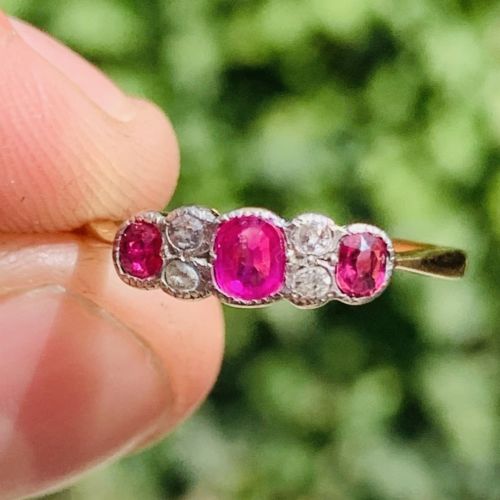
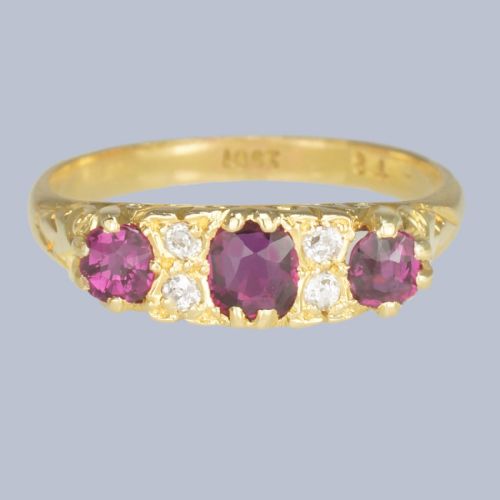
Vintage Gemstone Engagement Ring
When you choose a vintage gemstone engagement ring, you select a piece carrying the distinct design language of past eras.
Vintage Gemstone Engagement Ring
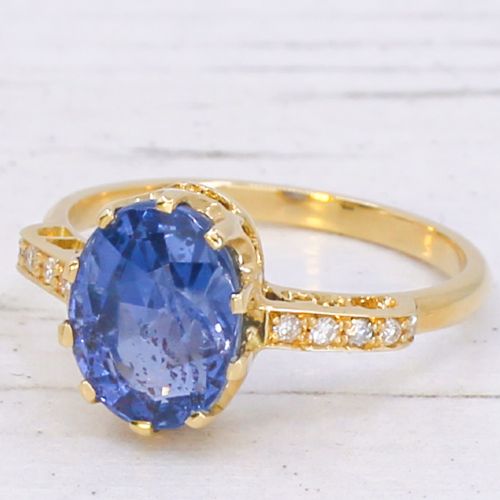
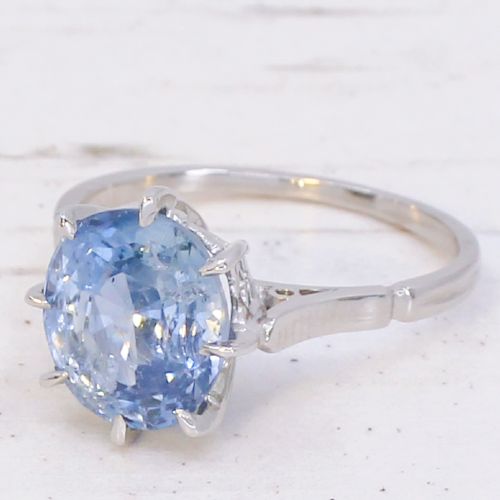
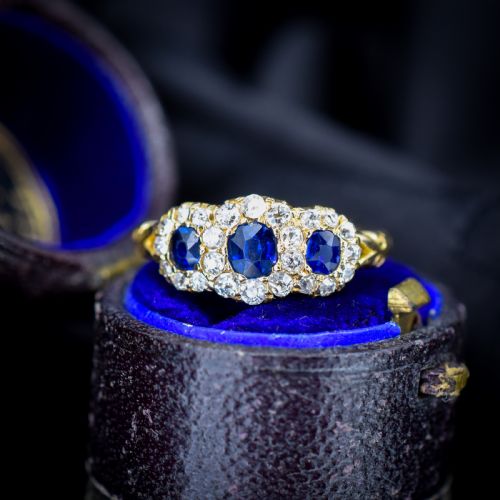
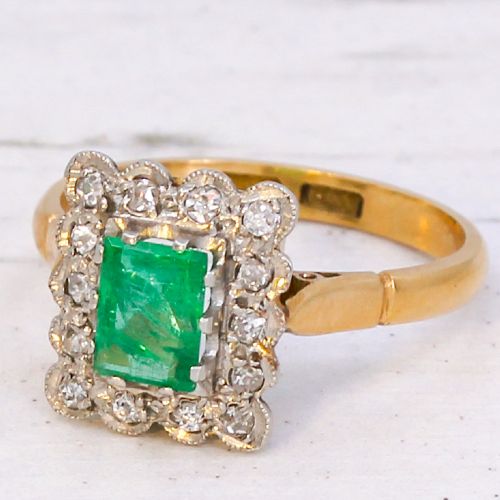
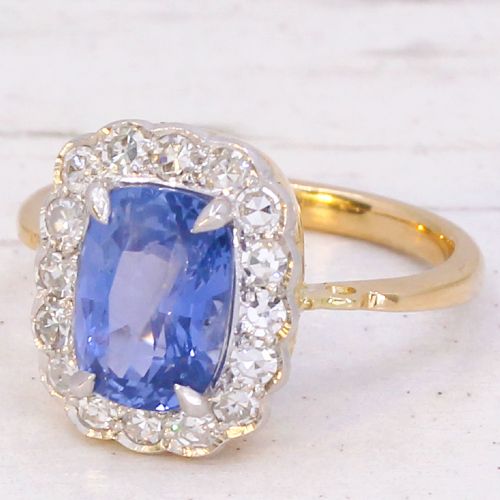
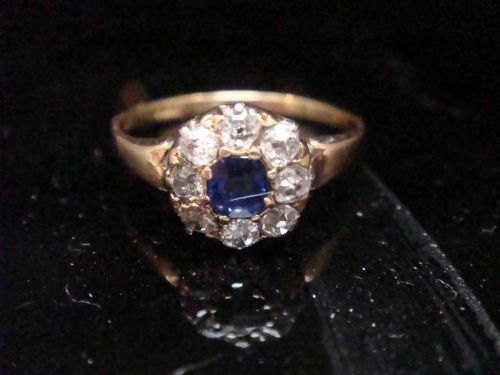
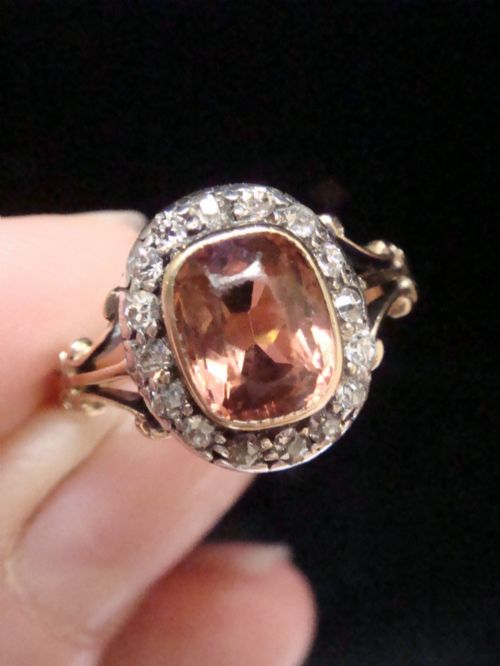
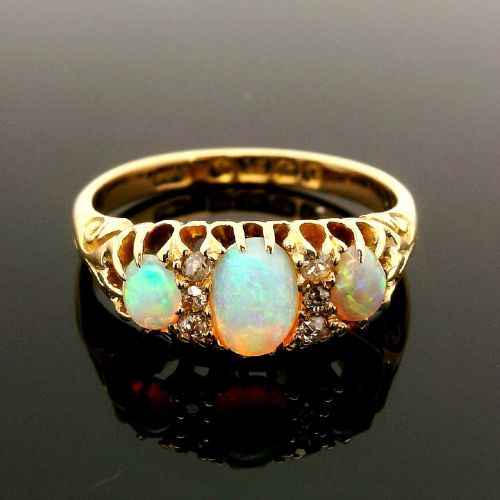
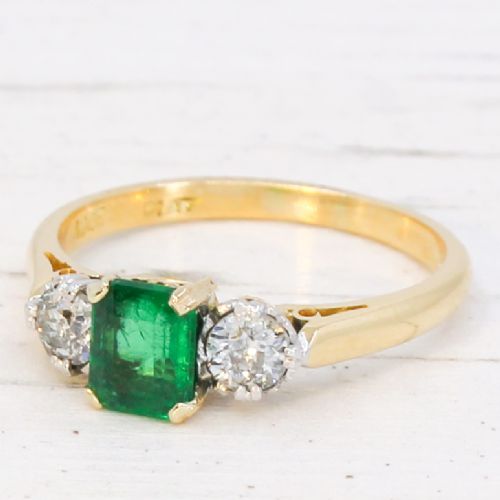
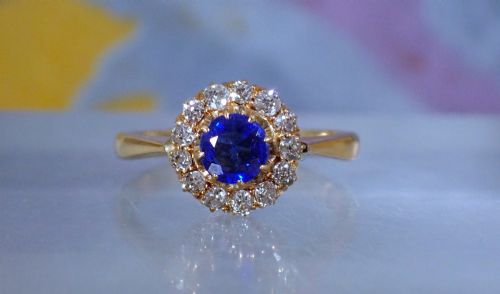
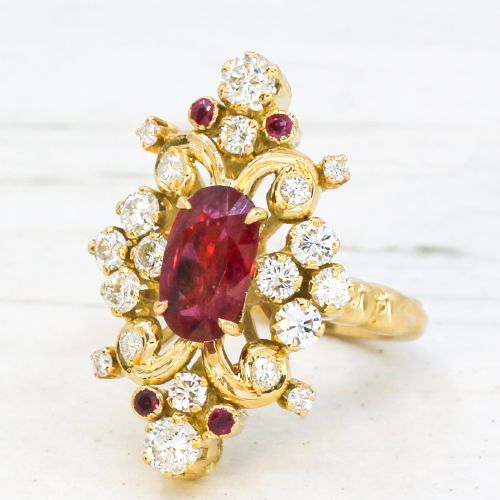
A vintage gemstone engagement ring brings together coloured stones and precious metals from periods spanning the Victorian era through to the mid-twentieth century. Buyers searching for a vintage gemstone engagement ring encounter cluster rings, floral arrangements, and multi-stone settings featuring sapphires, rubies, and emeralds.
The selections available range from late nineteenth-century pieces to creations from the nineteen-fifties and nineteen-sixties. Cluster and daisy configurations dominate the forms, frequently pairing central coloured gemstones with accent diamonds.
How they were made
The pieces combine 18ct gold, yellow gold, and platinum to secure the stones. Jewellers of the periods utilised platinum alongside gold settings, particularly in Art Deco and Edwardian designs, to enhance the brilliance of old cut diamonds.
Stones are typically set by hand, employing claw, bezel, or halo configurations that highlight the natural character of unheated sapphires, rubies, and emeralds.
Vintage Gemstone Engagement Ring Retail Price Guide 2026
Typical asking prices for vintage gemstone engagement ring among the pieces listed under this phrase on Sellingantiques today, from the lower quarter to the upper quarter. They describe what is for sale here now, not the wider market.
What varies in quality
Quality rests upon the origin, treatment, and visual presence of the primary gemstone. Unheated sapphires from Ceylon or Kashmir and untreated rubies from Burma command greater attention due to their natural colour saturation.
The precision of the metalwork, the condition of old cut diamonds, and the overall harmony of the cluster proportion further separate standard examples from exceptional items.
The Vintage Gemstone Engagement Ring Glossary
- Cluster ring
- A ring featuring a central stone surrounded by a border of smaller stones, typically diamonds framing a sapphire, ruby, or emerald.
- Old cut diamond
- A diamond cut by hand in earlier centuries, characterised by a smaller table, higher crown, and distinct open culet that produces a softer candlelit sparkle.
- Unheated gemstone
- A precious stone that has undergone no thermal enhancement to improve its natural colour or clarity.
- Trilogy ring
- A three-stone ring traditionally symbolising the past, present, and future, often pairing a central ruby or sapphire with flanking diamonds.
Vintage Gemstone Engagement Ring: Frequently Asked Questions
What periods do these rings come from?
The pieces span from the late Victorian and Edwardian eras through the Art Deco period and into the nineteen-fifties and nineteen-sixties. Each era introduces distinct mounting techniques and stylistic preferences.
Victorian and Edwardian examples often feature intricate yellow gold or platinum-topped gold work, while later mid-century pieces showcase cleaner lines and bolder stone arrangements.
Are the centre stones treated?
Many stones found in these periods are entirely unheated, meaning their colour and clarity occur naturally without artificial enhancement. Origin reports often accompany significant sapphires and rubies.
Gemstones from specific regions, such as Ceylon, Burma, or Kashmir, frequently appear in these settings and are prized for their distinctive natural hues.
How do I care for a vintage ring?
These pieces require gentle handling due to their age and the delicate nature of settings like claw and halo arrangements. Professional cleaning by a specialist ensures the metal and stones remain secure.
Removing the ring during manual tasks or swimming protects both the precious metals and softer gems like emeralds from unnecessary wear.
What is a cluster ring?
A cluster ring groups multiple stones together, usually placing a prominent sapphire, ruby, or emerald at the centre. A tight halo of smaller diamonds surrounds the main gemstone to magnify its visual impact.
This format gained immense popularity across the Victorian, Edwardian, and Art Deco periods for engagement wear.