

Vintage Garden Chairs
Vintage garden chairs bring enduring metalwork and timber to lawns and terraces, offering robust seating shaped by decades of outdoor use.
Vintage Garden Chairs
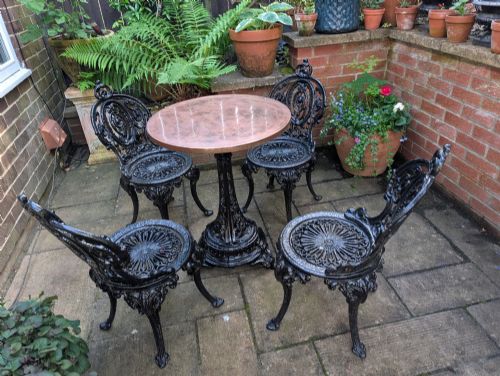
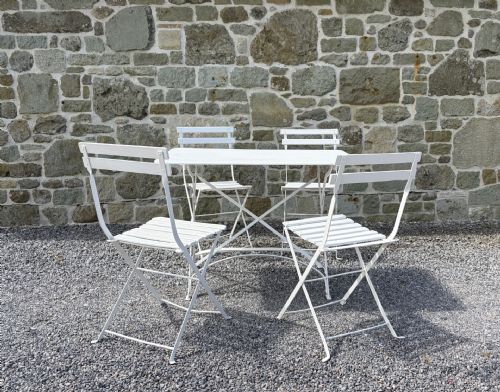
The selections span distinct historical periods such as the Victorian era, Edwardian period, and the nineteen-thirties, reflecting shifting domestic tastes for fresh air and leisure. Pieces range from French folding iron chairs and Gothic style seats to elaborate cast iron patterns featuring botanical motifs.
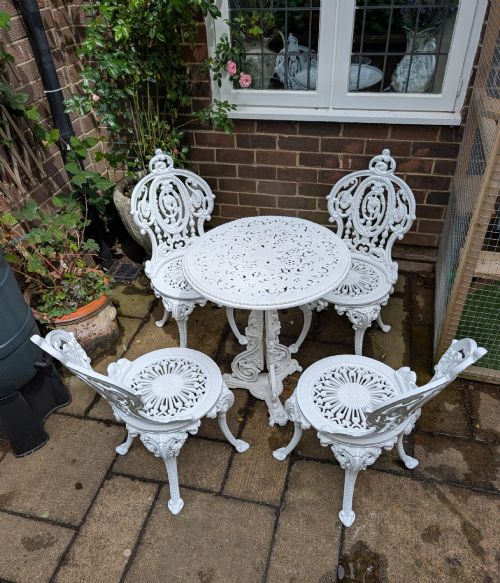
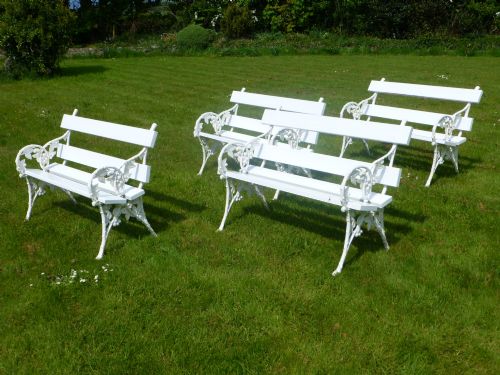
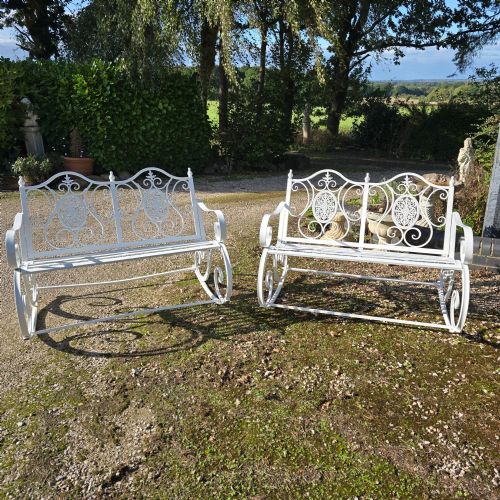
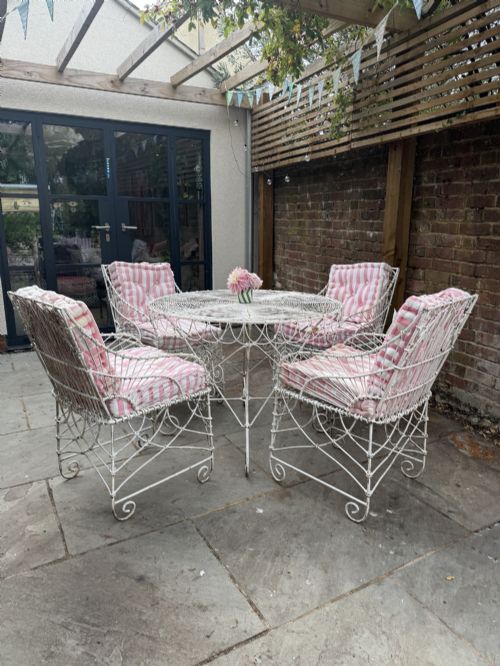
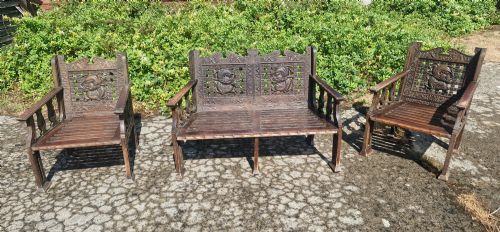
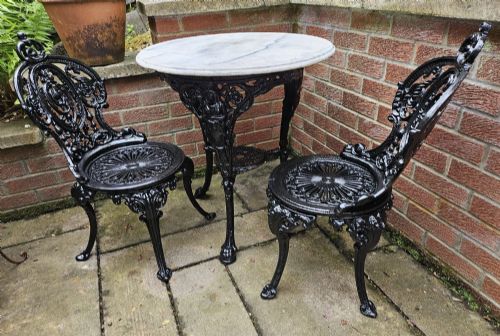
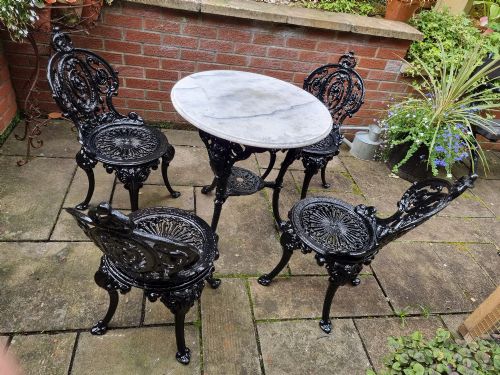
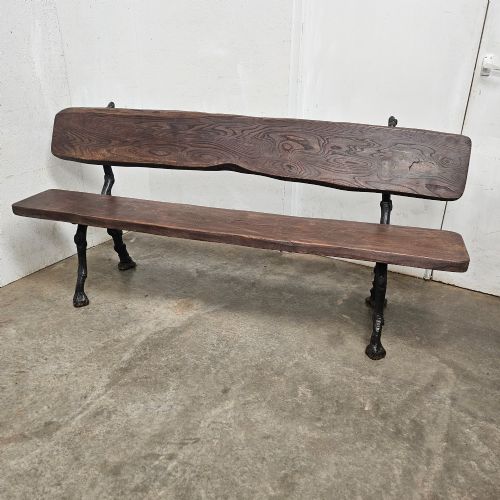
Alongside single chairs, buyers frequently find complete bistro sets, garden benches, and conversation seats designed to anchor a terrace or lawn. These forms demonstrate how outdoor furniture evolved from heavy architectural installations into portable, sociable seating.
Materials and Construction
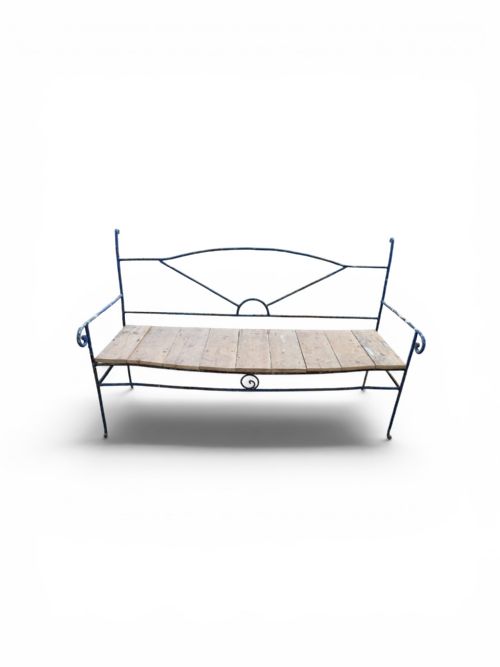
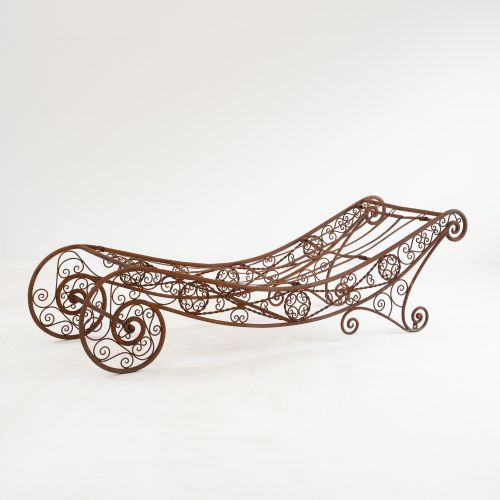
Makers utilised durable metals such as cast iron and wrought iron to withstand the elements, often combining them with timber or marble tops for tables. Cast iron components were formed in foundry moulds, yielding intricate relief patterns like leaves and lion masks, while wrought iron was heated and hammered into strapwork and scroll designs.
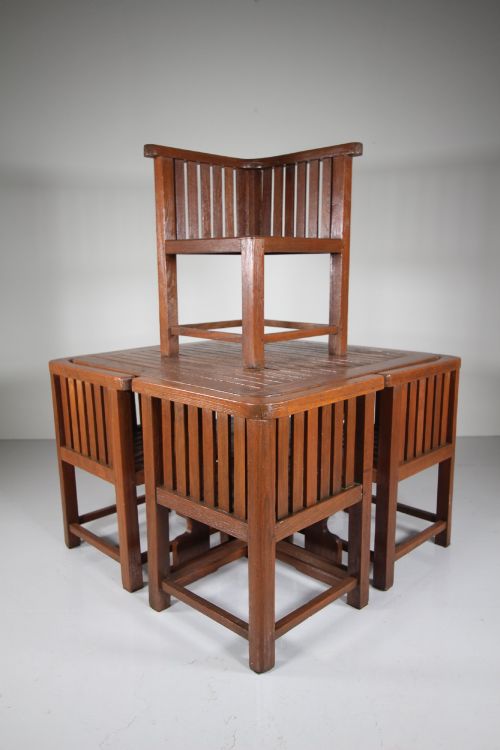
Wood and plant-based fibres played an equally vital role, with elm, pine, walnut, and cane woven into Lloyd Loom, wicker, and steamer deck chairs. Protective layers of paint were applied to shield the metal and wood from damp conditions, surviving today in various states of weathered patination.
Vintage Garden Chairs Retail Price Guide 2026
Typical asking prices for vintage garden chairs among the pieces listed under this phrase on Sellingantiques today, from the lower quarter to the upper quarter. They describe what is for sale here now, not the wider market.
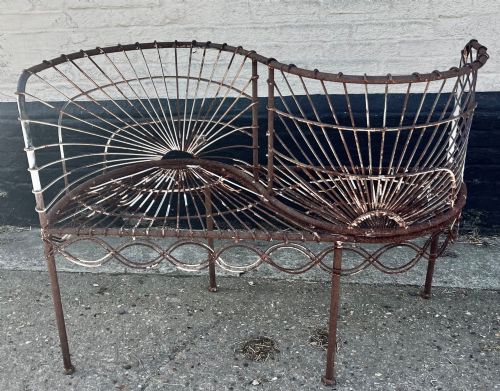
An iron conversation seat lets two people sit face-to-face while completely ignoring the view.
Assessing Quality and Design
Quality rests in the crispness of the casting and the integrity of the joinery, distinguishing mass-produced items from foundry-marked pieces. Cast iron chairs displaying deep relief work and named foundry origins demonstrate superior design ambition compared to plain utilitarian alternatives.
The degree of original surface preservation also dictates standing, with undisturbed layers of historic paint carrying more character than modern repainting. Structural balance in folding mechanisms and the tightness of cane or wicker weaves further separate standard pieces from finer examples.
Falkirk Foundry·Christopher Dresser·Angraves of Leicester·Dryad of Leicester
The Vintage Garden Chairs Glossary
- Cast iron
- Iron poured into a mould in a molten state to create rigid forms and detailed decorative motifs. It provides the heavy structure seen in nineteenth-century garden seats and tables.
- Wrought iron
- Iron heated and worked by hand with tools to produce sturdy yet pliable framework. It is typical of French Riviera armchairs and structural garden supports.
- Strapwork
- Flat bands of metal arranged in geometric or interlaced patterns. This technique appears on Regency and later garden benches.
- Faux bois
- A decorative finish or construction style mimicking wood grain using concrete, iron, or plaster. French craftsmen applied this to garden benches to blend metal furniture with natural surroundings.
- Wirework
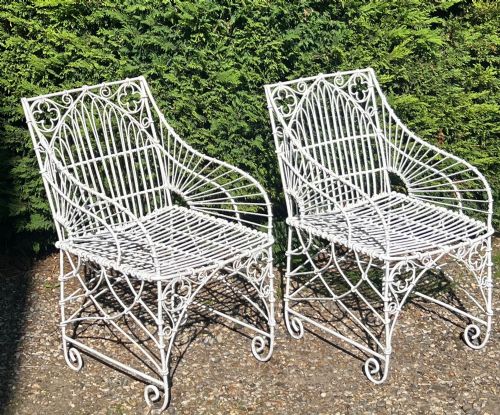
- Furniture constructed from interwoven metal wire fixed to a structural frame. Victorian wirework tables and chairs offered lightweight resilience on lawns.
Vintage Garden Chairs: Frequently Asked Questions
How do I protect metal garden chairs outside?
Metal garden chairs withstand natural weathering well, but heavy rain and winter frost can accelerate corrosion on older iron surfaces. Storing them under cover during the coldest months preserves the structural integrity and any remaining historic paint.
Applying a protective wax or specialised outdoor oil helps shield exposed metal and timber from moisture without stripping away the accumulated character of the piece.
Can I leave cane and wicker chairs outdoors?
Cane, wicker, and Lloyd Loom garden furniture suit dry weather and conservatory settings better than permanent outdoor exposure. Dampness causes natural plant fibres to weaken, rot, and snap over time.
Keeping these woven armchairs and steamer deck chairs on sheltered patios or bringing them indoors after use ensures the materials remain resilient and flexible.
How do I date a cast iron garden chair?
Dating cast iron garden chairs relies on stylistic clues, structural fasteners, and registration marks left by the foundry. Victorian and nineteenth-century pieces often feature botanical motifs and heavier construction, while nineteen-thirties examples lean towards streamlined Art Deco forms.
Makers' stamps or foundry names embedded in the iron provide a direct link to specific manufacturing decades and production locations.
Are folding iron chairs sturdy enough for daily use?
French folding iron chairs were engineered for practical portability and robust commercial or domestic seating. Their pivoting joints and locking braces are designed to bear regular weight securely.
Checking the pivot pins and hinge points ensures the folding mechanism remains stable before daily deployment on a terrace or lawn.