


Vintage Garden Benches
These vintage garden benches bring enduring character to lawns and patios through robust ironwork and weathered timber.
Vintage Garden Benches
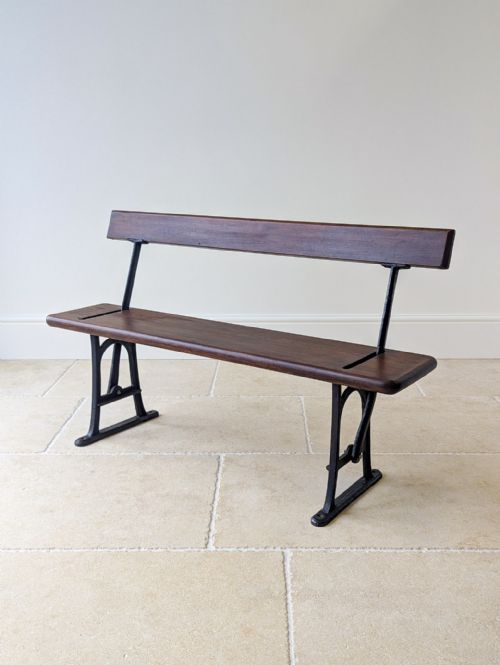
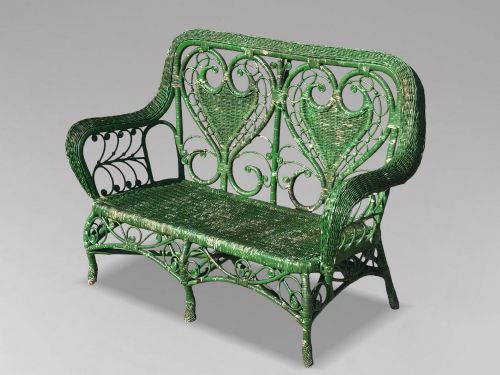
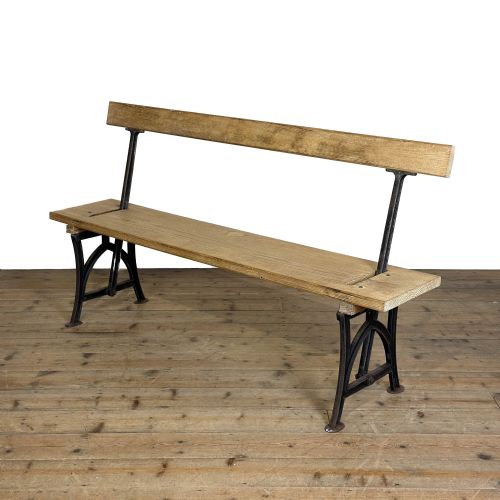
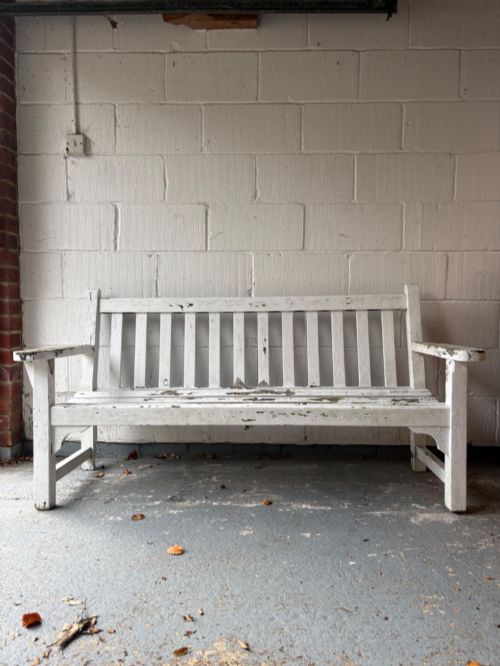
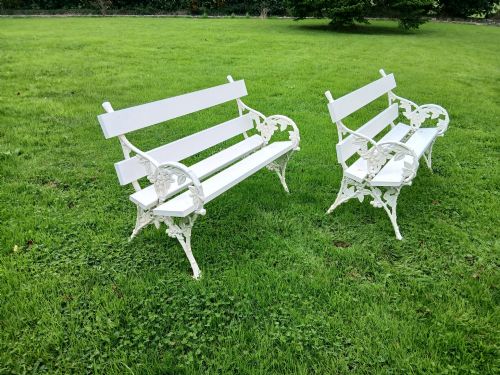
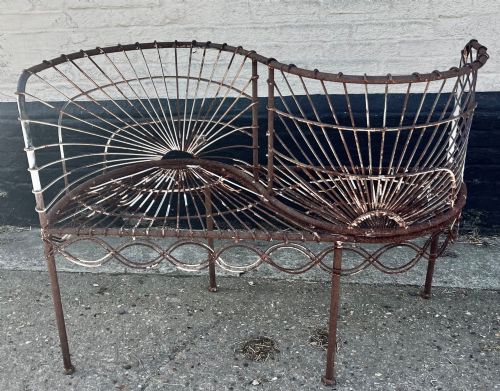
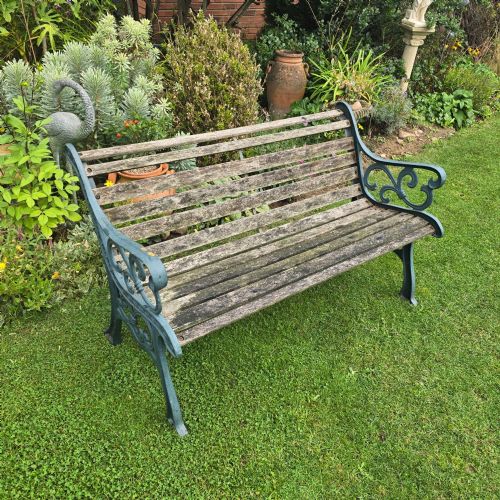
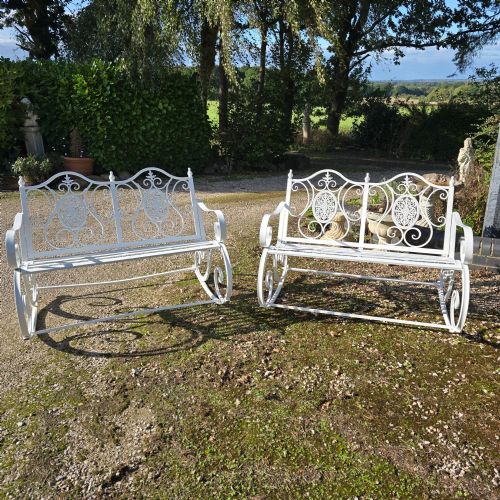
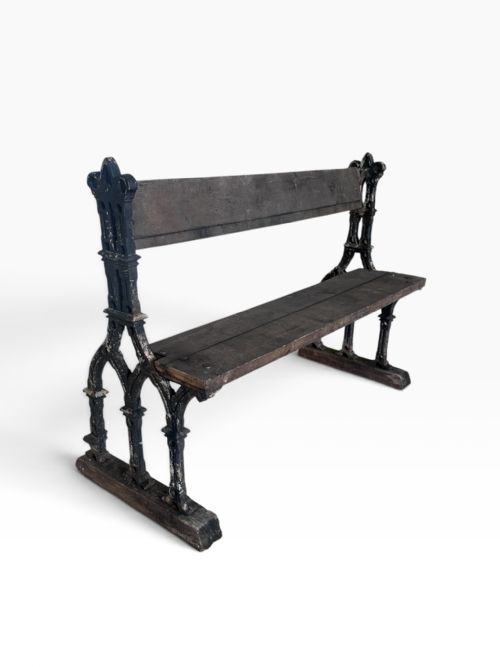
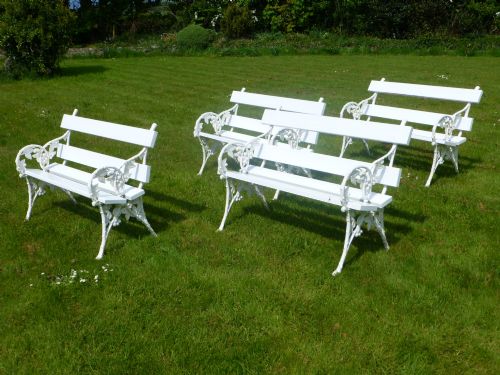
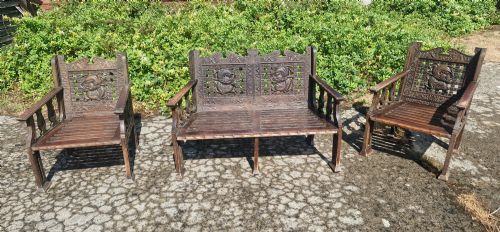
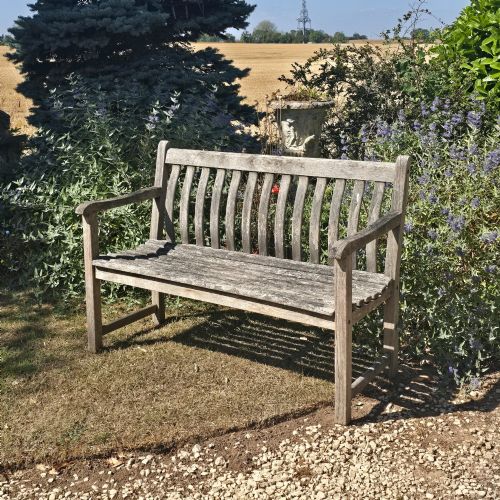
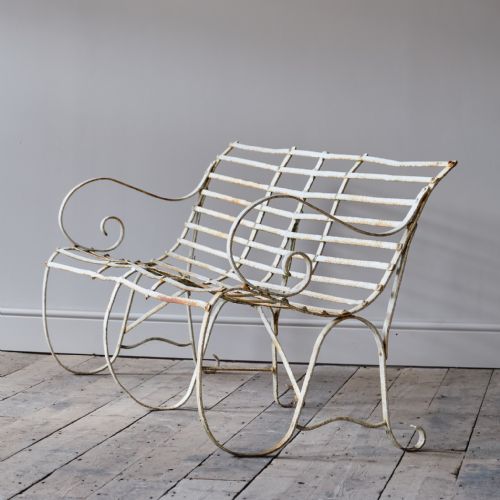
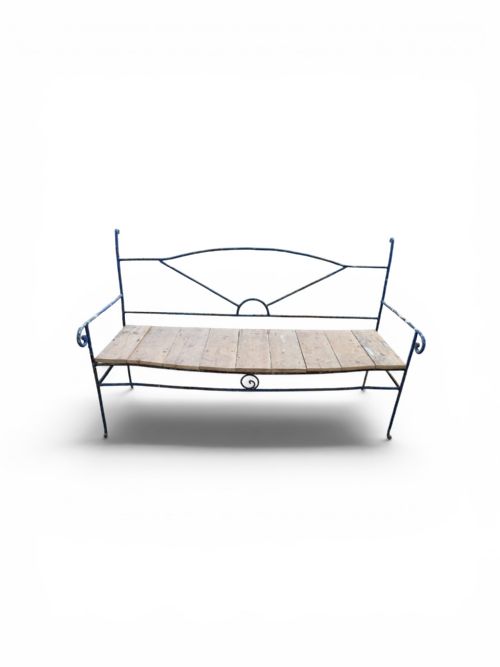
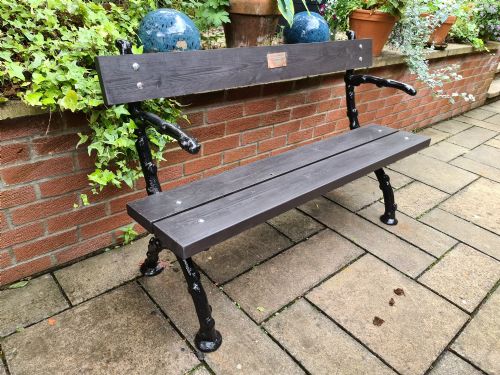
Vintage garden benches encompass robust outdoor seating spanning the nineteenth century up through the nineteen-thirties, taking forms such as classic two-seater settles, conversation seats, rocking benches and daybeds. You will encounter cast iron frames paired with wooden slats, alongside examples shaped from wrought iron, teak, pine and elm.
Makers utilised various decorative motifs, including gothic tracery, blackberry and leaf patterns, faux bois finishes imitating natural wood, and geometric strapwork. Pieces range from grand Victorian creations with canopies down to rustic country forms and French metal designs intended for conservatories and open lawns.
How they were made
Foundries cast molten iron into intricate moulds to produce sturdy bench ends, featuring detailed plant motifs and structural bracing. Artisans then joined these metal supports to wooden laths of teak, pine or elm using secure fixings.
Wrought iron variants relied on manual forging and bending to create rhythmic strapwork and wirework arbours. Protective layers of paint were applied to shield the metal and timber from weathering in outdoor environments.
Vintage Garden Benches Retail Price Guide 2026
Typical asking prices for vintage garden benches among the pieces listed under this phrase on Sellingantiques today, from the lower quarter to the upper quarter. They describe what is for sale here now, not the wider market.
What varies in quality
The sophistication of the foundry work dictates the refinement of cast iron benches, separating simple utility pieces from crisp, deeply undercut botanical designs. Articulation in the casting preserves fine veins on leaves and sharp contours on mask details.
The choice and treatment of materials also define the grade of the piece, with dense weathered teak and properly seasoned pine outlasting lesser woods. Original painted finishes and structural integrity preserved across the frame distinguish superior survivals.
Falkirk Carron Foundry·Coalbrookdale
The Vintage Garden Benches Glossary
- Faux bois
- A technique where iron or concrete is modelled to imitate the appearance of natural wood grain and branches. This rustic style was particularly popular during the Victorian period for garden seating.
- Strapwork
- Flat bands of metal arranged in geometric patterns or interlaced scrolls. It provides both structural rigidity and ornamental detail on Regency and later iron benches.
- Cast iron
- An alloy poured into moulds to create rigid components with complex relief decoration. It forms the heavy, durable ends characteristic of nineteenth-century park and garden seats.
- Wrought iron
- Iron that is heated and hammered into shape by hand, resulting in tough, fibrous metal capable of being bent into intricate curves. It yields lighter, more resilient frames than cast iron.
- Daybed
- A long seating form adapted for reclining outdoors, sometimes fitted with canopies or frames derived from French designs. These pieces bridge the gap between indoor lounging and garden furniture.
Vintage Garden Benches: Frequently Asked Questions
How do I care for a vintage iron bench?
Keep the metal clean and apply protective coatings if exposed to persistent dampness. This prevents surface oxidation from compromising the structural ironwork over time.
Position the bench on stable paving rather than bare soil to reduce moisture absorption through the feet.
Can teak benches stay outside all year?
Dense timbers like teak weather naturally to a silvery grey patina when left exposed to the elements. The natural oils within the wood protect the core fibres from decay.
Covering the bench during harsh winter months helps preserve the joints and prevent unnecessary weathering.
How do I identify a Victorian cast iron bench?
Look for heavy, sand-cast iron ends featuring period motifs such as gothic arches or botanical reliefs. These pieces often display registration marks or foundry attributions.
The heft of the metal and the complexity of the surface ornamentation distinguish nineteenth-century examples from later reproductions.
Where should I place a garden daybed?
Position daybeds in sheltered garden rooms, orangeries or shaded lawn spots protected from strong winds. Their generous proportions require a dedicated focal point in the outdoor layout.
Ensure the surface beneath remains level so the iron and timber frame sustains no uneven stress.