



Vintage Garden Basket
These vintage garden basket pieces span rugged iron, elm and hammered copper, offering robust utility and characterful planting vessels for outdoor spaces.
Vintage Garden Basket
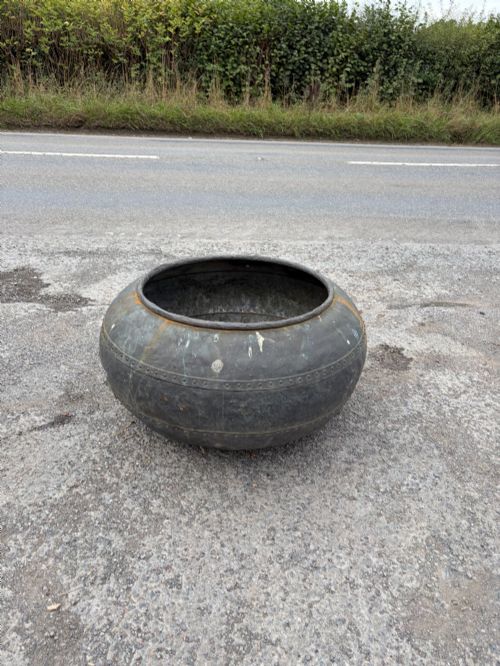
A vintage garden basket encompasses practical utilitarian vessels and robust containers originating from the nineteenth century through to the mid twentieth century. Buyers seeking a vintage garden basket will encounter heavy copper pots, iron-bound trugs, elm harvest baskets and galvanised metal log bins.
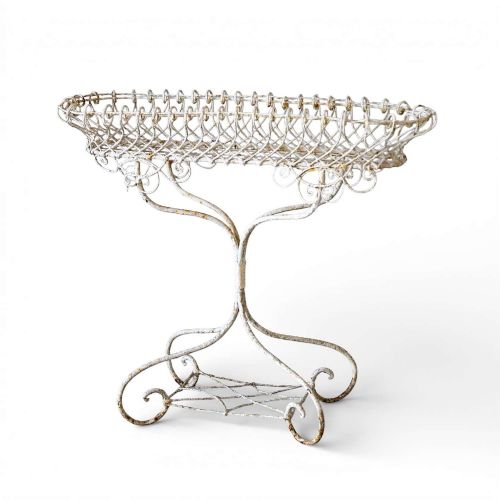
Forms include log bins, planters, troughs, buckets and plant stands with scrollwork and lattice basket tops. These items bridge domestic utility and garden decoration, serving as substantial planters or storage vessels.
Assessment of Quality
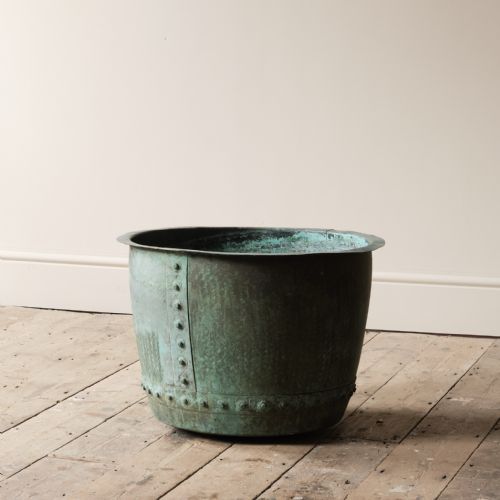
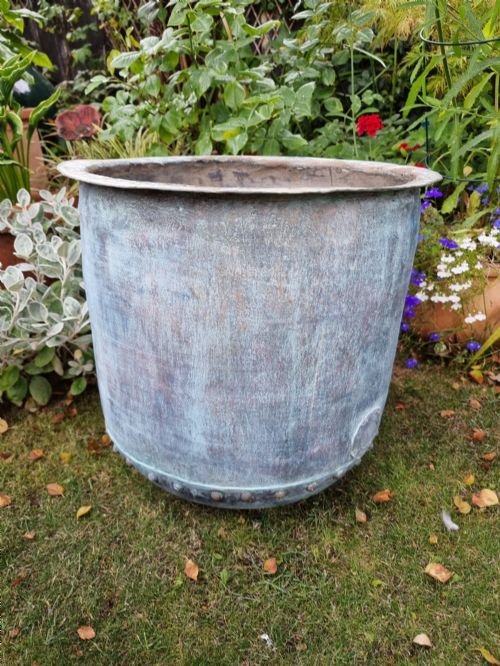
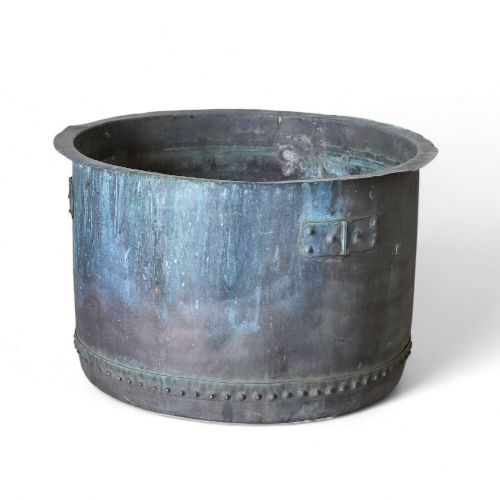
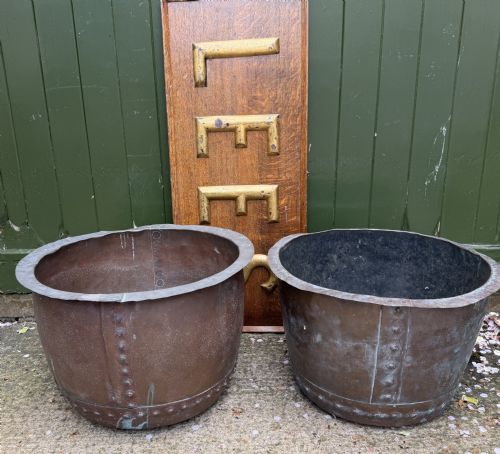
Quality rests upon the integrity of the original construction, the thickness and weight of the metal or timber, and the character of the surface wear. Hand-riveted copper vessels with robust wrought iron handles command attention for their substantial heft and structural durability.
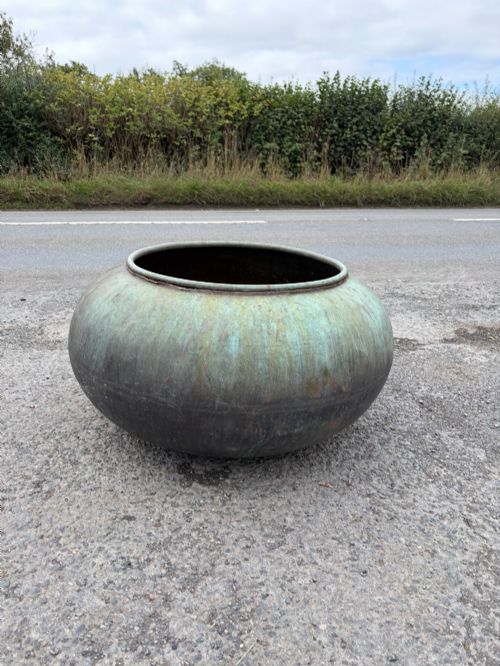
The distinction between ordinary utility items and superior examples lies in the depth of natural patina, the preservation of verdigris, and the harmony of proportion. Pieces retaining honest signs of prolonged service without compromising structural soundness represent the pinnacle of the range.
One unexpected item is a large stone garden statue of a cherub standing proudly among the metal pots and wooden trugs.
The Vintage Garden Basket Glossary
- Trug
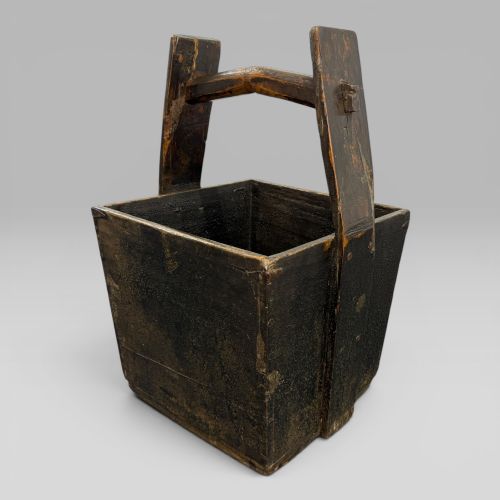
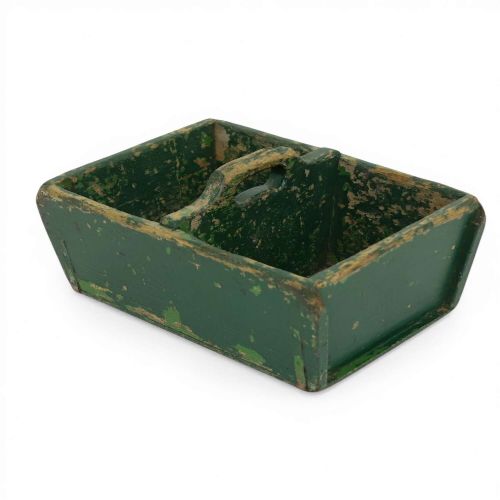
- A shallow horticultural basket traditionally used for gathering fruit, vegetables or flowers. Examples appear in wood with iron-bound banding or oak construction.
- Verdigris
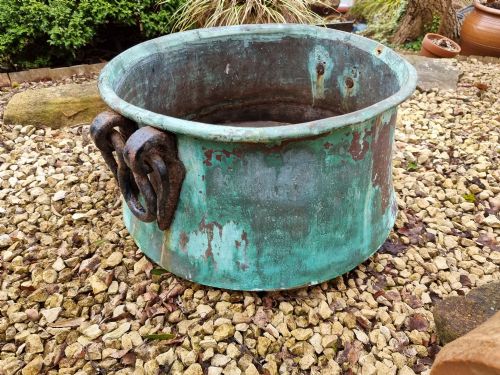
- A green patina formed naturally on copper, brass or bronze through atmospheric weathering and oxidation. This surface layer indicates considerable age and exposure to the elements.
- Cauldron
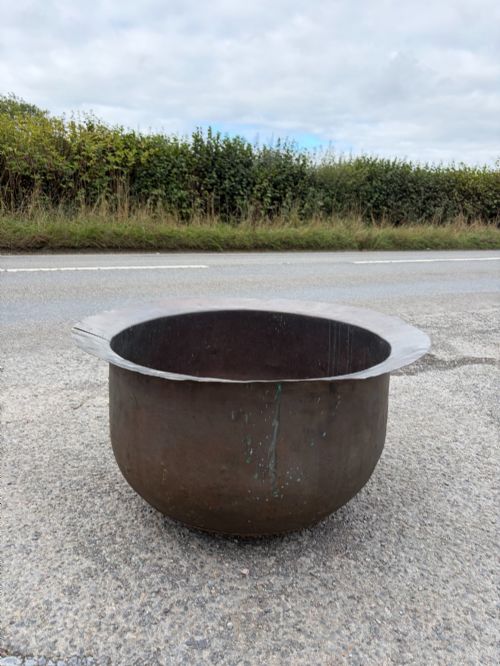
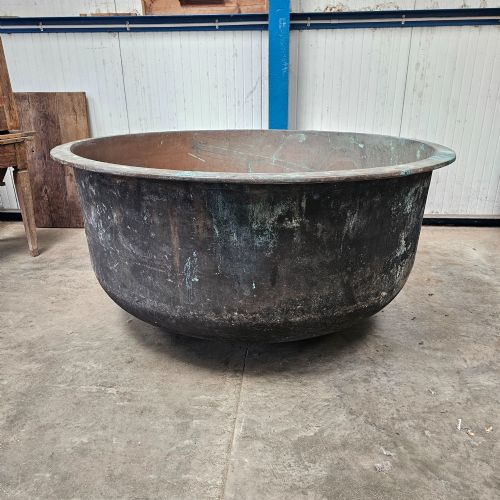
- A large metal pot with a swing handle, originally utilised for boiling or heating. In a garden context, these heavy vessels serve as substantial planters.
- Log Bin
- A deep container designed for storing firewood, frequently repurposed as a large garden planter or tub. These are constructed from heavy copper or galvanised metal.
- Patina
- The surface appearance altered by age, wear, handling and weathering. A rich natural patina is highly valued on nineteenth-century copper and iron pieces.
Vintage Garden Basket: Frequently Asked Questions
How do I clean a copper garden planter?
Wash the surface gently with warm soapy water and a soft cloth to remove dirt while preserving the aged verdigris and natural patina.
Avoid abrasive scourers or harsh chemical polishes that strip away the historical surface character desired by collectors.
Can these metal vessels stay outside all winter?
Copper, iron and galvanised metal withstand outdoor elements robustly, though standing water freezing inside containers can occasionally strain seams.
Ensure adequate drainage holes are present or tip vessels during severe frost to protect the historical structure.
What is the difference between a trrug and a log bin?
A trug is a shallow, portable carry basket designed for gathering garden produce, featuring a light wooden frame and handle.
A log bin is a deep, heavy container intended for bulk storage, usually formed from thick riveted copper or galvanised metal.
How do I date a nineteenth-century copper pot?
Examine the construction methods, specifically looking for hand-beaten panels and hand-riveted seams rather than modern machine welding.
Heavier weight, forged iron swing handles and natural verdigris accumulation typically point towards nineteenth-century manufacture.
Are wooden harvest baskets still usable?
Elm and oak harvest baskets retain sturdy construction if the timber has been kept dry and free from severe rot.
Utilise them for light indoor storage or decorative display rather than heavy outdoor hauling to preserve their antique integrity.