




Vintage Game Counters
These vintage game counters are charming parlor accessories and gaming pieces from the Victorian and Edwardian eras, designed to elevate traditional indoor pastimes.
Vintage Game Counters
When you search for vintage game counters, you encounter a variety of antique gaming pieces and accessories designed for traditional parlor pastimes. These items span the nineteenth century and the early twentieth century, reflecting the popularity of domestic entertainment during those periods. The selection includes whist counters, cribbage boards, boxwood and ebony draughts sets, and backgammon pieces housed in original boxes.
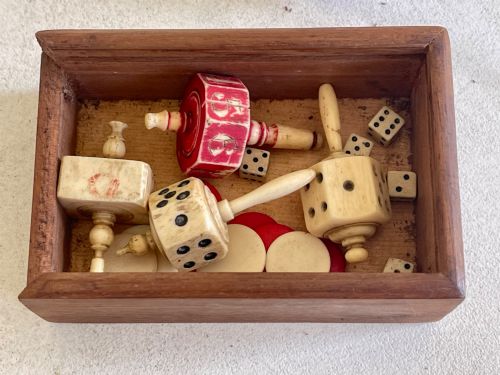
You are most likely to meet bone, wood, and porcelain pieces housed in fitted containers or boxes. Many examples originate from the Victorian and Edwardian eras, encompassing styles such as Black Forest carving and Art Deco. These pieces served practical functions in households for keeping score and managing wagers during card and board games.
How they were made
Makers utilised traditional materials such as bone, mahogany, boxwood, ebony, and shagreen to construct both the counters and their protective boxes. Bone was skillfully carved for items like prisoner of war teetotums, while hardwoods were turned and polished for draughts sets and cribbage boards.
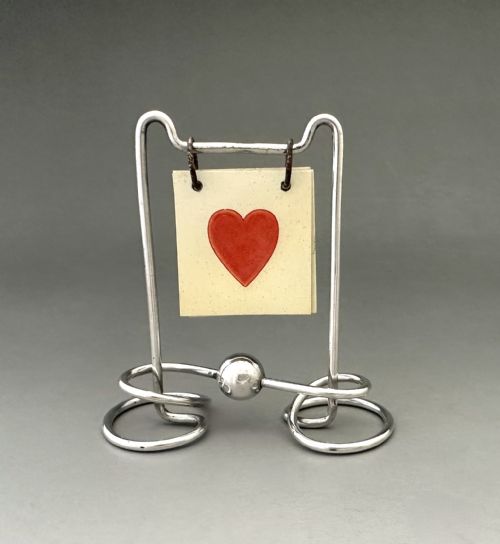
Surface decoration involved careful hand-carving, as seen in Black Forest game box sets, alongside fitted leather boxes and silver plating for items such as Trump markers and cribbage boxes.
Vintage Game Counters Retail Price Guide 2026
Typical asking prices for vintage game counters among the pieces listed under this phrase on Sellingantiques today, from the lower quarter to the upper quarter. They describe what is for sale here now, not the wider market.
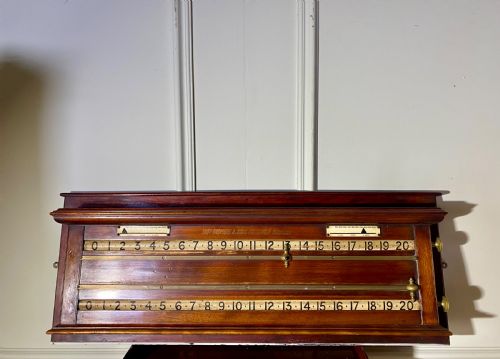
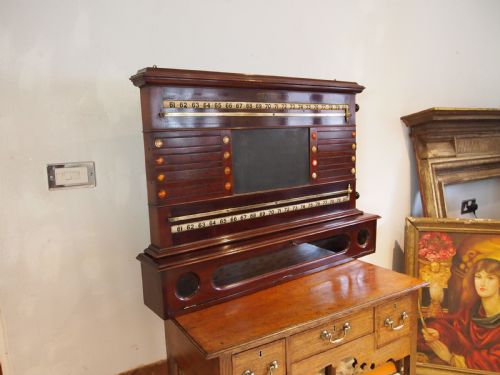
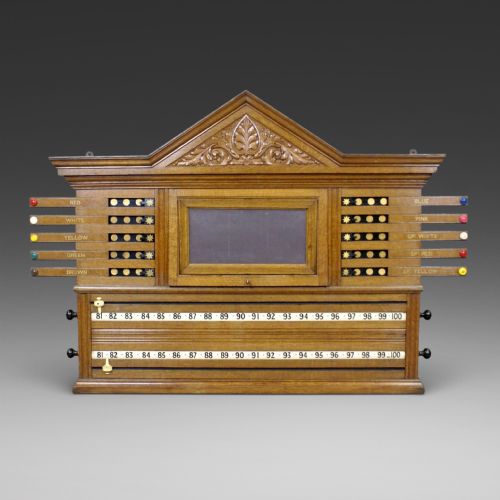
Object forms span card game accessories, snooker scoreboards, and decorative boxes originating from British makers in London and Manchester.
What varies in quality
The degree of hand-carving detail and the choice of materials distinguish finer examples from standard items. Pieces fashioned from materials like shagreen or intricately carved stag horn demonstrate a higher level of craftsmanship than plain wooden counterparts.
The presence of original fitted boxes or leather cases influences the completeness and presentation of the gaming set. Condition and the preservation of original pigments or metal finishes also play a part in establishing the caliber of each piece.
Orme and Sons Manchester·Cox and Yeman London
The Vintage Game Counters Glossary
- Teetotums
- A small spinning top used in games of chance, often carved from bone by prisoners of war during the nineteenth century.
- Cribbage board
- A board with tracks of holes used to score the card game cribbage, frequently made from wood, bone, or horn.
- Whist counters
- Small markers, often porcelain or bone, utilised to keep score during traditional card games.
- Shagreen
- Undressed sharkskin or ray skin utilised to cover luxury boxes and gaming counter cases during the early twentieth century.
Vintage Game Counters: Frequently Asked Questions
What are vintage game counters?
These pieces are traditional parlor accessories and scoring markers used in nineteenth and early twentieth-century domestic games.
They encompass items such as whist counters, cribbage boards, and backgammon pieces, often housed in fitted wooden or leather boxes.
How were cribbage boards used?
Cribbage boards served to track scores during card games by utilising pegs moved along drilled holes.
Players advanced their pegs along the board according to the points scored in each hand of the game.
How do I identify Victorian pieces?
Victorian game counters often feature specific materials like bone, mahogany, and porcelain associated with nineteenth-century manufacturing.
Stylistic cues such as ornate carving, Black Forest designs, and original leather housing also point toward this period.
How should I display gaming boxes?
Gaming boxes and scoreboards suit placement on sideboards, desks, or within dedicated games rooms as decorative items.
Keeping them away from direct sunlight protects vulnerable materials like paper, shagreen, and polished wood from fading.