




Vintage Fuel Bucket
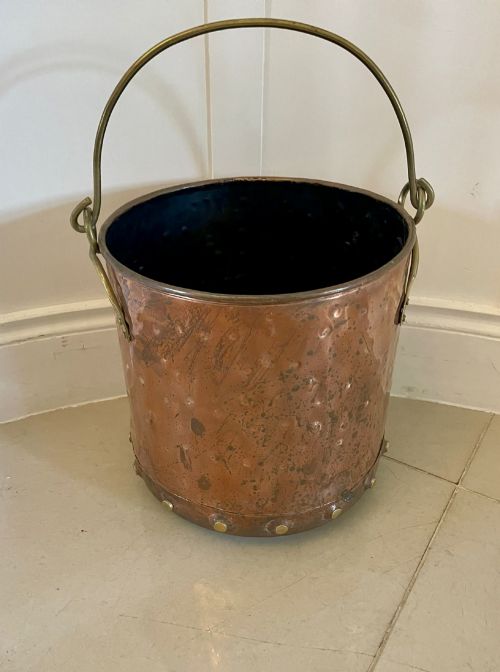
A vintage fuel bucket brings sturdy hearth utility into a room, fashioned from heavy copper, brass, and oak to store coal, logs, or peat.
Vintage Fuel Bucket
A vintage fuel bucket serves as a hearth accessory designed for holding coal, logs, peat, or kindling beside an open fireplace. Buyers searching this phrase encounter vessels spanning the Georgian period, Victorian era, and Edwardian years, alongside pieces from around nineteen hundred.
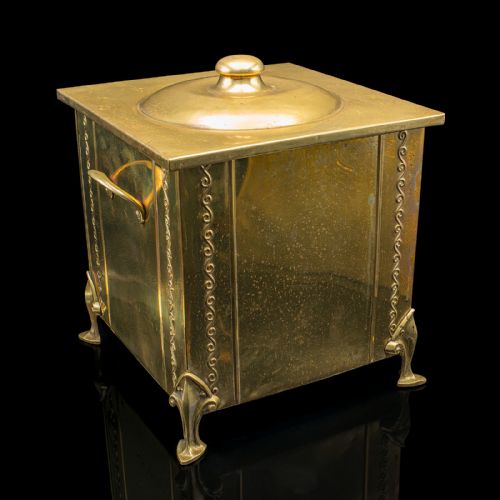
Forms on this page include traditional coal scuttles, helmet scuttles, purdoniums, lidded log bins, coopered peat buckets, grain measures, and garden well buckets repurposed as fuel stores. Materials range from hammered brass and heavy copper to wrought iron, oak, walnut, mahogany, and ebonised wood.
The aesthetic vocabulary covers Victorian country designs, Arts and Crafts workmanship, and Art Nouveau styling. These objects combine practical fireside utility with metalwork craftsmanship that anchors a room's fireplace arrangement.
Materials and construction
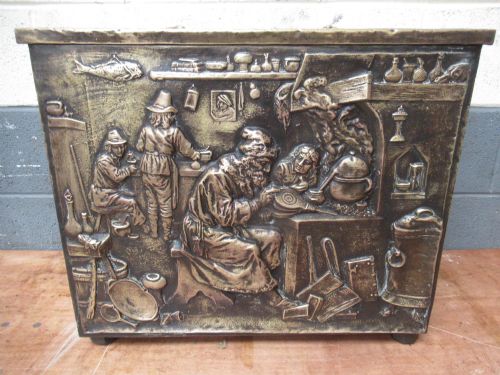
Construction relies heavily on sheet metals like copper and brass, frequently joined by hand-hammered rivets and reinforced with wrought iron handles or fittings. Metal bodies are often hand-embossed or polished to create textured surfaces that catch the firelight.
Wooden examples utilise coopered staves of oak, mahogany, or walnut, bound with metal hoops to hold dry fuel securely without warping. Ebonised wood and turned elements appear in period handles, trims, and decorative feet.
Listings feature fuel buckets fashioned from copper, brass, wrought iron, oak, walnut, and mahogany across Victorian, Edwardian, and Georgian eras.
Assessing quality and build
Quality reveals itself in the thickness of the metal gauge, the robustness of riveted joints, and the integrity of handles and mounts. Thicker copper and brass resist denting and maintain their structural shape under the weight of heavy coal or logs.
Maker attribution elevates a piece, as seen in signed examples from workshops like Benham and Froud. Finer detailing, such as crisp embossing, hand-coopered wooden staves, and balanced proportions, distinguishes standard utility items from superior examples.
Benham and Froud
The Vintage Fuel Bucket Glossary
- Purdonium
- A box or cabinet specifically designed to hold coal beside a fireplace, often featuring a sloping front or drop-down lid. It keeps fuel contained and tidy while complementing hearth furnishings.
- Helmet scuttle
- A traditional coal container shaped like a classical helmet with a wide mouth and a raised handle for pouring. This form allows fuel to be tipped directly into the grate.
- Coopered
- A method of construction where tapered wooden staves are bound together with metal hoops, traditionally used for watertight vessels like buckets and tubs. Peat and log buckets frequently employ this technique.
- Grain measure
- A cylindrical or slightly tapered metal vessel originally utilised for measuring dry goods like grain. These sturdy containers were often repurposed as fireside fuel buckets due to their heavy copper walls and strong handles.
Vintage Fuel Bucket: Frequently Asked Questions
What is a coal purdonium?
A coal purdonium is a specialised fireside box or cabinet designed to store coal out of sight next to the fireplace. They typically feature a hinged lid or drop-down front for easy access.
Unlike an open bucket, a purdonium conceals the fuel completely and often includes an internal metal liner to catch dust and small debris.
How do I clean copper fuel buckets?
Cleaning copper requires gentle polishing to remove tarnish while preserving the character accumulated over decades of use. Avoid abrasive scouring pads that scratch the metal surface.
A mild cream cleaner formulated for copper will restore the warm glow without stripping the aged patina that collectors value.
Can I use an antique bucket for logs?
Antique buckets made from heavy copper, brass, or thick oak staves are fully robust enough to hold logs and kindling beside an active hearth. Their original purpose was the daily transport and storage of solid fuel.
Ensure the interior is brushed clean of old coal dust before loading dry logs to prevent staining nearby carpets or hearth rugs.
How do I date a brass coal bucket?
Dating relies on examining the construction methods, such as hand-hammered rivets, dovetailing, and the specific style of decoration. Victorian pieces often display embossed floral or geometric motifs, while Arts and Crafts examples favour simpler, hand-beaten metalwork.
Maker marks stamped onto the base or handles can also provide a reliable point of reference for manufacturing periods.