




Vintage Fruitwood Chairs
Vintage fruitwood chairs bring honest timber warmth and vernacular style to a room, offering tactile grain and enduring country character.
Vintage Fruitwood Chairs
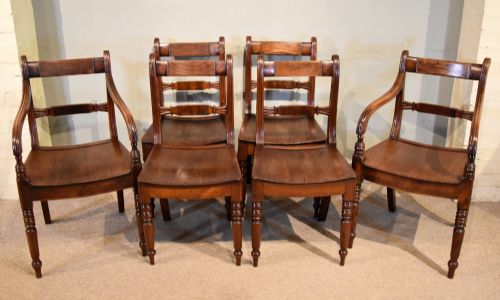
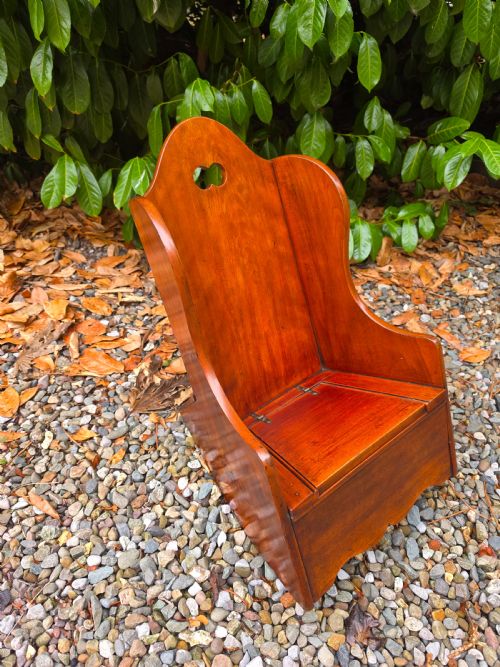
When you search for vintage fruitwood chairs, you encounter a diverse range of seating spanning dining sets, robust armchairs, and diminutive child's rockers. The selection draws heavily on 18th century, Georgian, and 19th century periods, showcasing traditional craftsmanship from both English and French regional workshops.
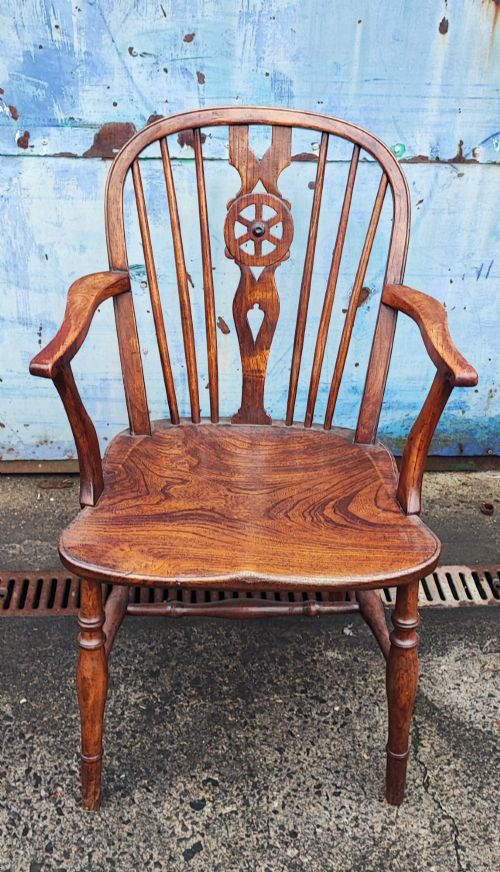
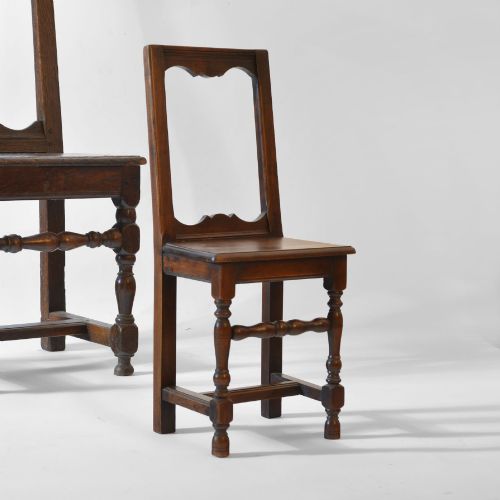
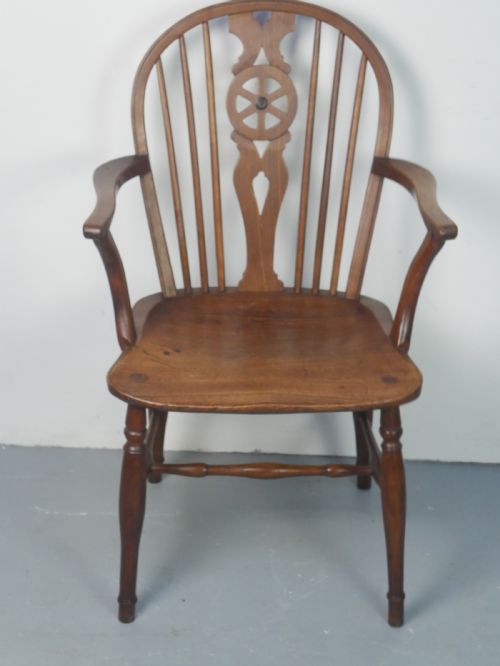
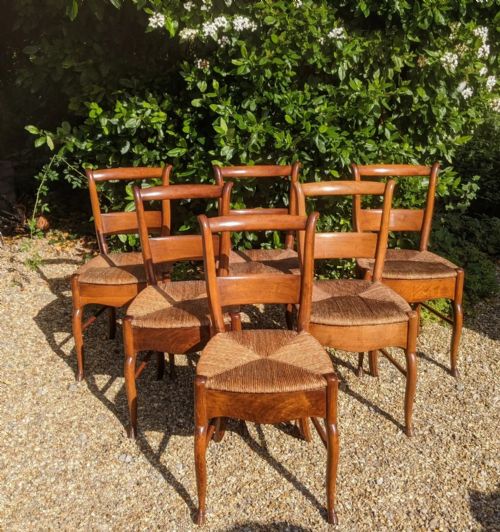
You meet various specific forms in this category, including Windsor armchairs, spindle back carvers, sgabello hall chairs, and sets of dining chairs. Many pieces combine fruitwood with elm, beech, or rush, reflecting the practical domestic requirements of their original rural and provincial settings.
The stylistic influences range from English country and Regency country to French provincial and Arts and Crafts. Whether you need a single statement armchair or a matching set for the dining table, these chairs offer solid construction and natural patination.
How they were made
The makers of these chairs relied on solid timber construction, turning to fruitwood alongside complementary woods like elm and beech for structural strength. Frames frequently incorporate traditional joinery, steam-bent components for Windsor arms, and turned spindle backs.
Seating areas often utilise woven rush or incorporated leather, textile, and silk upholstery to provide comfort. Details such as hoof feet, carved splats, and bleached surfaces highlight the varied regional techniques employed by country and provincial artisans.
Vintage Fruitwood Chairs Retail Price Guide 2026
Typical asking prices for vintage fruitwood chairs among the pieces listed under this phrase on Sellingantiques today, from the lower quarter to the upper quarter. They describe what is for sale here now, not the wider market.
The object forms recorded include armchairs, dining chairs, childs chairs, rocking chairs, hall chairs, and side chairs in various regional styles.
What varies in quality
The distinction between ordinary and exceptional examples rests upon timber selection, surface patination, and structural integrity. Fruitwood exhibits varied grain patterns, and pieces retaining a rich, untouched natural finish command greater appreciation than those with heavy modern intervention.
Design sophistication also sets examples apart, moving from utilitarian vernacular forms to more refined Georgian or Louis XV provincial interpretations. The survival of matching sets, original rush seating, and untouched upholstery details further determines the standing of an individual piece.
The Vintage Fruitwood Chairs Glossary
- Fruitwood
- Timber derived from fruit-bearing trees such as pear, apple, or cherry, prized for its warm tone and smooth grain. It was widely used by regional cabinetmakers for country furniture.
- Windsor
- A traditional chair construction where legs and back spindles are pegged directly into a solid sculpted seat. This method creates a sturdy, enduring form associated with farmhouse seating.
- Sgabello
- A light, portable wooden chair originating in the Italian Renaissance, featuring a high back and solid trestle supports instead of conventional legs. They often served as decorative hall chairs.
- Spindle back
- A chair back constructed with a series of slender, turned wooden rods or spindles. This design provides lightweight support while maintaining visual openness.
- Rush
- Dried marsh grass twisted into cords and woven tightly to form traditional chair seats. It offers a resilient, flexible surface that complements rustic wooden frames.
Vintage Fruitwood Chairs: Frequently Asked Questions
What rooms suit vintage fruitwood chairs?
These chairs fit naturally into dining rooms, kitchens, studies, and bedrooms where organic timber textures add warmth. Their varied vernacular styles complement both traditional rustic interiors and modern spaces needing character.
Single armchairs or child's rockers work well as standalone accent pieces in corners or hallways. Dining sets integrate smoothly around timber tables to create a welcoming, lived-in atmosphere.
How do I care for fruitwood furniture?
Protect fruitwood surfaces by keeping them away from direct sunlight and excessive heat sources that can dry out the timber. Regular dusting with a soft, dry cloth maintains the natural lustre without harming the finish.
Apply a quality beeswax occasionally to nourish the wood and preserve its patination. Avoid harsh chemical cleaners and excessive moisture, particularly on rush or upholstered elements.
Are these chairs comfortable for daily use?
Many of these chairs were designed for practical everyday seating, offering supportive wooden backs and solid construction. Windsor armchairs and upholstered models provide comfortable seating for dining or relaxation.
Consider adding loose cushions if you prefer extra softness on wooden or rush seats. Side chairs and hall chairs are generally better suited for occasional seating or decorative placement.