

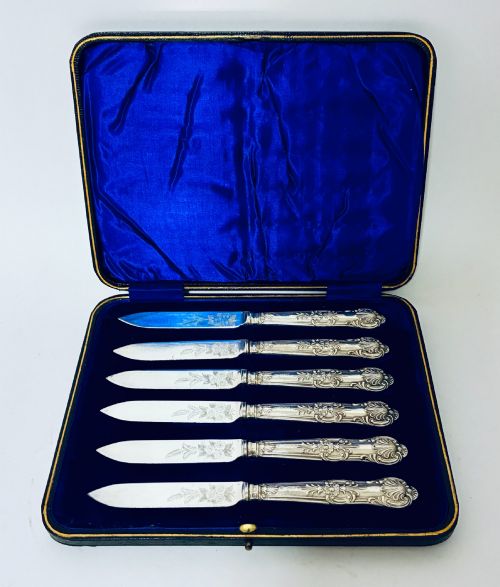


Vintage Fruit Knives
These vintage fruit knives are finely wrought pocket and table pieces in silver, mother of pearl and steel, prized for their delicate craftsmanship.
Vintage Fruit Knives
Vintage fruit knives span the Victorian, Edwardian and early 20th century periods, encompassing individual pocket designs and matched dining sets. When you search for vintage fruit knives, you encounter pieces designed specifically to slice acidic fruits without tarnishing the blade.
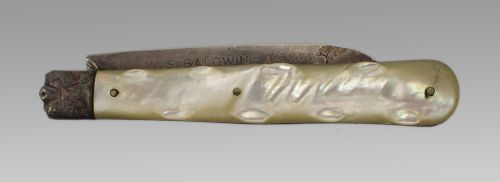
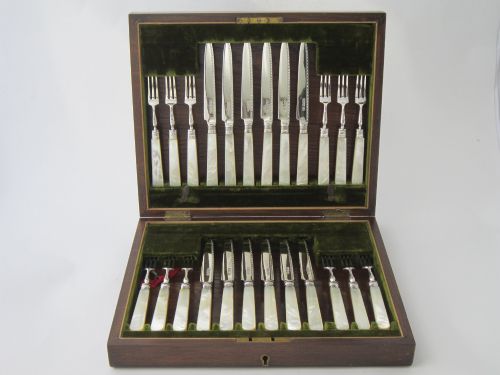
The selections on this page include single folding pocket knives alongside cased sets of six. Materials range from mother of pearl and silver to agate and gold, often accompanied by velvet lined presentation boxes.
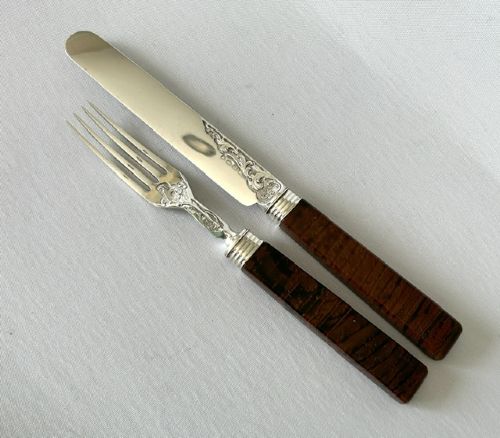
Formats vary from single cast silver blades to folding pocket instruments inscribed with names or Masonic symbols. They serve as both practical tableware and portable accessories from the 19th and early 20th centuries.
How they were made
Manufacturers combined sterling silver, gold and steel blades with handles carved from mother of pearl or polished agate. Metals were cast or forged into slim profiles suited to cutting soft produce.
Handles utilised natural materials secured with tiny pins, paired with silver gilt work or engraved decoration. Presentation sets were housed in fitted wooden canteens lined with velvet.
Vintage Fruit Knives Retail Price Guide 2026
Typical asking prices for vintage fruit knives among the pieces listed under this phrase on Sellingantiques today, from the lower quarter to the upper quarter. They describe what is for sale here now, not the wider market.
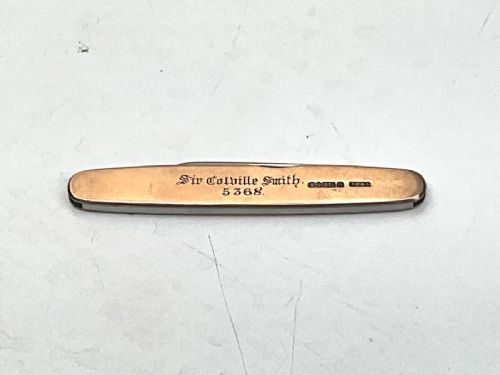
One exceptional pocket knife commemorates Sir Colville Smith alongside a Masonic lodge number.
What varies in quality
Distinction lies in the purity of the metal and the intricacy of the handle carving. Solid silver and gold components sit at the upper end of the scale alongside richly figured mother of pearl.
Cased sets featuring matched handles display a higher degree of initial craftsmanship than single assembled pieces. Engraving depth and the preservation of the original presentation case also dictate the standing of an item.
Sir Colville Smith
The Vintage Fruit Knives Glossary
- Mother of Pearl
- The iridescent inner layer of oyster shell used for knife handles. It offers a luminous, smooth grip.
- Silver Gilt
- Silver that has been coated with a thin layer of gold. This technique provides a rich yellow sheen.
- Agate
- A fine-grained quartz mineral polished into decorative handle panels. It introduces natural banded colour.
- Canteen
- A fitted wooden box or case designed to store a set of cutlery securely. These often feature velvet interiors.
- Sterling Silver
- An alloy consisting of pure silver and other metals for durability. It is standard for quality British tableware.
Vintage Fruit Knives: Frequently Asked Questions
What are vintage fruit knives used for?
These pieces were originally designed for slicing fruit at the dining table, preventing the acidic juices from reacting with plain steel blades. They combine decorative handles with slender profiles intended for delicate dining tasks.
Today, they are collected as fine examples of period metalwork and table craft. Many people use them for formal dessert courses or display them within fitted wooden canteens.
How do I date a fruit knife?
Dating relies upon hallmarks stamped on the metal components, stylistic markers of the Victorian or Edwardian eras, and the materials used. Specific periods like George V or the late 19th century carry distinct design traits.
Examining the construction of the handle and the shape of the blade also helps narrow down the decade of manufacture. Cased sets often retain interior paper labels or stamps that clarify their origins.
How should I store a cased set?
Cased sets are best kept in their original wooden canteens away from direct sunlight and excessive moisture. The fitted velvet linings protect the individual pieces from friction and movement.
Regular handling helps natural mother of pearl maintain its lustre. Avoid harsh chemical cleaners that might damage the delicate organic handle materials.