


Vintage Fringed Shade Light
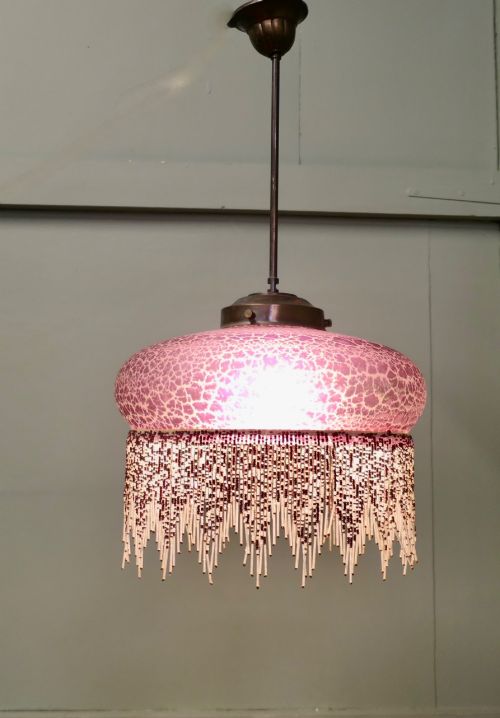
A vintage fringed shade light brings soft, textural illumination and period character into a room.
Vintage Fringed Shade Light
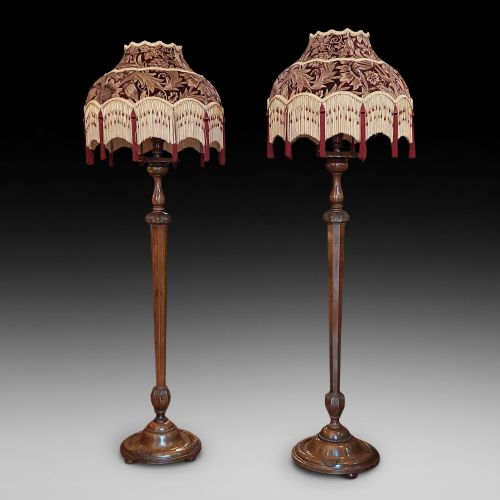
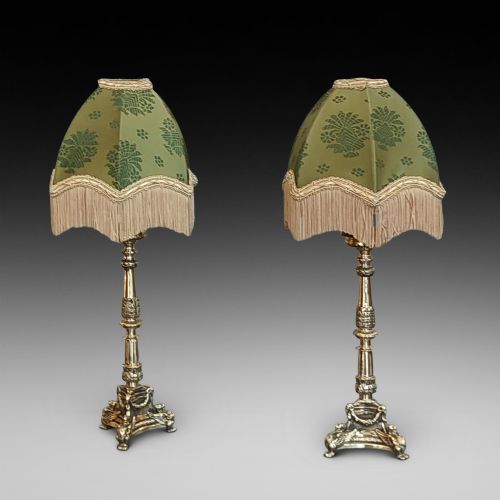
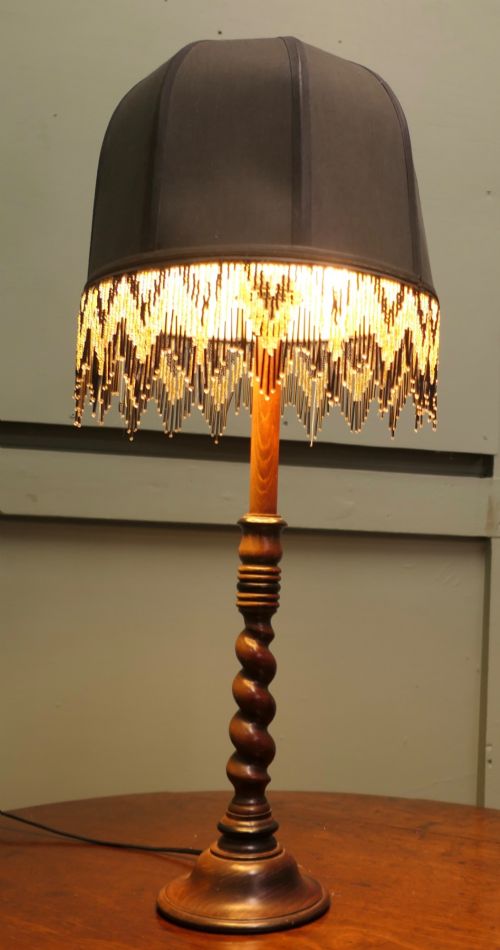
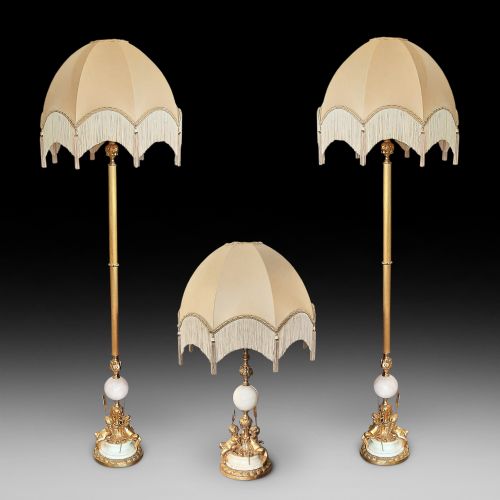
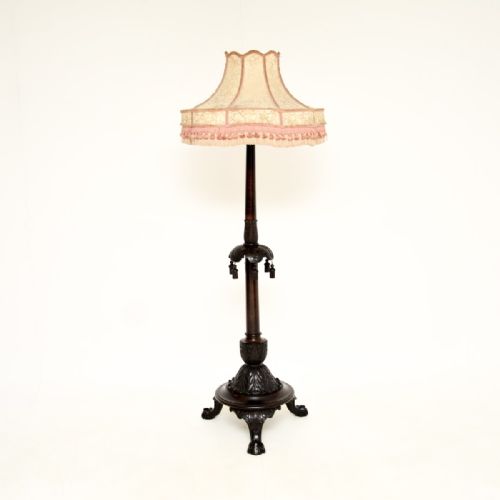
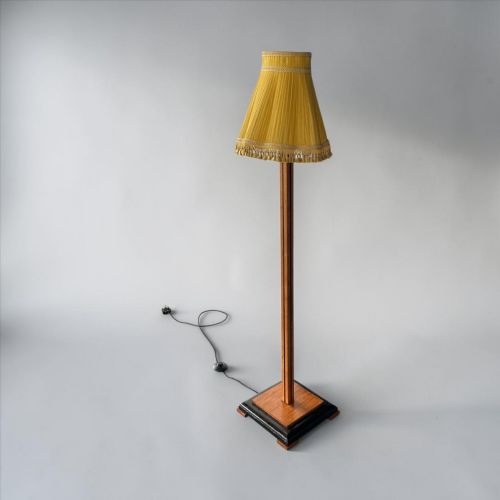
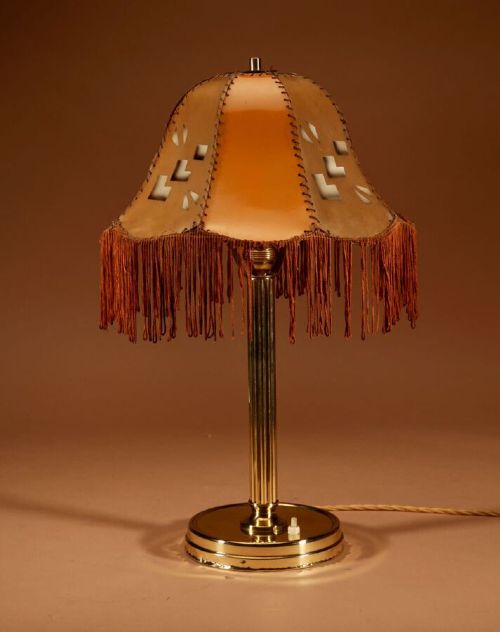
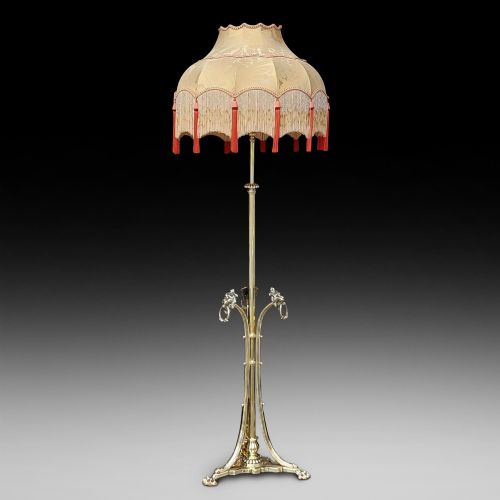
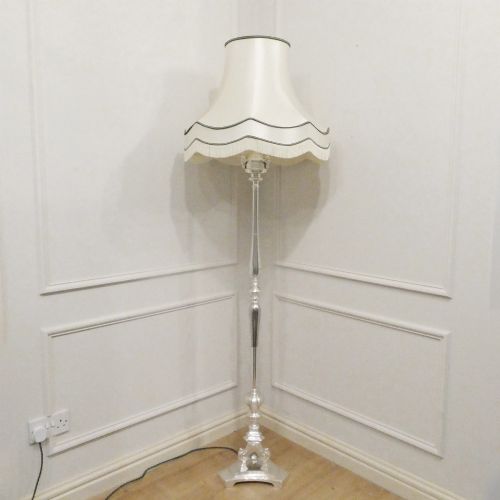
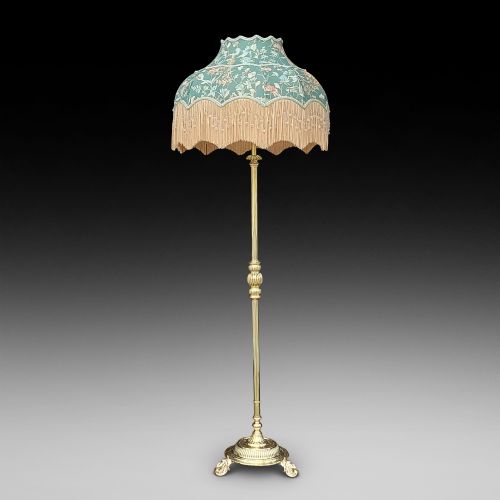
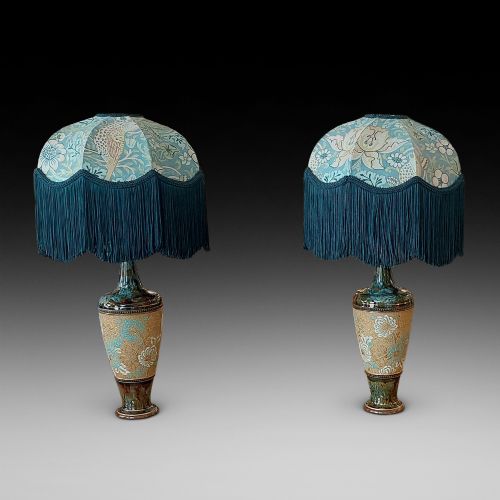
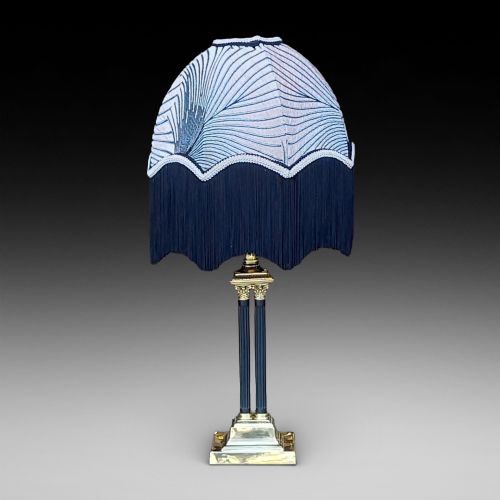
A vintage fringed shade light gathers standard lamps, table lamps, floor lamps, and desk lamps spanning from the Victorian and Edwardian eras into the early twentieth century. These pieces combine functional illumination with decorative textile elements, frequently pairing fabric and silk shades with ornate bases.
Most examples found here date from the late nineteenth century through the nineteen-thirties, reflecting stylistic shifts from Rococo Revival and Neoclassical manners to Art Nouveau and Art Deco. Standard lamps and table lamps dominate the selection, often utilising adjustable mechanisms or telescopic columns.
Materials and construction
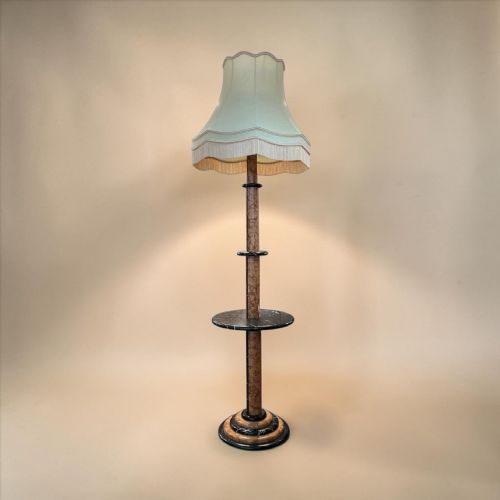
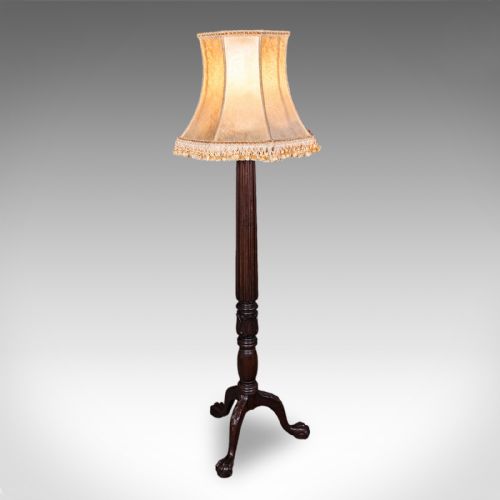
Makers utilised cast and polished brass, solid marble, onyx, carved mahogany, and giltwood to construct durable structural columns and heavy bases for floor and table lights. Metalwork often involved heavy casting, brass work, and bronze statuary, sometimes incorporating intricate Corinthian or Doric columns.
Shades incorporated delicate fabric, silk, fringe, and beaded details supported by gilt toleware or wire frames, diffusing light softly across the room. Converted oil lamps and candlesticks demonstrate a common historical practice of adapting older lighting technology for electricity.
Vintage Fringed Shade Light Retail Price Guide 2026
Typical asking prices for vintage fringed shade light among the pieces listed under this phrase on Sellingantiques today, from the lower quarter to the upper quarter. They describe what is for sale here now, not the wider market.
Some Victorian brass standards double as vigilant creatures, featuring eagles and serpents keeping watch over the parlor.
Assessing quality
Quality rests in the weight of the materials and the crispness of the casting or carving, seen in heavy brass columns and finely detailed carved mahogany or giltwood. Superior pieces maintain structural stability in telescopic or adjustable mechanisms without loose joints.
Artisanal execution distinguishes finer items, evident in the intricate floral openwork on brass bases, precise hand-carved wooden details, and the integrity of paired elements like marble urn lamps or alabaster mounts.
Hinks of B'ham
The Vintage Fringed Shade Light Glossary
- Standard lamp
- A tall floor-standing lamp designed to illuminate a room from a vertical column.
- Corinthian column
- A classical architectural column style featuring ornate acanthus leaves on the capital, frequently cast in brass for lamp standards.
- Toleware
- Painted or lacquered metalware utilised in decorative lamp components and shade mounts.
- Giltwood
- Timber treated with gold leaf or gold paint to create a decorative metallic finish on lamp bases.
- Onyx
- A banded variety of chalcedony used for smooth, decorative lamp columns and bases.
Vintage Fringed Shade Light: Frequently Asked Questions
What periods do these lamps come from?
The lighting options span from the Victorian and Edwardian periods through the nineteen-twenties and nineteen-thirties, encompassing nineteenth-century revivals.
Craftsmanship from these eras relies on traditional materials such as brass, carved mahogany, and marble.
How were these lamps originally powered?
Many early pieces began as oil lamps or candlesticks before undergoing conversion to electric lighting as domestic power became common.
Adjustable stems and telescopic columns allowed users to alter the height for reading or ambient illumination.
Where should I place a standard lamp?
Floor-standing standard lamps suit corners of living spaces or beside armchairs where they provide downward task and ambient light.
Table lamps function effectively on sideboards, desks, and marble tables to add localized illumination.
How do I identify an Edwardian standard lamp?
Edwardian pieces often display Neoclassical influences, slender columns, or specific forms like steamer lamps and lacquered finishes.
They bridge the heavy ornament of the Victorian era and the geometric lines of Art Deco.