




Vintage French Textile
These vintage french textile pieces bring historic weaving and needlework into interiors, prized for their rich texture and narrative depth.
Vintage French Textile
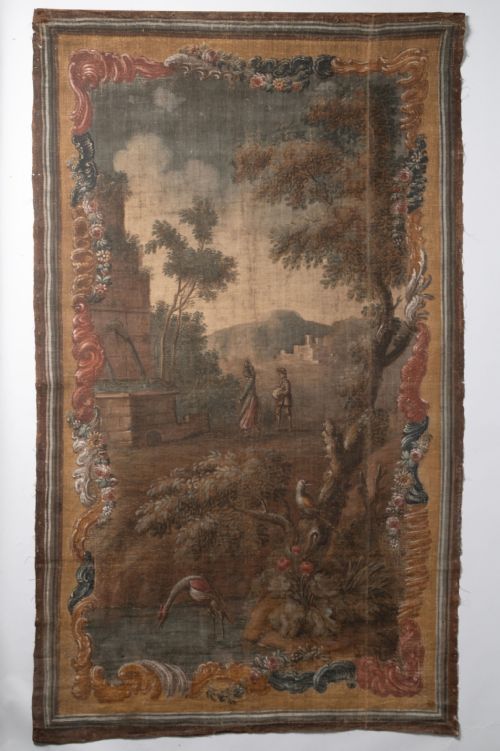
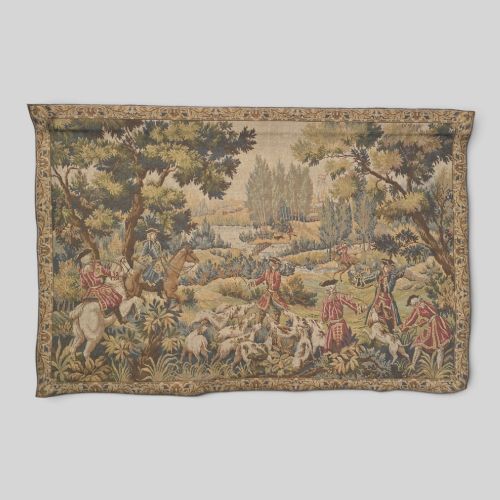
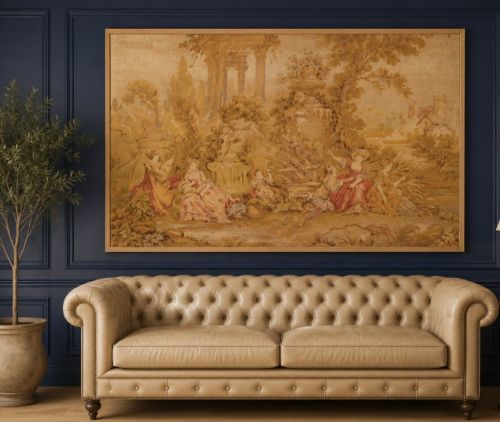
A vintage french textile encompasses woven wall hangings, framed tapestry panels, and delicate lace work originating from various historical periods. Buyers pursuing a vintage french textile typically encounter large verdure scenes, Aubusson works, and framed needlework panels.
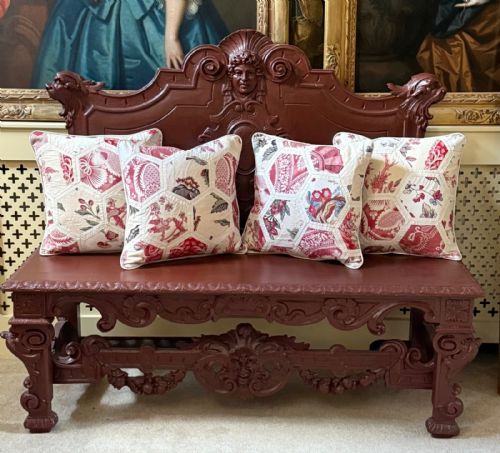
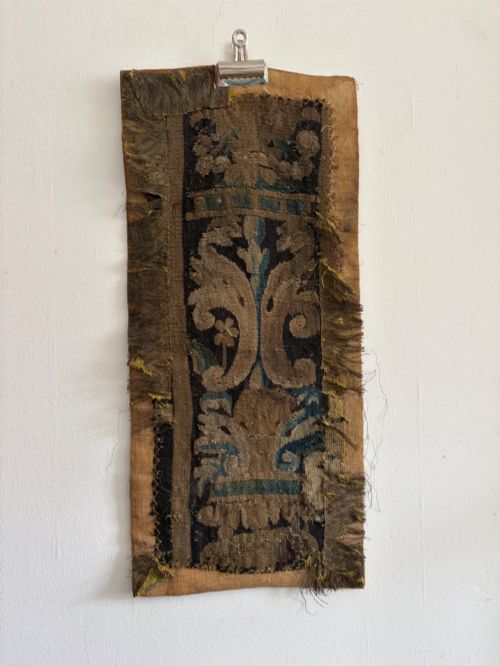
The selections range from seventeenth-century tapestry fragments mounted to linen up to mid-twentieth-century wall hangings. Common forms include cushion covers, lace makers pillow holders, and toile de jouy fragments.
Originating across different centuries, these pieces display distinct regional aesthetics from chateau workshops to rural French country settings. Wall art and tapestries dominate the available selections on this page.
What varies in the quality of vintage french textile pieces
The distinction between tiers rests upon the fineness of the weave, the complexity of the pictorial design, and the survival of the original material. Finer examples display intricate verdure foliage and sophisticated figure work.
Condition and mounting methods also dictate quality, particularly where older fragments meet supportive linen backings or secure frames. Pieces retaining rich, unaltered natural dyes stand apart from heavily restored items.
Vintage French Textile Retail Price Guide 2026
Typical asking prices for vintage french textile among the pieces listed under this phrase on Sellingantiques today, from the lower quarter to the upper quarter. They describe what is for sale here now, not the wider market.
The documented styles range from French Baroque and Rococo to French Folk Art and French Country.
The Vintage French Textile Glossary
- Aubusson tapestry
- A woven wall hanging produced in the town of Aubusson, known for verdure designs and pastoral scenes. These works typically feature wool and silk threads.
- Verdure
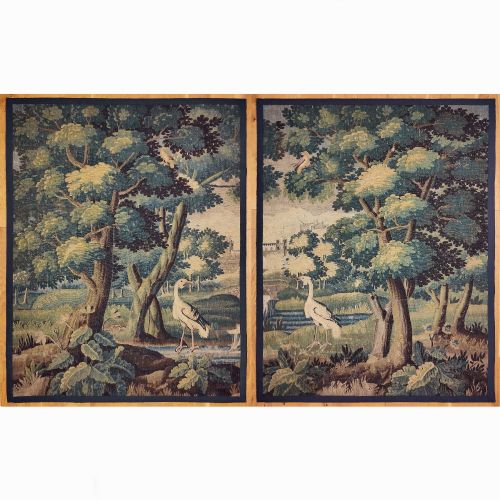
- A type of tapestry featuring a stylized landscape filled with trees, foliage, and plants. Animals and distant chateaus frequently populate the background.
- Toile de jouy
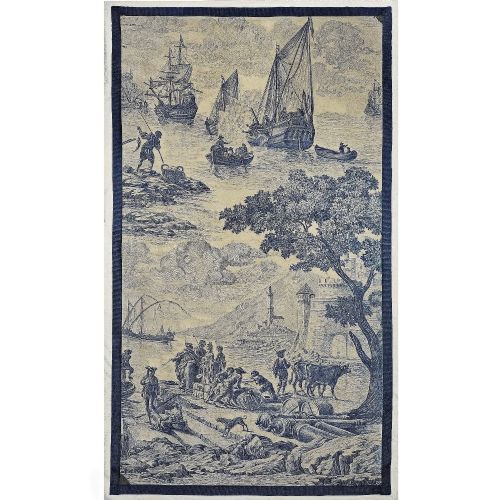
- A cotton or linen fabric printed with repetitive pastoral or historical vignettes in a single colour. Eighteenth-century examples often depict allegorical or patriotic themes.
- Needlework
- Hand-stitched textile art created using yarn or thread upon a canvas or linen ground. This technique allows for high pictorial detail without a loom.
Vintage French Textile: Frequently Asked Questions
How do I clean a vintage french textile?
Textiles from earlier centuries require delicate handling and professional conservation rather than standard washing. Surface dust should be removed gently using low suction through a mesh screen.
Water and chemical solvents can damage fragile silk, wool, and linen fibres. Consult a textile conservator before attempting any wet cleaning.
How do I hang a heavy tapestry?
Large tapestries and framed panels need secure wall fixings distributed evenly across the weight of the piece. Using a concealed wooden batten or heavy-duty d-rings prevents distortion of the fabric.
Avoid hanging textiles in direct sunlight or damp rooms to protect the natural fibres. Proper support keeps the textile flat and prevents sagging over time.
What is an Aubusson tapestry?
Aubusson tapestries are woven wall hangings originating from the French town of Aubusson, famous since the seventeenth century. They often depict wooded landscapes, known as verdure, or classical figures.
These pieces were woven on horizontal looms using wool and silk. Collectors prize them for their artistic depth and historical association with French interior decoration.
How do I date an antique textile?
Dating relies on examining the materials, weave structure, dye types, and stylistic motifs present in the piece. Eighteenth-century works often feature hand-spun wool and silk, while later nineteenth-century items introduce different manufacturing traits.
Comparing the subject matter to documented historical art helps narrow the period. Fragmentary pieces mounted on linen often bear the characteristics of their original century of production.